
Table of Contents
- Quick Verdict
- Two Paddles Wearing One Name
- How We Evaluate Paddles
- RPM Q2 Specs: All Four Models
- What Is Actually Inside the Q2
- How the Q2 Widebody Plays
- How the Q2 Elongated Differs
- 14mm vs 16mm: Which Core?
- Certification: A Real Advantage
- Q2 vs RPM Friction Pro V2
- Q2 vs Our Other Gen 4 Picks
- Customizing and Weighting the Q2
- The Complaints Worth Taking Seriously
- Who Should Buy It
- Who Should Skip It
- Related Spinwave Links
- Final Verdict
- FAQs
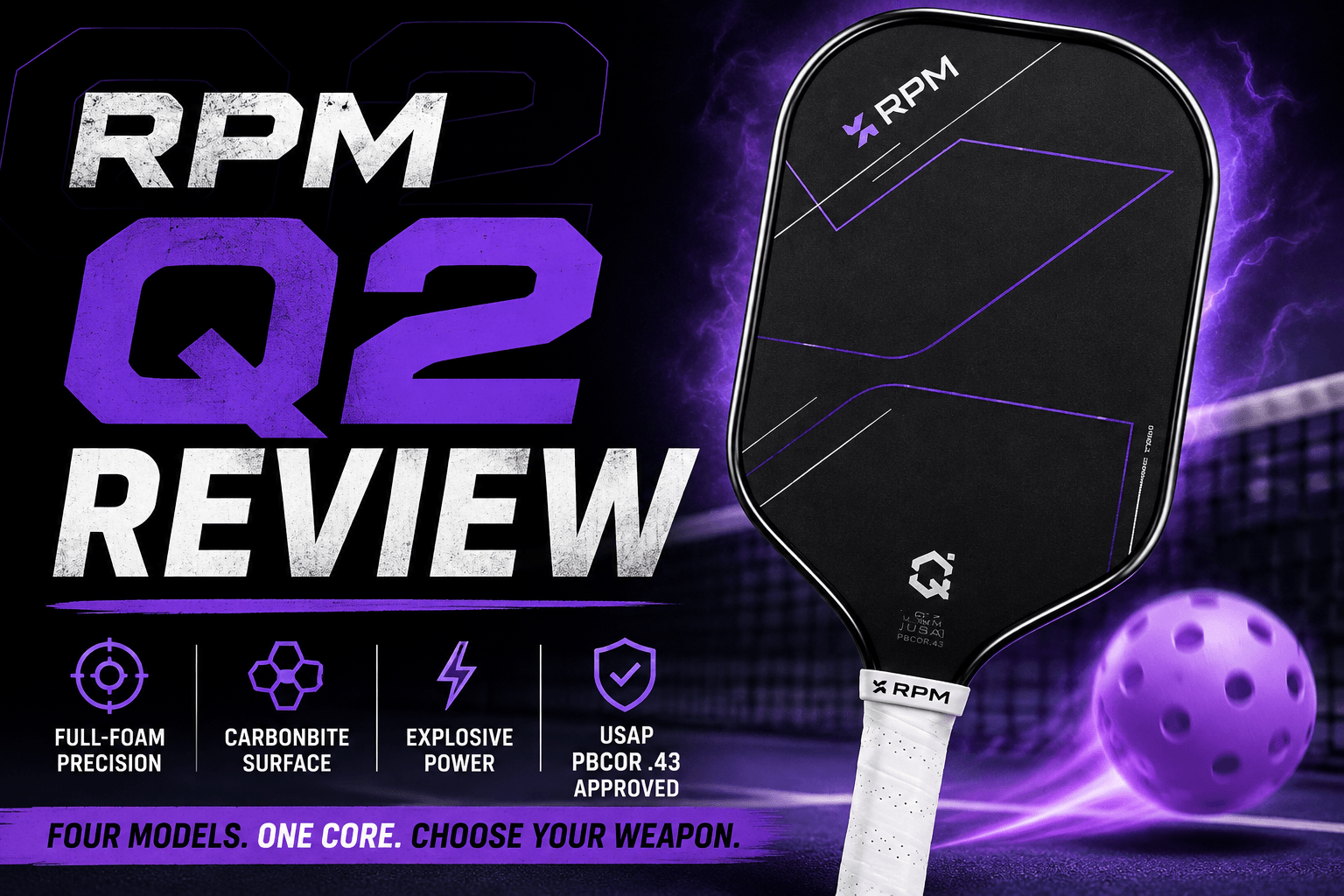
This RPM Q2 review starts with the thing most coverage buries: the Q2 is not one paddle. It is four, and two of them play so differently that treating them as a single product will get you the wrong one.
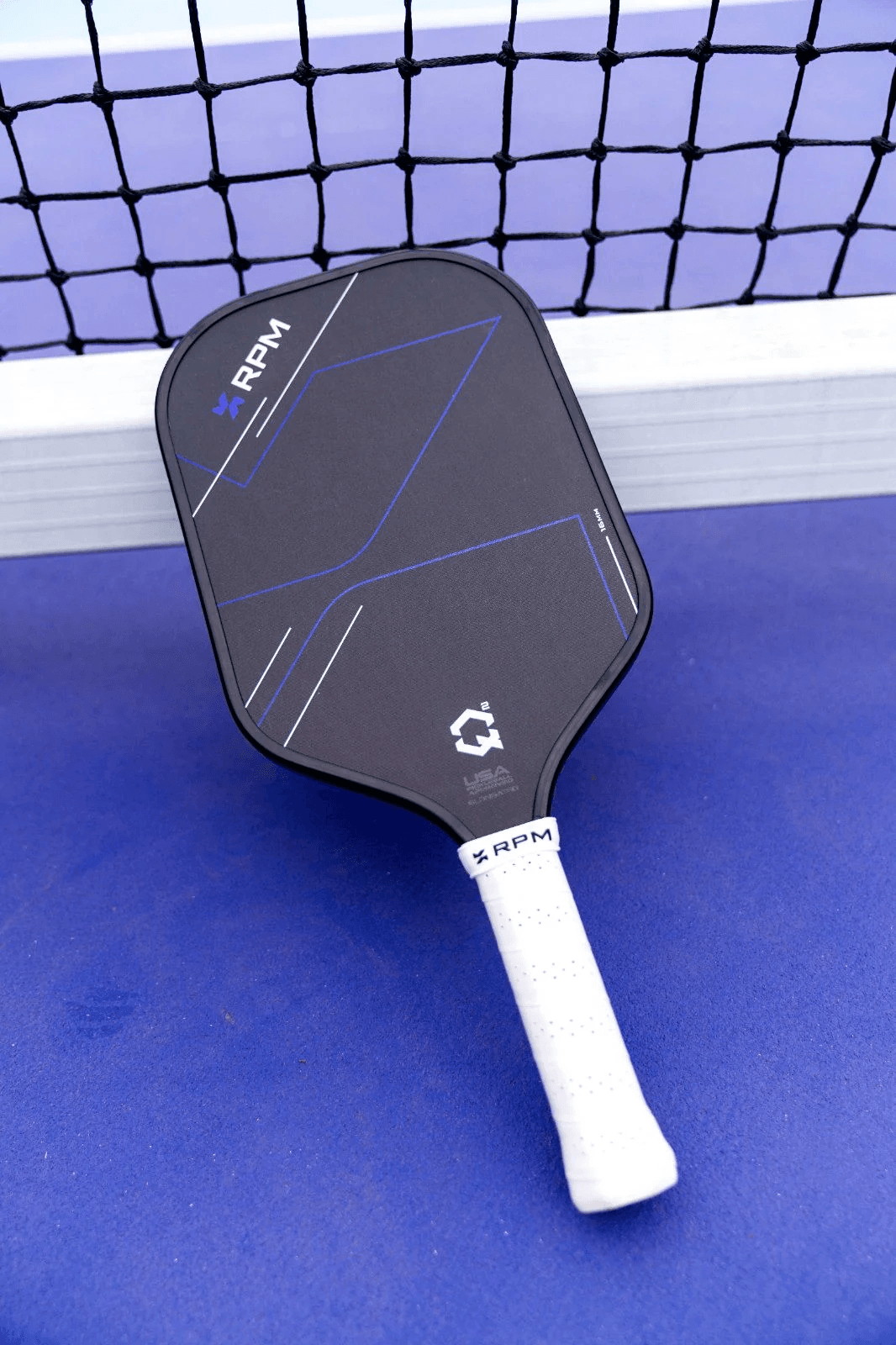
The Q2 is the launch model of RPM's Q Series, developed with paddle engineer and reviewer John Kew, and it took Best Gen 4 Widebody in our Q3 2026 paddle rankings. It is a full-foam build at $249.99 that manages something most Gen 4 paddles do not: it still gives you feedback.
Quick Verdict
The Widebody is the control-and-hands paddle. A 107 swing weight and 6.9 twist weight make it one of the most maneuverable and forgiving foam paddles on the market. Buy it for doubles, kitchen exchanges and fast counters.
The Elongated is the power weapon. Same core, same face, completely different swing weight. Buy it for serves, drives and singles coverage.
Both are USAP PBCoR .43 approved — a real advantage over most of the durable-grit competition, which is UPA-A only.
Unsure? Take the 16mm Widebody. It is the most forgiving entry point into Gen 4 that RPM makes.
Two Paddles Wearing One Name
Every RPM Q2 review that gives you a single verdict is doing you a disservice, because the swing weight spread across the line is enormous. The 16mm Widebody sits at roughly 107. The 16mm Elongated has been measured anywhere from 114 to 120 depending on the tester and the unit.
Any RPM Q2 review that skips this is setting you up to buy wrong. That is not a shape variant. That is the difference between a paddle you flick with and a paddle you drive with. A player who buys the Elongated expecting the quick hands they read about in a Widebody review is going to be disappointed, and vice versa.
So the useful question in an RPM Q2 review is not whether the Q2 is good. It is which Q2 belongs in your bag.
How We Evaluate Paddles
Most paddle coverage restates the manufacturer's press release. This RPM Q2 review applies the same criteria we use across our rankings: verified swing weight and twist weight rather than static weight alone, measured spin output rather than marketing adjectives, how the face holds up over real play, certification status for the events you actually enter, and price-to-performance against everything else at that number.
The last one matters most. At $249.99 the Q2 is not competing with budget paddles. It is competing with the JOOLA Pro V flagships above it and a stack of very good $200 foam paddles below it.
RPM Q2 Specs: All Four Models
Here are the verified numbers behind this RPM Q2 review. All four share the same multi-zone EPP foam core, the same CarbonBite carbon face, and the same $249.99 price. Geometry and core thickness are the only variables.
| Spec | 16mm Widebody | 14mm Widebody | 16mm Elongated | 14mm Elongated |
|---|---|---|---|---|
| Length | 16.0" | 16.0" | 16.5" | 16.5" |
| Width | 8.0" | 8.0" | 7.5" | 7.5" |
| Avg Weight | 7.8 oz | 7.7 oz | ~7.9 oz | ~7.8 oz |
| Swing Weight | 107 | 104 | 114 – 120 | 112 |
| Twist Weight | 6.9 | 6.8 | 6.05 – 6.1 | 6.0 |
| Balance Point | 244 mm | 243 mm | Head-forward | Head-forward |
| Handle | 5.5", 4.125" circumference | |||
| Face | Carbon fiber with CarbonBite surface | |||
| Core | Multi-Zone Hybrid EPP full-foam with molded 3mm groove channels | |||
| Certification | USAP PBCoR .43 approved | |||
| Price | $249.99 | |||
One honest caveat on the numbers: the 16mm Elongated swing weight varies more between testers than any other figure in this table. Published measurements run from 114 all the way to 120. Foam paddles are known for unit-to-unit variance, so treat that spec as a range rather than a promise.
What Is Actually Inside the Q2
The engineering is where this RPM Q2 review gets interesting, because RPM did not simply pour foam into a mould and call it Gen 4.
- Multi-zone foam tuning. Density, firmness and rebound are varied across different regions of the paddle rather than kept uniform. That is what produces the stability on off-center contact without a dead, muted response.
- Molded groove channels. The 3mm channels are formed directly into the foam rather than cut in afterward, which preserves material consistency and controls how the face flexes.
- TPU perimeter inserts at 3 and 9 o'clock. Denser and more elastic than standard EVA, these raise torsional stability and enlarge the effective sweet spot. This is the single biggest reason the Widebody's twist weight is as high as it is.
- TPE neck inserts. Dampen vibration and introduce controlled flex at the throat without destabilising the head.
- Patent-pending Axial Carbon Layup. Carbon layered to flex uniformly from throat to tip, keeping the response predictable across the whole face.
The stated goal, and the reason this RPM Q2 review rates the build so highly, was a foam paddle that plays like a honeycomb paddle — connected, communicative, with real feedback on contact. On that specific brief, it is the most successful Gen 4 paddle we stock.
How the Q2 Widebody Plays
Hands and Maneuverability
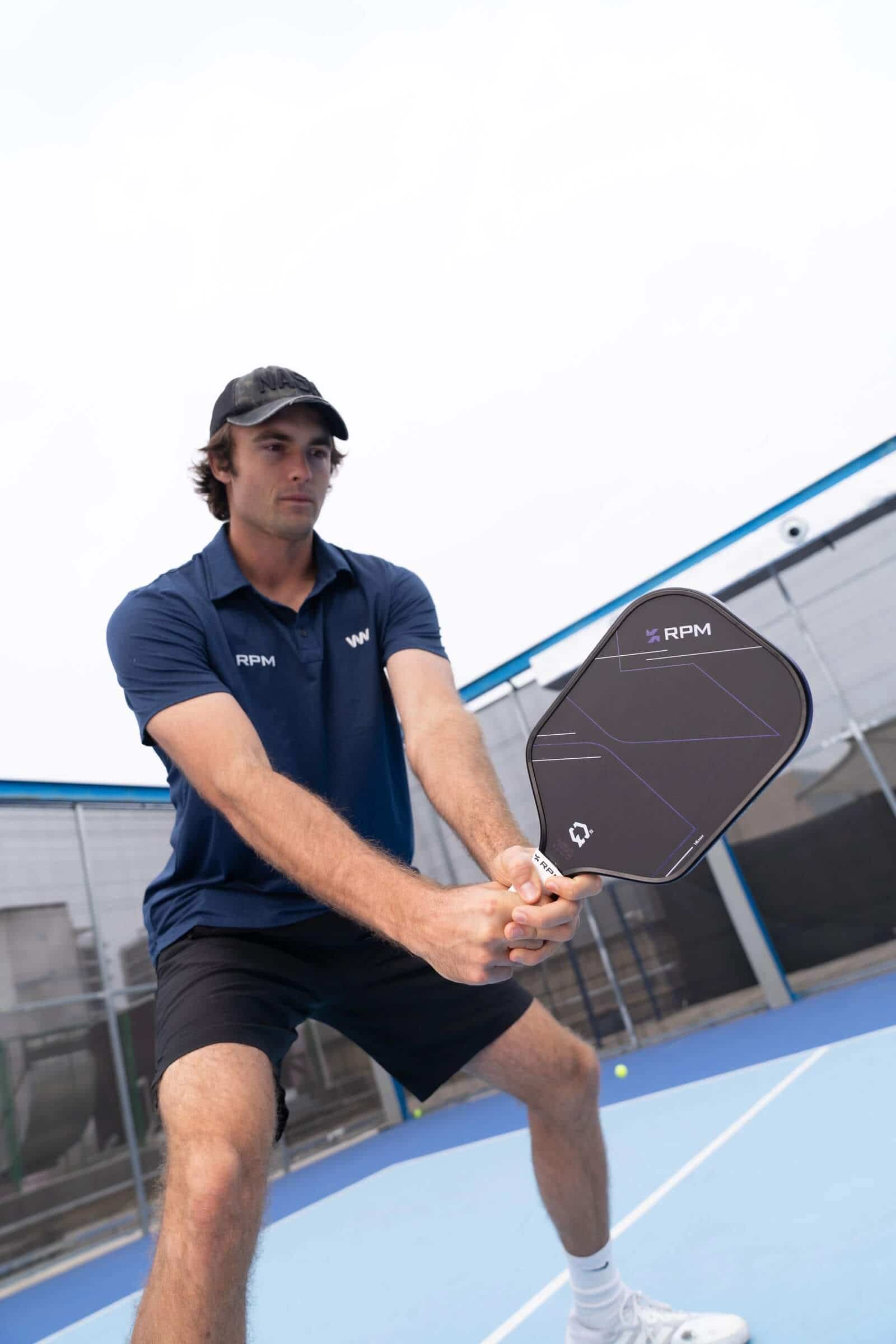
This is the headline of the Widebody. At a 107 swing weight it is lighter through the stroke than almost anything else in the Gen 4 category, and the 8.0" face keeps the sweet spot centered where doubles contact actually happens. Counters, speed-ups and reset-to-attack transitions are where it shines.
Forgiveness
A 6.9 twist weight on a paddle this light is unusual, and it is what earned the Widebody its category win. Off-center contact stays stable. For a player moving into full foam for the first time, that forgiveness compensates for the adjustment period, which is exactly why we recommend it as the entry point.
Power and Pop
Here is where this RPM Q2 review diverges from the marketing. The Widebody has real pop — it is lively at the net and punishes anything above net height — but it is not a plow-through power paddle. The low swing weight that makes it quick also caps how much mass you can put behind a drive. If you want the Q2 to hit heavy, you want the Elongated.
Spin
The CarbonBite face has tested around 2,310 RPM, which puts it in strong company without quite reaching the very top of the durable-grit field. Serves and drives shape well, and the spin is what makes the paddle's power controllable — you can swing hard and trust the ball to dip.
How the Q2 Elongated Differs
This is the half of the RPM Q2 review most buyers skip, and it is the half that decides the purchase. Same core, same surface, entirely different paddle. Swing weight jumps into the mid-to-high 110s, twist weight drops to around 6.05, and the 16.5" frame adds reach and leverage.
What you gain: serve speed near the top of the category, genuine drive authority from the baseline, and coverage on stretch volleys and lobs. Multiple independent testers have placed the Elongated among the highest serve-speed paddles they have measured.
What you give up: forgiveness. A 6.05 twist weight on an elongated frame means mishits are punished, and the higher swing weight is noticeably slower to reposition in a hands battle. This is a paddle for players confident in their contact point.
14mm vs 16mm: Which Core?
The core thickness question comes up in every RPM Q2 review, and the answer is more decisive here than on most paddles.
16mm gives more dwell time on the face. That means softer hands at the kitchen, more shape on drives, and enough touch to survive the soft game. It is the version we recommend to most players.
14mm is faster and sharper, with a quicker rebound off the face. It is excellent in hands battles and genuinely difficult in the soft game — several reviewers have flagged the 14mm builds as poppy enough that controlling resets becomes real work. Take it only if you already play well with high-pop paddles.
Certification: A Real Advantage
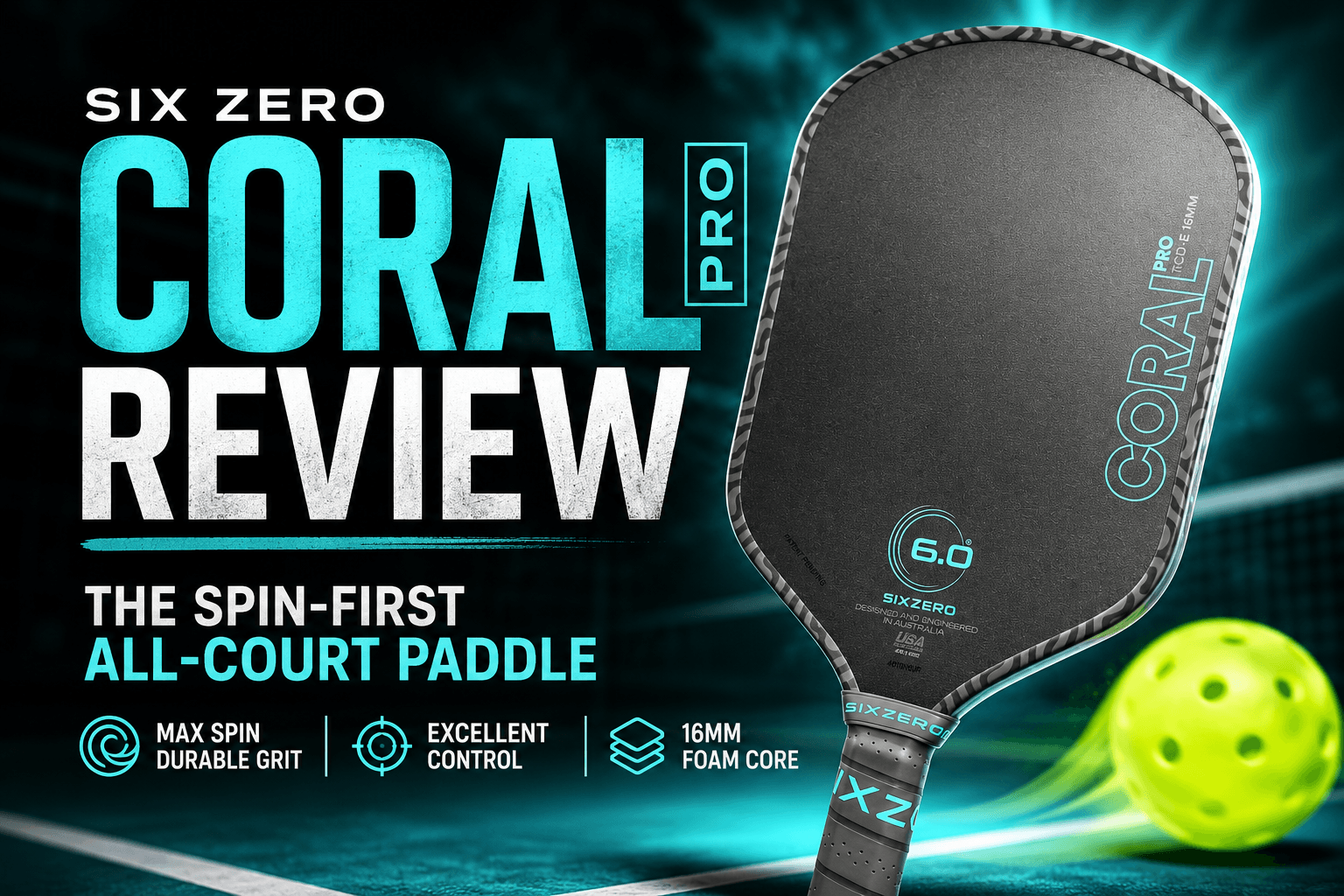
The Q2 is USAP PBCoR .43 approved. That matters more than it sounds. Several of the strongest paddles in this price band — the Six Zero Coral Pro, the 11SIX24 Power 2 line, the Honolulu Crystal Blue paddles — are UPA-A only and are not eligible for USA Pickleball sanctioned tournaments. The Q2 clears them.
If you play USAP events and you have been shut out of the durable-grit conversation because of certification, this RPM Q2 review is the one to pay attention to. It is one of the few genuinely elite full-foam paddles you can enter a sanctioned tournament with.
Q2 vs RPM Friction Pro V2
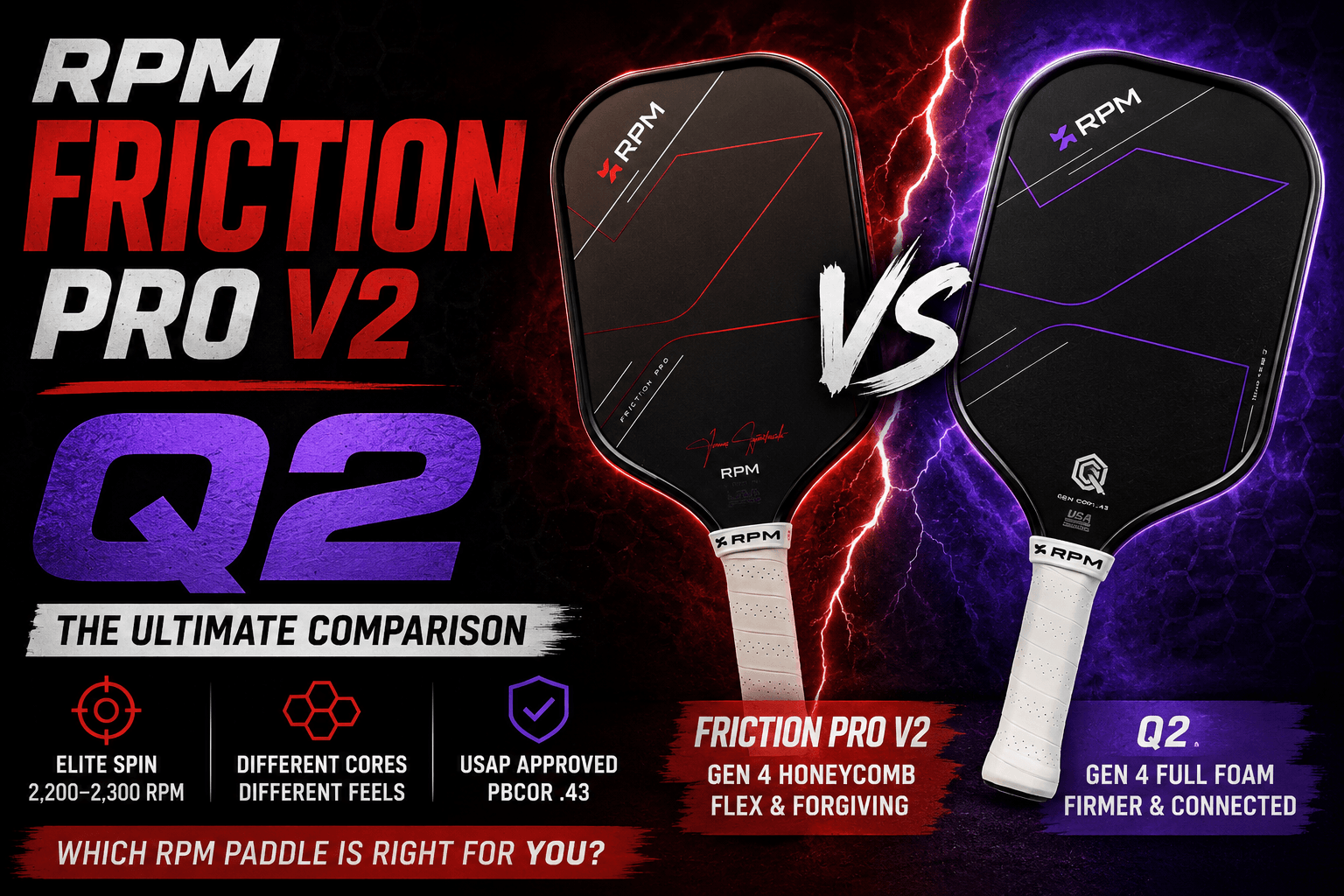
This RPM Q2 review would be incomplete without it: RPM sells both at $249.99, which makes this the most common question we get about the line. They are built on different generations.
The Friction Pro V2 is the Gen 3 option — foam around a honeycomb core, and the more familiar feel if you have played traditional paddles for years. It is our Gen 3 Elongated pick in the Q3 rankings and it is the safer transition.
The Q2 is the full-foam Gen 4 build, with a higher power ceiling and a response that stays more consistent as the paddle ages. It reads as a slightly tighter, firmer paddle.
If you have never hit full foam and you like your current paddle, take the Friction Pro V2. If you want the modern platform and you are willing to spend two or three sessions adjusting, take the Q2.
Q2 vs Our Other Gen 4 Picks
At $249.99 the Q2 is the most expensive Gen 4 paddle in our Q3 rankings. Here is how this RPM Q2 review places it against the other two.
| Paddle | Price | Where it beats the Q2 | Where the Q2 wins |
|---|---|---|---|
| 11SIX24 Vapor Power 2 | $209.99 | Forty dollars cheaper, more proven grit durability | USAP approved, higher twist weight, more feedback |
| AIREO Cyclone 2.0 | $199 | Fifty dollars cheaper, also clears every sanctioning body | Far more forgiving in widebody form, quicker hands |
| Six Zero Coral Pro | $220 | Better spin and texture longevity, more composed soft game | USAP approved, lighter through the stroke |
The pattern: the Q2 is the priciest of the three and rarely the outright spin winner, but it is the only one on this list a USAP tournament player can actually use. For a lot of buyers that ends the conversation.
Customizing and Weighting the Q2
Both Widebody builds arrive light — 7.7 to 7.8 ounces average — which leaves unusual headroom for tuning. Worth covering in an RPM Q2 review because the shape decides what actually helps.
On the Widebody, weight at 3 and 9 o'clock adds plow-through without wrecking the hand speed that makes the paddle worth owning. Two to four grams per side is a common starting setup. Weight at the throat adds drive mass while keeping the head quick.
On the Elongated, the 6.05 twist weight is the weakness rather than the swing weight. Tape at 3 and 9 buys back stability on off-center contact. Avoid adding at the tip — the swing weight is already high enough.
General caution: the multi-zone foam changes how it releases the ball when you add mass. Build in small increments and play a full session between changes.
The Complaints Worth Taking Seriously
No honest RPM Q2 review skips the objections, and three come up consistently.
The adjustment period is real. The power arrives faster than most players expect, and long swings send balls long. Reviewers consistently report needing to shorten their motion. Budget two or three sessions.
Swing weight varies between units. Especially on the Elongated, where published figures span 114 to 120. If a specific number matters to your setup, weigh yours before you build on it.
The price. At $249.99 you are paying flagship money in a category where $200 buys a lot. The USAP approval and the build quality justify it for the right buyer, but it is not the value pick.
Who Should Buy It
The takeaway from this RPM Q2 review, sorted by player type:
- USAP tournament players who want a genuinely elite full-foam paddle and have been blocked by certification
- Doubles players who live at the kitchen — take the 16mm Widebody
- Aggressive baseline players and singles competitors — take the 16mm Elongated
- Players curious about Gen 4 who dislike how muted most foam paddles feel
RPM Q2 16MM Elongated Pickleball Paddle
$249.99
RPM Q2 16MM Elongated Pickleball Paddle The RPM Q2 is the launch model of RPM’s new Q Series, developed in collaboration with legendary paddle engineer and reviewer John Kew. Built as a refined full-foam performance paddle, the Q2 is designed… read more

Who Should Skip It
- Anyone shopping on value — the Vapor Power 2 and Cyclone 2.0 do most of this for less
- Players who want maximum spin above all else — the durable-grit specialists out-spin it
- Beginners — the power ceiling is more than a developing player can control
- Anyone unwilling to spend a few sessions recalibrating from a control paddle
Related Spinwave Links
- Shop all RPM paddles
- Read our Q3 2026 best pickleball paddles rankings
- Read our best foam core pickleball paddles guide
- Read our Six Zero Coral Pro review
- Read our Honolulu J2CR Crystal Blue review
- Shop power pickleball paddles
- Shop all-court pickleball paddles
- Shop Spinwave Certified Pre-Owned paddles
- Get a free paddle consultation
Final Verdict
The conclusion of this RPM Q2 review is that John Kew's fingerprints are all over it in the best way. This is a full-foam paddle engineered by someone who spent years measuring what players actually respond to, and it shows in the one thing it does better than its competition: it gives you feedback.
The short version of this RPM Q2 review: buy the 16mm Widebody if you play doubles and want the most forgiving, fastest-handling Gen 4 paddle available. Buy the 16mm Elongated if you want one of the highest power ceilings on the market and you trust your contact. Do not buy either expecting the other.
Every paddle we sell comes with a 30-day play-test guarantee, so you can take one on court and send it back if it is not right. If you would rather talk it through first, visit us in Great Neck or at the Long Beach Tennis Center pro shop, call 1-888-629-1915, or book a free paddle consultation online.
FAQs
Are the RPM Q2 Widebody and Elongated the same paddle in two shapes?
No. They share the same multi-zone EPP foam core, the same CarbonBite carbon face and the same $249.99 price, but the swing weights are far apart. The 16mm Widebody sits at roughly 107 with a 6.9 twist weight. The 16mm Elongated has been measured anywhere from 114 to 120 with a twist weight closer to 6.05. That is a different paddle to play with, not a shape variant.
Which RPM Q2 should I buy?
Take the 16mm Widebody if you play doubles and want the most forgiving, fastest-handling option. A 107 swing weight and 6.9 twist weight make it the easiest entry point into Gen 4 that RPM makes. Take the 16mm Elongated if you want serve speed and drive authority from the baseline and you trust your contact point. The 14mm builds are for players who already play well with high-pop paddles.
Is the RPM Q2 better in 14mm or 16mm?
16mm for most players. The extra dwell time means softer hands at the kitchen, more shape on drives and enough touch to survive the soft game. The 14mm is faster and sharper off the face and excellent in hands battles, but several reviewers have flagged the 14mm builds as poppy enough that controlling resets becomes real work. Take it only if you already play well with high-pop paddles.
Is the RPM Q2 USAP approved?
Yes. All four Q2 models are USAP PBCoR .43 approved, so they are legal for USAP-sanctioned play. That is a real advantage over much of the durable-grit competition, which carries UPA-A approval only.
RPM Q2 vs RPM Friction Pro V2 — which should I get?
Both sell for $249.99, but they are built on different generations. The Friction Pro V2 is the Gen 3 option — foam around a honeycomb core — and it is the more familiar feel if you have played traditional paddles for years. The Q2 is the full-foam Gen 4 build, with a higher power ceiling and a response that stays more consistent as the paddle ages. If you have never hit full foam and you like your current paddle, take the Friction Pro V2. If you want the modern platform and are willing to spend two or three sessions adjusting, take the Q2.
How much does the RPM Q2 cost?
$249.99, and the price is the same across all four models — 16mm and 14mm, Widebody and Elongated. At that number the Q2 is the most expensive Gen 4 paddle in our Q3 2026 rankings, competing with the JOOLA Pro V flagships above it rather than with the $200 foam paddles below it.
Should I add lead tape to the RPM Q2?
Both Widebody builds arrive light at 7.7 to 7.8 ounces average, which leaves unusual headroom for tuning. On the Widebody, two to four grams per side at 3 and 9 adds plow-through without wrecking the hand speed that makes the paddle worth owning. On the Elongated, the 6.05 twist weight is the weakness rather than the swing weight, so tape at 3 and 9 buys back stability on off-center contact — avoid the tip, because the swing weight is already high. One caution either way: the multi-zone foam changes how the paddle releases the ball when you add mass, so build in small increments and play a full session between changes.
Is the RPM Q2 a good paddle for beginners?
No. The power ceiling is more than a developing player can control, and the adjustment period coming from a control paddle is real — the power arrives faster than most players expect and long swings send balls long. If you are set on the Q Series, the 16mm Widebody is the most forgiving version, but most improving players are better served by something less demanding at a lower price.