
Table of Contents
- Quick Answer: How to Choose a Pickleball Paddle
- Step 1: Set Your Budget Before Shopping
- Step 2: Choose Your Pickleball Paddle Shape
- Step 3: Match Your Paddle to Your Playstyle
- Step 4: Understand Pickleball Paddle Weight
- Step 5: Choose the Right Core Thickness
- Step 6: Pick the Right Paddle Surface
- Recommended Pickleball Paddles by Player Type
- Common Pickleball Paddle Buying Mistakes
- Final Thought
- Need Help Choosing a Pickleball Paddle?
- FAQs
- What is the best pickleball paddle for most players?
- Should beginners use a power paddle or control paddle?
- Is a 14mm or 16mm pickleball paddle better?
- What paddle shape should I choose?
- How much should I spend on a pickleball paddle?
- How do I know which paddle is right for me?
- How long should a pickleball paddle last?
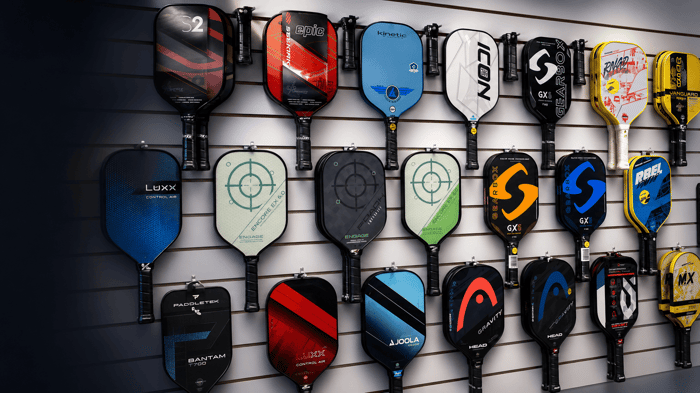
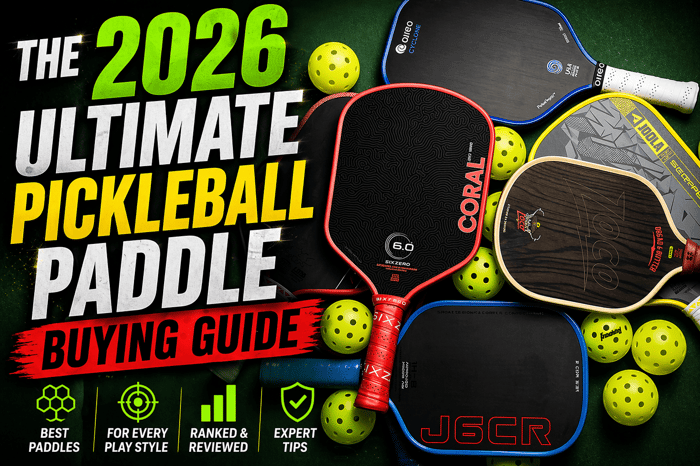
This pickleball paddle buying guide is built to help you choose the right paddle without getting lost in hype, buzzwords, or confusing tech claims. Whether you are a beginner, an improving club player, a former tennis player, or a serious competitor, the right paddle should match your budget, playstyle, swing speed, and comfort level.
Choosing the right pickleball paddle should feel exciting, not like a chore. With every brand claiming “more power,” “more spin,” and “revolutionary tech,” it is easy to get overwhelmed by shapes, core thicknesses, surfaces, weights, and price tiers.
At Spinwave Pickleball, we test paddles daily and help real players find setups that actually fit their game. This pickleball paddle buying guide breaks down the most important things to look for before you buy your next paddle.
Quick Answer: How to Choose a Pickleball Paddle
The short answer from this pickleball paddle buying guide: the best paddle for most players is a hybrid or widebody paddle with a 16mm core, a manageable weight, and a surface that gives you enough spin without sacrificing control. If you are unsure, start with an all-court paddle. It gives you the most balanced mix of power, control, forgiveness, and hand speed.
If you are newer to the game, prioritize forgiveness and control. If you are a former tennis player, you may prefer an elongated or hybrid shape with more reach and spin. If you already generate your own power, avoid buying the hottest paddle just because it is popular.
Step 1: Set Your Budget Before Shopping
The first step in any pickleball paddle buying guide is budget. Before you fall in love with a design or a pro player’s signature paddle, decide what you are comfortable spending. Price does not always equal performance. There are strong paddles in every bracket.
Tier 1: Value Paddles
$120 and below
Great for newer players, casual players, or anyone testing different paddle styles before making a bigger investment.
Tier 2: Performance Paddles
$120–$200
This is the sweet spot for many players. You can get premium feel, strong spin, and reliable construction without overpaying.
Tier 3: Elite Paddles
$200+
Best for players who want the newest technology, pro-level builds, advanced materials, and a very specific performance profile.
Step 2: Choose Your Pickleball Paddle Shape
Paddle shape affects reach, sweet spot, control, and maneuverability. This is one of the most important parts of any pickleball paddle buying guide, because shape is what most players notice first on court.
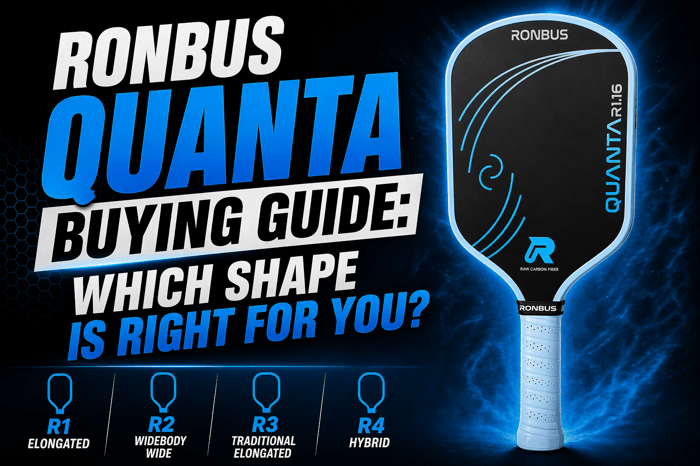
Widebody Paddles
Widebody paddles usually offer the largest sweet spot and the most forgiveness. They are great for doubles players, control players, and anyone who wants easier resets and cleaner contact.
Best for: Beginners, control players, doubles players, and players who want forgiveness.
Hybrid Paddles
Hybrid paddles are the safest choice for many players. They balance reach, sweet spot, power, control, and hand speed better than most shapes.
Best for: Most intermediate and advanced players.
Elongated Paddles
Elongated paddles give you more reach, leverage, and power, but usually come with a smaller sweet spot and slightly slower hands.
Best for: Former tennis players, singles players, and baseline drivers.
Standard Shape Paddles
Standard shapes sit between widebody and hybrid options. They can be easy to use and balanced, depending on the brand and build.
Best for: Players who want a simple, balanced paddle feel.
Step 3: Match Your Paddle to Your Playstyle
The best paddle is not the same for every player. A power player, a control player, and an all-court player should not automatically buy the same paddle. Use this section of the pickleball paddle buying guide to match your paddle to how you actually play.
Power Players
Power paddles are built for explosive pop, harder drives, and stronger finishing ability. They are useful if you struggle to put balls away or want more help attacking from the baseline and midcourt.
Best for: Players who need help ending points.
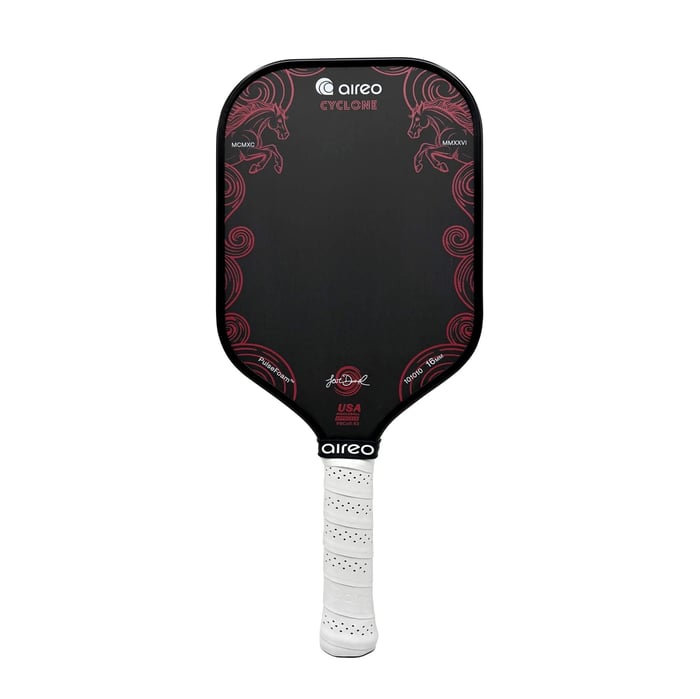
Recommended pick: AIREO Pickleball Paddles
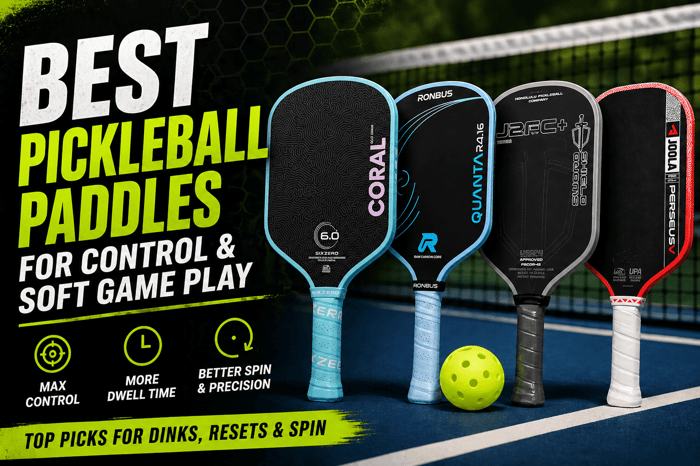
Control Players
Control paddles are designed for consistency, touch, resets, blocks, drops, and dinks. They usually help players keep the ball lower and reduce unforced errors.
Best for: Reset-heavy players, doubles players, dinkers, and players who value placement over raw power.
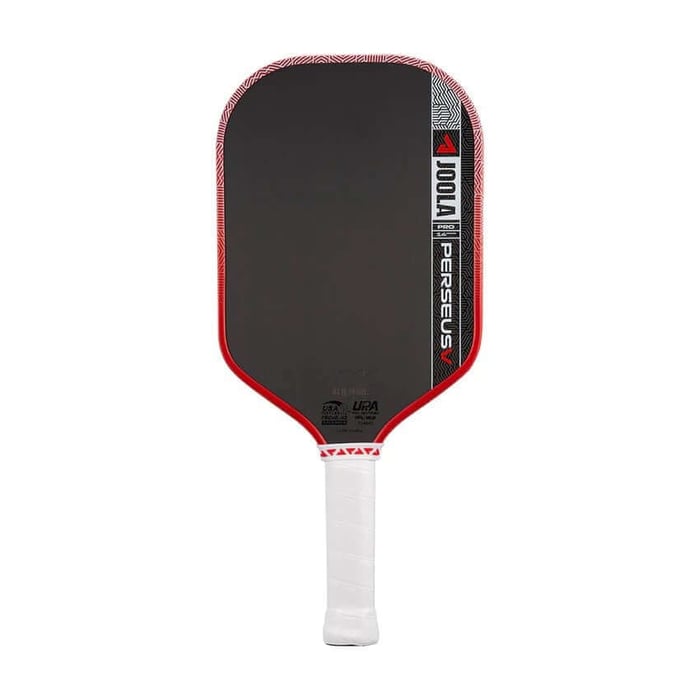
Recommended pick: JOOLA Perseus Pro V
All-Court Players
All-court paddles are the modern standard for many players. They give you enough power to attack, enough control to reset, and enough spin to shape the ball.
Best for: Most players in today’s game.
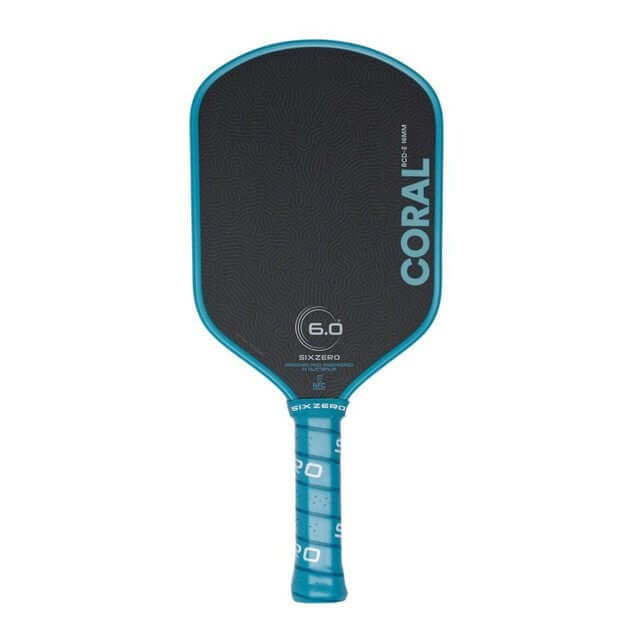
Recommended pick: Six Zero Coral Hybrid
Step 4: Understand Pickleball Paddle Weight
Paddle weight changes how fast the paddle moves, how stable it feels, and how much power you get through contact. A lighter paddle can help with hand speed, while a heavier paddle can feel more stable and powerful.
Lightweight paddles are usually easier to maneuver at the kitchen line. They are helpful for fast hands, quick counters, and players who do not want arm fatigue. The tradeoff is that very light paddles may feel less stable against hard shots.
Midweight paddles are the safest choice for most players. They offer a balanced mix of stability, power, and speed. Heavy paddles can add plow-through and power, but they may slow your hands down and can be harder on the arm.
Step 5: Choose the Right Core Thickness
Most modern pickleball paddles come in 14mm or 16mm versions. Some brands offer other thicknesses, but these are the two most common options.
A 16mm paddle usually gives you more control, more forgiveness, and a softer feel. This is why many players choose 16mm for doubles, resets, and all-court play.
A 14mm paddle usually gives you more pop, faster response, and a firmer feel. This can be great for aggressive players, but it may be less forgiving if you miss the sweet spot.
Step 6: Pick the Right Paddle Surface
Paddle surface affects spin, feel, and durability. Raw carbon fiber, Kevlar blends, fiberglass, titanium weaves, and coated surfaces all create different responses.
Raw carbon fiber is popular because it usually offers strong spin and controlled feel. Kevlar and hybrid weave paddles can feel plush and stable. Fiberglass can add pop and power. Newer surfaces can offer stronger grit retention, depending on the brand and build.
Do not buy based on material alone. A paddle’s shape, weight, core, and construction matter just as much as the surface.
Recommended Pickleball Paddles by Player Type
Here are quick recommendations from this pickleball paddle buying guide, based on common player needs.
Best for power: AIREO Pickleball Paddles
AIREO Cyclone 2.0 16mm Pickleball Paddle

$199.00
AIREO Cyclone 2.0 — 16mm Pickleball PaddleNanoGraph Grit Surface • PulseFoam™ Power Core • Pro-Level PerformanceThe Cyclone is back, rebuilt. Version 2.0 pairs AIREO's NanoGraph grit surface with the PulseFoam™ power core for explosive pop that doesn't give up the… read more
AIREO Cyclone 16mm Pickleball Paddle - Blackout

$189.00
Blackout AIREO Cyclone 16mm Pickleball Paddle PulseFoam™ Power Core • UPA-A & USAP Approved (+PBCoR 43) • Model 101010 Bonus: FREE Neoprene Paddle Cover ($20 Value) included. Engineered for pro players, the AIREO Cyclone 16mm with PulseFoam™ Core delivers explosive… read more
Best for control: JOOLA Perseus Pro V
JOOLA Simone Jardin Perseus Pro V Breeze Blue 16mm Pickleball Paddle

$299.95
JOOLA Simone Jardim Perseus Pro V — Breeze Blue • 16mm The trusted Perseus shape, now in Simone Jardim’s Breeze Blue signature edition. Rounded top corners keep the sweet spot centered, while the elongated profile gives you extra reach—so you… read more
JOOLA Ben Johns Perseus Pro V Blaze Red 16mm Pickleball Paddle

$299.95
Also Available Perseus Pro V — 14mmSnappier feel, more pop on counters, and a lighter swing. Better for fast hands and aggressive net play. View 14mm → JOOLA Ben Johns Perseus Pro V — Blaze Red • 16mm The most… read more
Best all-court option: Six Zero Coral Hybrid
- Best place to browse: Shop all pickleball paddles
- Need help choosing? Get a free paddle recommendation
- Want more reading? Read The Overgrip Bible
- Customizing weight? Read the pickleball weight placement guide
Common Pickleball Paddle Buying Mistakes
One of the most common mistakes covered in any pickleball paddle buying guide is buying the paddle everyone is talking about without asking whether it fits your game. Hype does not always equal performance.
Another mistake is choosing too much power too early. A very powerful paddle can be fun, but if you cannot control depth, resets, and blocks, it may cost you more points than it wins.
Players also ignore weight. A paddle can have great reviews and still be wrong for your hand speed, swing style, or arm comfort.
The right paddle should make the game feel easier. It should help your strengths without making your weaknesses worse.
Final Thought
Do not buy based on hype. Buy based on your game: your strengths, your weaknesses, your swing, and the pace you actually play at.
This pickleball paddle buying guide is meant to give you a simple starting point. If you want forgiveness, start with hybrid or widebody. If you want control, lean 16mm. If you want power, consider a firmer or more aggressive build. If you want balance, go all-court.
Need Help Choosing a Pickleball Paddle?
We test paddles daily. If you are stuck between a few options, reach out or use our free paddle consultation. We will help you choose based on how you actually play.
FAQs
asdf
adfasf
Should beginners use a power paddle or control paddle?
Most beginners should start with a control or all-court paddle. A very powerful paddle can make it harder to keep the ball in play while you are still developing touch and consistency. Once you have a reliable soft game and can control depth on drives, then it makes sense to look at more aggressive power paddles.
Is a 14mm or 16mm pickleball paddle better?
A 16mm paddle is usually better for control, touch, and forgiveness. A 14mm paddle usually feels firmer, faster, and more powerful. If you are unsure, 16mm is the safer choice. Most premium paddle lineups now offer both thicknesses of the same model, so you can pick the response that fits your game.
What paddle shape should I choose?
Choose widebody if you want maximum forgiveness, hybrid if you want balance, and elongated if you want extra reach and power. Most players do well with a hybrid shape — it's why hybrid paddles dominate this pickleball paddle buying guide's recommendations across all three player types.
How much should I spend on a pickleball paddle?
Many players can find a strong paddle between $120 and $200. Newer players do not always need the most expensive paddle. Advanced players may benefit from elite builds ($200+) if they know exactly what feel and performance they want. Tier 2 ($120-$200) is the sweet spot for most competitive players.
How do I know which paddle is right for me?
The right paddle should match your playstyle, budget, preferred shape, weight comfort, and control needs. If you are not sure, start with an all-court 16mm hybrid paddle or use the Spinwave free paddle consultation to get a custom recommendation. We test paddles daily and can match you to one based on how you actually play.
How long should a pickleball paddle last?
Most quality paddles last 6-18 months of regular play before the surface texture starts to wear and you lose meaningful spin. Casual players who play 1-2 times a week can get 12+ months. Players who play 4-5 times a week may notice spin drop-off at the 6-month mark. The core itself often outlasts the surface, which is why grit durability is becoming a bigger factor in paddle choice.