
Table of Contents
- Quick Answer: What Paddle Helps with Tennis Elbow?
- What Causes Pickleball Elbow?
- Why Vibration and Torque Matter
- How Paddle Weight Affects Arm Comfort
- Why Core Material Matters
- What to Look for in Pickleball Paddles for Tennis Elbow
- Top Pickleball Paddles for Tennis Elbow
- Tips to Reduce Arm Strain While Playing
- Related Paddle Links
- Final Thoughts: Choosing Pickleball Paddles for Tennis Elbow
- FAQs
- What are the best pickleball paddles for tennis elbow?
- Can a pickleball paddle cure tennis elbow?
- Is a lighter or heavier pickleball paddle better for tennis elbow?
- Are 14mm or 16mm paddles better for tennis elbow?
- What is ProKennex's Kinetic technology and does it really help?
- Does grip size affect tennis elbow?
- Should I stop playing pickleball if I have tennis elbow?
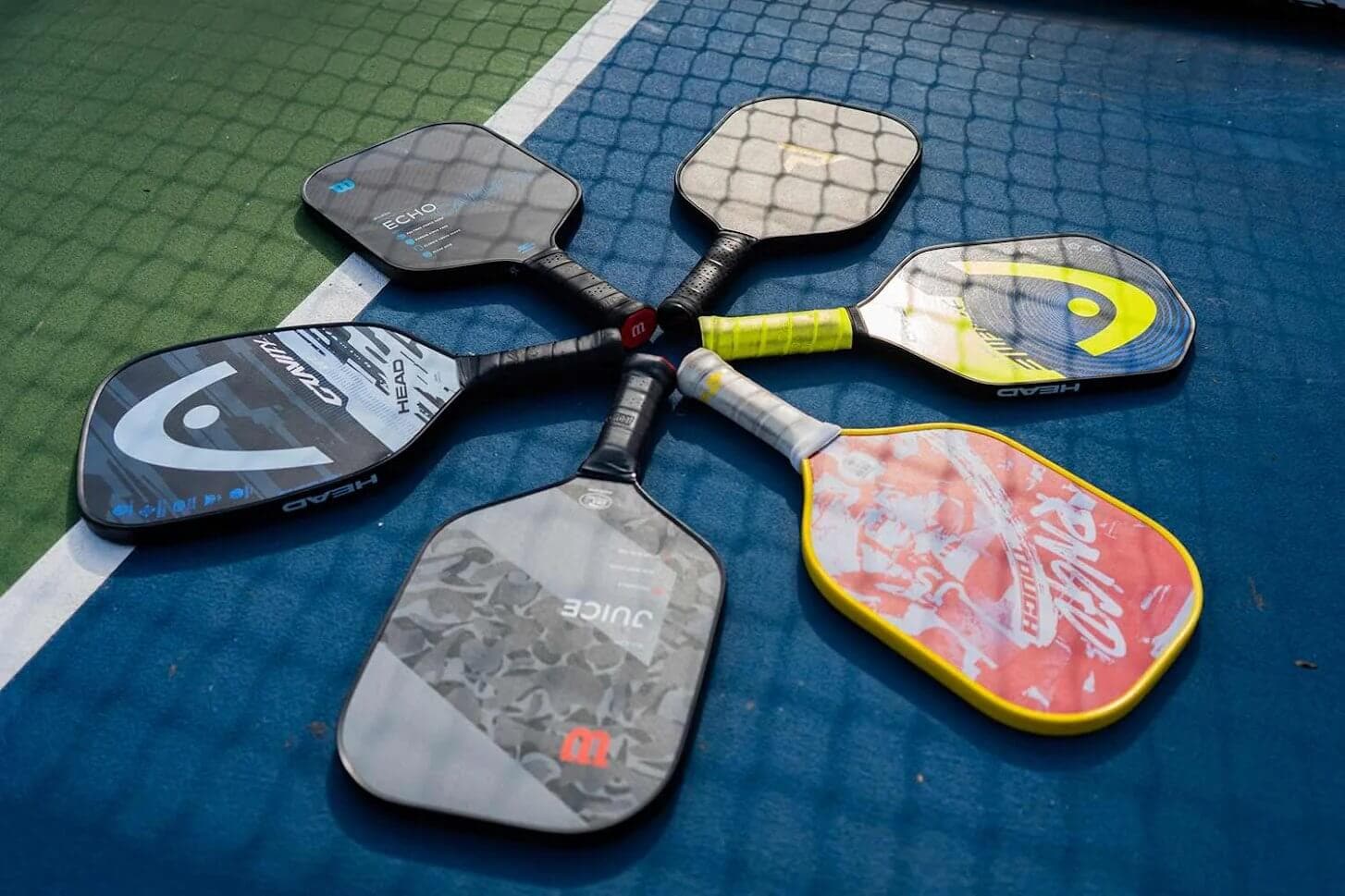
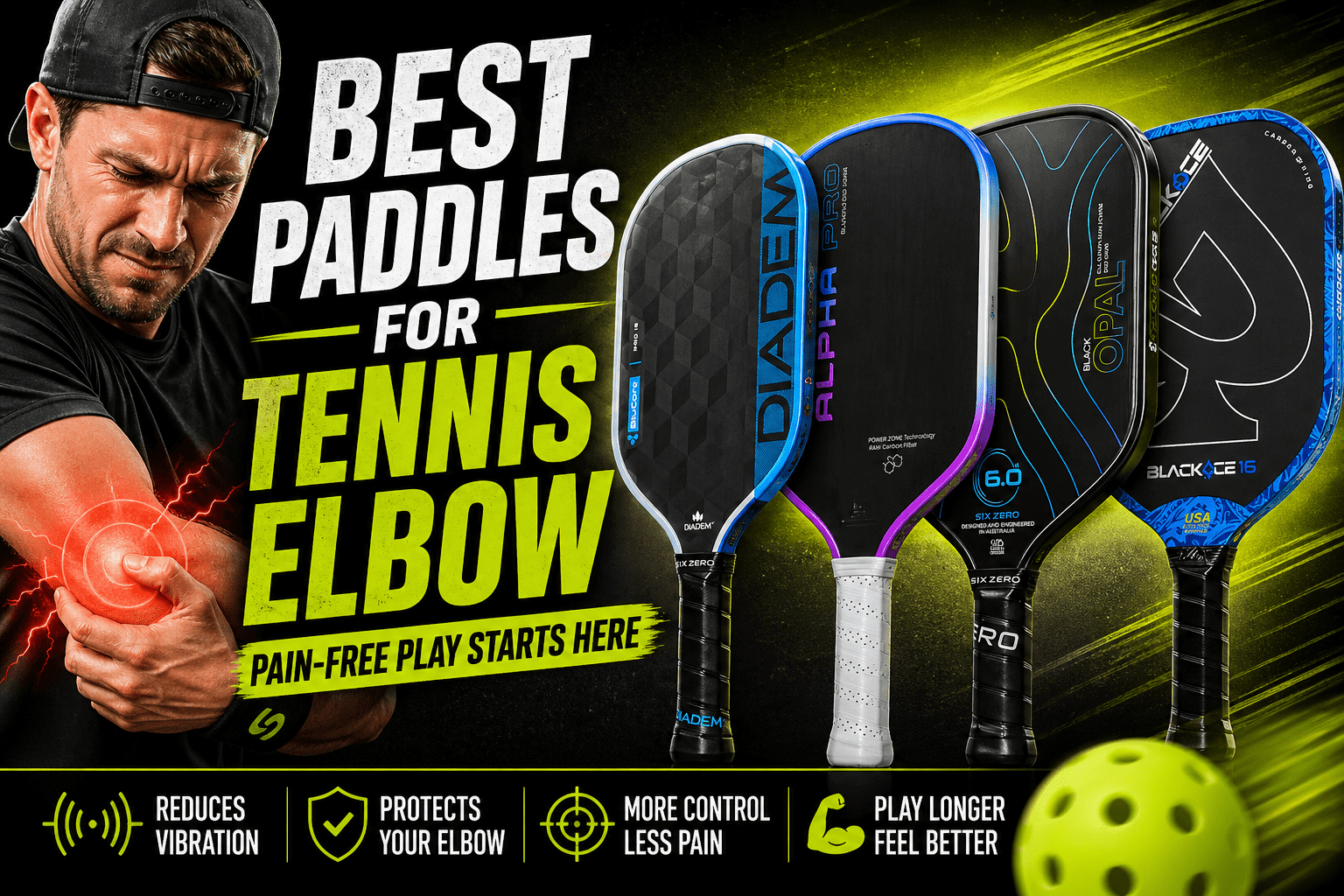
This guide to pickleball paddles for tennis elbow is built for players who want a more comfortable, arm-friendly paddle setup. Pickleball is growing fast, but with quick swings, repeated contact, off-center hits, and tight grip pressure, many players deal with a familiar problem: pickleball elbow, often called tennis elbow.
Tennis elbow usually shows up as pain or irritation on the outside of the elbow and can make it difficult to play comfortably. While no paddle can guarantee injury prevention or treatment, certain pickleball paddles for tennis elbow can help reduce vibration, improve comfort, and lower unnecessary strain on your arm.
If you are dealing with elbow pain, the right paddle is only one part of the solution. Technique, grip pressure, warmups, recovery, and medical guidance all matter. But choosing one of the better pickleball paddles for tennis elbow — with better vibration dampening, a stable sweet spot, and a comfortable feel — can make a real difference on court.
Quick Answer: What Paddle Helps with Tennis Elbow?
The best pickleball paddles for tennis elbow usually have strong vibration dampening, a stable face, a forgiving sweet spot, a comfortable grip, and a medium-weight build. For many players, a 16mm paddle with good shock absorption is the safest place to start.
The goal is not simply to buy the lightest paddle possible. Very light paddles can be easy to swing, but they may also pass more vibration into the arm. A stable medium-weight paddle can sometimes feel more comfortable because it absorbs impact better and twists less on off-center hits.
If you are currently dealing with serious elbow pain, talk to a medical professional before continuing to play. This guide is about paddle comfort and equipment choice, not medical treatment.
What Causes Pickleball Elbow?
Tennis elbow, medically known as lateral epicondylitis, is usually caused by repetitive stress on the tendons around the outside of the elbow. In pickleball, this stress can come from repeated impact, vibration, poor contact, gripping too tightly, or using a paddle that sends too much shock into the arm.
A paddle that is too stiff, too light, too head-heavy, or too unforgiving can make the problem worse for some players. Off-center hits are especially important because they create twisting force through the paddle, wrist, forearm, and elbow. That is why the best pickleball paddles for tennis elbow tend to prioritize stability and a large sweet spot.
Technique also matters. If you are muscling the ball, death-gripping the paddle, or hitting late too often, even an arm-friendly paddle may not fully solve the issue.
Why Vibration and Torque Matter
Every time the ball hits the paddle, energy travels through the paddle face, handle, wrist, forearm, and elbow. Two major factors matter for arm comfort: vibration and torque.
- Vibration: The rapid shaking after impact that can irritate the arm over time.
- Torque: The twisting force created when the ball is struck off-center.
Paddles with better vibration dampening, larger sweet spots, and more stable construction can feel more comfortable for players managing elbow pain. A more stable paddle twists less on mishits, which can reduce the amount of stress traveling into your hand and forearm.
That is why the best pickleball paddles for tennis elbow are often not just the softest paddles. They are usually the paddles that give you comfort, forgiveness, and stability together.
How Paddle Weight Affects Arm Comfort
Paddle weight plays a major role in how your arm feels during play. Very light paddles are easier to swing, but they may pass more vibration into the arm. Heavier paddles can absorb more shock, but they can also tire out the shoulder, wrist, and elbow faster.
For many players dealing with tennis elbow, a medium-weight paddle with a comfortable grip, stable face, and good shock absorption is usually the best place to start when shopping pickleball paddles for tennis elbow.
| Paddle Weight | Pros | Cons | Arm Comfort |
|---|---|---|---|
| Light under 7.5 oz | Easy to swing, less fatigue | Can transmit more vibration | May irritate sensitive elbows |
| Medium 7.5–8.5 oz | Balanced feel and shock absorption | Slightly more effort than lightweight paddles | Best starting point for most players |
| Heavy over 8.5 oz | Better shock absorption | Can cause fatigue | Comfortable for some, too demanding for others |
Why Core Material Matters
The core of a pickleball paddle is one of the biggest factors in how much vibration reaches your arm. When looking at pickleball paddles for tennis elbow, softer, more forgiving cores generally feel better for players dealing with elbow pain.
Foam Core
Foam-based paddles are usually known for comfort, dwell time, and vibration absorption. They often feel softer on contact and can help reduce harsh feedback. Many modern foam paddles also provide a larger and more forgiving sweet spot.
Polymer Core
Polymer honeycomb cores are common in modern paddles and offer a strong mix of durability, comfort, control, and vibration dampening. A well-built 16mm polymer paddle can be a good option for players who want comfort without switching to a full foam feel.
Nomex Core
Nomex cores are stiff and powerful, but they usually transmit more feedback. Players dealing with elbow pain may want to be careful with very stiff paddles unless they include extra dampening technology.
What to Look for in Pickleball Paddles for Tennis Elbow
When shopping for pickleball paddles for tennis elbow, prioritize comfort and stability over maximum power. A paddle that feels explosive but harsh may make your arm work harder than necessary.
- 16mm thickness: Usually offers more comfort, dwell time, and forgiveness.
- Medium weight: Often balances shock absorption and swing comfort.
- Large sweet spot: Reduces harsh feedback on off-center hits.
- Good twist stability: Helps prevent the paddle from twisting on mishits.
- Comfortable grip: Helps reduce over-gripping and hand tension.
- Vibration dampening tech: Can reduce harsh feedback through the handle.
Top Pickleball Paddles for Tennis Elbow
Here are some strong pickleball paddles for tennis elbow for players looking for a more arm-friendly setup. These paddles focus on stability, comfort, vibration control, and a more forgiving feel.
ProKennex Black Ace 16mm Pickleball Paddle
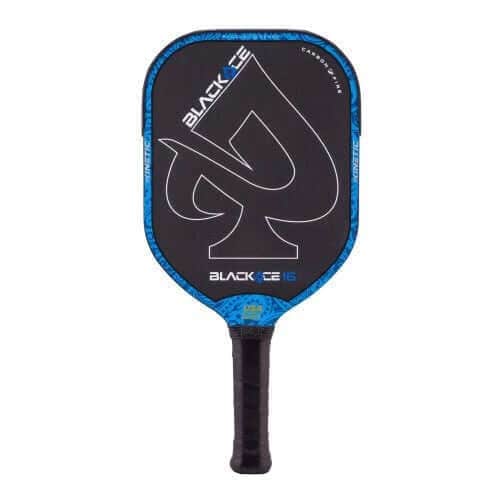
The ProKennex Black Ace is one of the most well-known arm-friendly paddles because ProKennex is heavily focused on vibration reduction and comfort technology. For players specifically worried about elbow comfort, this is one of the first brands many players look at when researching pickleball paddles for tennis elbow.
The 16mm profile gives the paddle a more comfortable response than thinner, harsher builds. It is a strong option for players who want power and performance but still need a paddle that feels easier on the arm.
ProKennex Black Ace LG14 Pickleball Paddle
$250.00
$280.00
Unleash Unmatched Reach and Control with the ProKennex Kinetic Black Ace LG14 Comes with Black Ace Paddle Sleeve The ProKennex Kinetic Black Ace LG14 Pickleball Paddle sets a new benchmark in the Black Ace line, delivering extended reach, dynamic performance,… read more

Engage Alpha Pro 16mm Thermoformed Pickleball Paddle
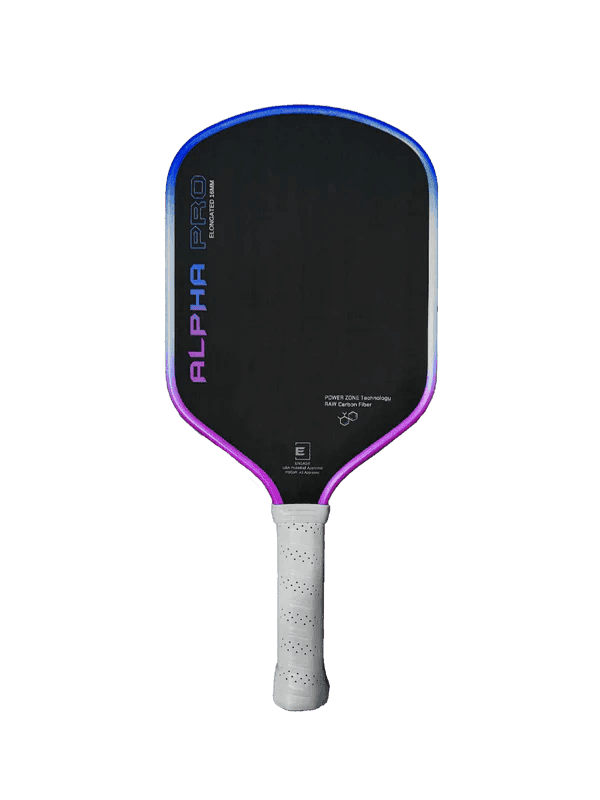
The Engage Alpha Pro offers a stable thermoformed build with a 16mm profile, giving players a solid mix of control, comfort, and stability. It is a good fit for players who want a more traditional paddle feel without choosing something overly harsh.
The stable face helps on blocks, counters, and off-center contact. That stability is important for players managing arm discomfort because a paddle that twists too much can force the wrist and forearm to work harder.
Diadem Edge BluCore Pro Pickleball Paddle
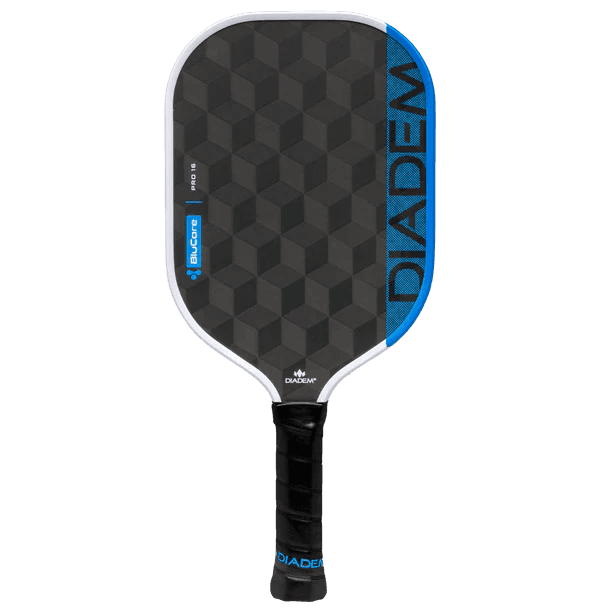
The Diadem Edge BluCore Pro delivers a controlled, stable feel while helping reduce harsh feedback on impact. Among pickleball paddles for tennis elbow, it is a good choice for players who want comfort, stability, and a more controlled response.
This type of paddle makes sense for players who want to keep the ball in play, avoid excessive shock, and focus on cleaner contact without jumping into a very hot power paddle.
Diadem Edge BluCore Pro
$185.00
Diadem Edge BluCore Pro 16 mm Pickleball Paddle The Diadem Edge BluCore Pro 16 mm is made for players who want a more controlled, stable feel without giving up the ability to finish points with power. The extra 2 mm… read more

Six Zero Black Opal 14mm Pickleball Paddle
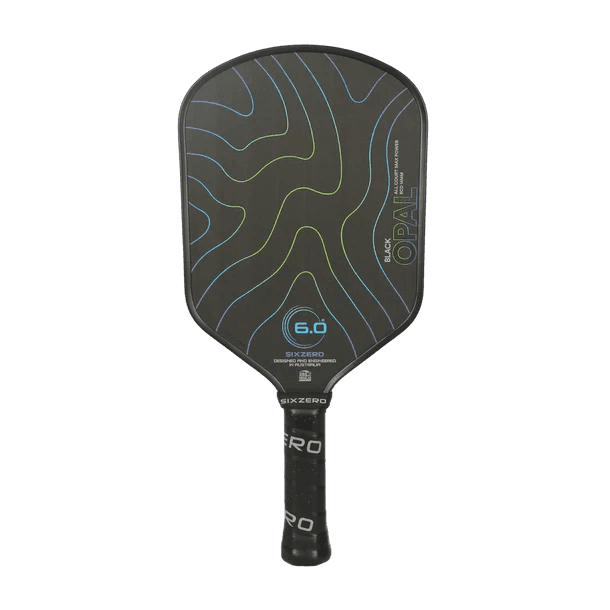
The Six Zero Black Opal provides a comfortable feel with strong control and spin while maintaining a forgiving response. It may be a good fit for players who want a more performance-oriented paddle that still feels manageable.
Because this is a 14mm paddle, players with sensitive elbows should consider whether they prefer a thinner, faster feel or whether a 16mm paddle would be more comfortable. If you like a quicker response and still want a controlled paddle, the Black Opal is worth a look among pickleball paddles for tennis elbow.
Six Zero Black Opal 14mm Pickleball Paddle
$250.00
Six Zero Black Opal Advanced Next Gem Technology — Black Opal We set out to create a paddle that redefines what’s possible in power, control, and durability. The Black Opal is a rare gem in the pickleball world,… read more

Tips to Reduce Arm Strain While Playing
A more comfortable paddle can help, but your setup and habits matter too. If you are dealing with elbow discomfort, small changes can make a difference over time.
- Use a relaxed grip instead of squeezing the paddle too tightly.
- Consider a slightly thicker grip or overgrip if your current grip feels too small.
- Warm up your wrist, forearm, shoulder, and elbow before play.
- Avoid repeatedly hitting late or off-center when possible.
- Take breaks when pain increases instead of pushing through sharp discomfort.
- Consider lessons if technique is causing unnecessary arm stress.
The right paddle can reduce harsh feedback, but good mechanics and recovery are still important. If pain continues, it is worth getting professional medical advice.
Related Paddle Links
Still comparing comfortable paddle options or looking at other pickleball paddles for tennis elbow? These Spinwave links can help:
- Shop control pickleball paddles
- Shop all-court pickleball paddles
- Shop all pickleball paddles
- Shop pickleball grips
- Shop Six Zero paddles
- Get a free paddle consultation
- Read more paddle buying guides
- Read The Overgrip Bible
Final Thoughts: Choosing Pickleball Paddles for Tennis Elbow
If you are dealing with tennis elbow, focus on paddles with good vibration dampening, stable construction, a comfortable grip, and a forgiving feel. The right setup can help you stay on the court longer and play with less discomfort.
The best pickleball paddles for tennis elbow are usually not the harshest, lightest, or hottest paddles. Most players should look for a balanced paddle that absorbs shock, reduces twisting, and helps them make cleaner contact.
No paddle can promise to fix elbow pain, but the right one can make the game feel more comfortable. Pair that with relaxed grip pressure, smart technique, and proper recovery, and you give yourself a better chance to keep playing comfortably.
FAQs
What are the best pickleball paddles for tennis elbow?
The best pickleball paddles for tennis elbow usually have good vibration dampening, a forgiving sweet spot, stable construction, a comfortable grip, and a medium-weight feel. Popular arm-friendly options include ProKennex, Engage, Diadem, and other paddles designed for comfort and control.
Can a pickleball paddle fix tennis elbow?
No paddle can guarantee that it will fix tennis elbow. However, a more arm-friendly paddle may help reduce vibration, harsh feedback, and twisting on off-center hits, which can make playing more comfortable.
Is a heavier or lighter paddle better for tennis elbow?
A medium-weight paddle is usually the best starting point for tennis elbow. Very light paddles may transmit more vibration, while very heavy paddles can create fatigue. Many players do well with a balanced paddle in the 7.5 to 8.5 ounce range.
Is a 16mm paddle better for elbow pain?
A 16mm paddle is often better for players with elbow discomfort because it usually offers more dwell time, shock absorption, stability, and forgiveness than thinner paddles. It is not a guarantee, but it is often a safer place to start.
What paddle features help with tennis elbow?
Look for vibration dampening, a large sweet spot, stable twist weight, comfortable grip size, medium weight, and a softer or more forgiving core. These features can help reduce harsh feedback and unnecessary arm strain.
Should I keep playing pickleball with tennis elbow?
If you have serious or worsening elbow pain, it is best to stop playing and speak with a medical professional. A more comfortable paddle may help reduce irritation, but rest, recovery, technique, and proper treatment matter too.
Can a pickleball paddle cure tennis elbow?
No. No paddle can cure tennis elbow or guarantee injury prevention. What the right paddle can do is reduce vibration, improve stability, lower torque on off-center hits, and make the game feel more comfortable on your arm. If you have persistent elbow pain, see a medical professional before continuing to play. This guide is about equipment comfort, not medical treatment.
Is a lighter or heavier pickleball paddle better for tennis elbow?
Counterintuitively, lighter is not always better. Very light paddles (under 7.5 oz) can transmit more vibration into the arm. Heavier paddles (over 8.5 oz) absorb more shock but can fatigue the shoulder and elbow faster. Most players dealing with elbow pain do best with a medium-weight paddle in the 7.5-8.5 oz range — balanced shock absorption with manageable swing effort.
Are 14mm or 16mm paddles better for tennis elbow?
16mm paddles are usually the safer choice for tennis elbow. The extra thickness gives more dwell time, more cushioning, and a larger sweet spot, all of which reduce harsh feedback into the arm. 14mm paddles feel quicker and firmer but can transmit more vibration. If you're sensitive to elbow discomfort, start with 16mm.
What is ProKennex's Kinetic technology and does it really help?
ProKennex's Kinetic system uses small moving particles inside the paddle to absorb and dissipate vibration on impact. Many players with tennis elbow report it feels noticeably softer than traditional builds, which is why ProKennex is one of the most-recommended brands for arm-friendly play. Whether it "really helps" varies by player — for some it's a meaningful difference, for others less dramatic.
Does grip size affect tennis elbow?
Yes. A grip that's too small can cause you to squeeze the paddle harder, which adds tension to the forearm and elbow. A slightly thicker grip or an added overgrip can help reduce that grip pressure. The right grip should feel comfortable in your hand without forcing your fingers to wrap too tightly around the handle.
Should I stop playing pickleball if I have tennis elbow?
That's a question for your doctor or physical therapist, not a paddle guide. If you're experiencing sharp pain, take a break and seek medical advice. If you have mild discomfort, switching to a more arm-friendly paddle, relaxing your grip, warming up properly, and adjusting your technique may help. But sharp or worsening pain is a signal to stop and get professional guidance, not push through it.