

Table of Contents
- Quick Answer: Why Is Pickleball Noise Such a Big Issue?
- The Decibel Dilemma
- Lawsuits and Permanent Bans
- The Tennis Turf War
- The Real Estate Impact
- Community Solutions: Finding Common Ground
- The Future of the Plunk
- What Players Can Do to Reduce Pickleball Noise Conflict
- Related Spinwave Links
- The Bottom Line
- FAQs
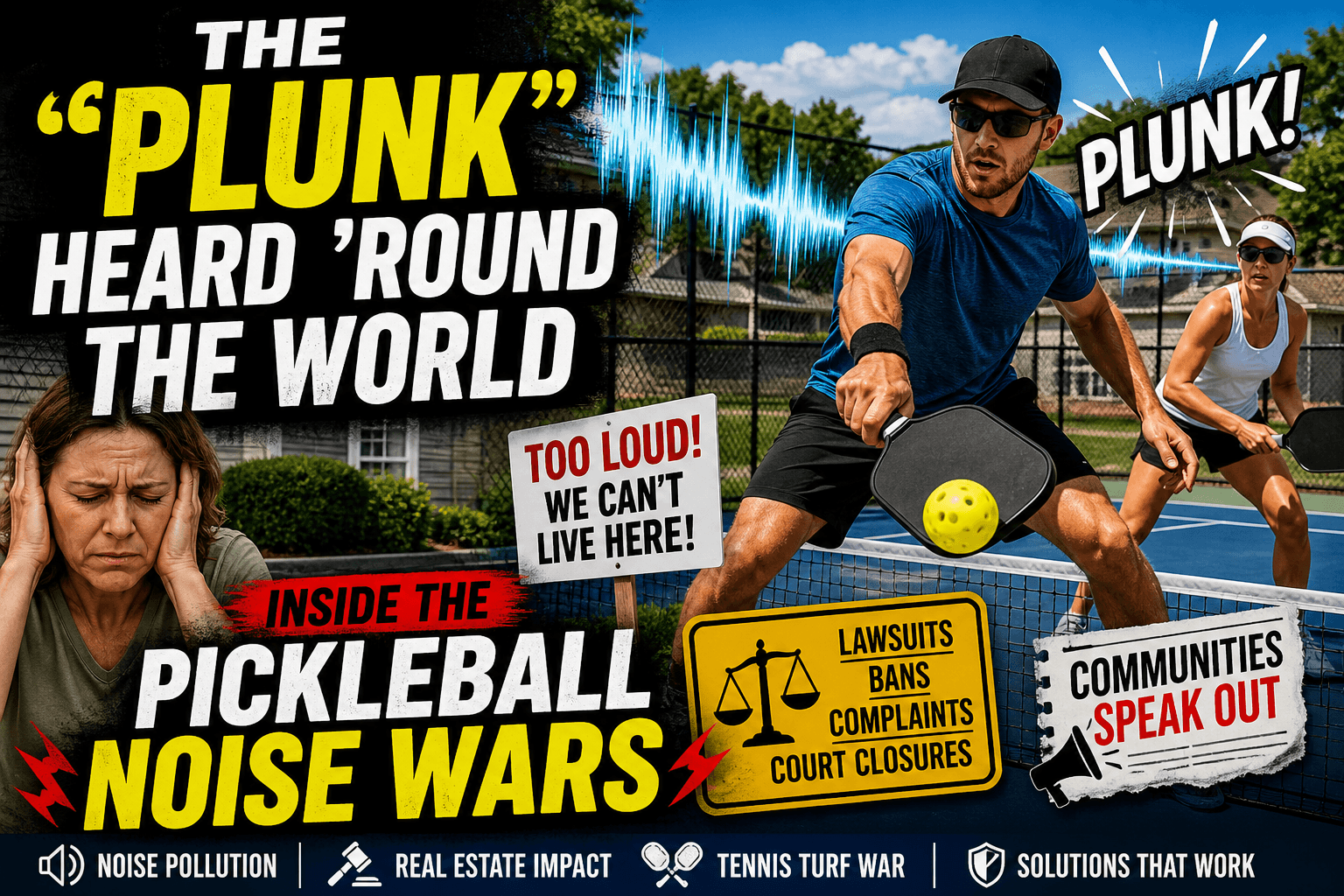
Pickleball noise has become one of the biggest controversies around the sport’s rapid growth. For players, the sharp “plunk” of a plastic ball hitting a paddle sounds like fun. For neighbors living near busy courts, that same pickleball noise can feel repetitive, stressful, and impossible to ignore.
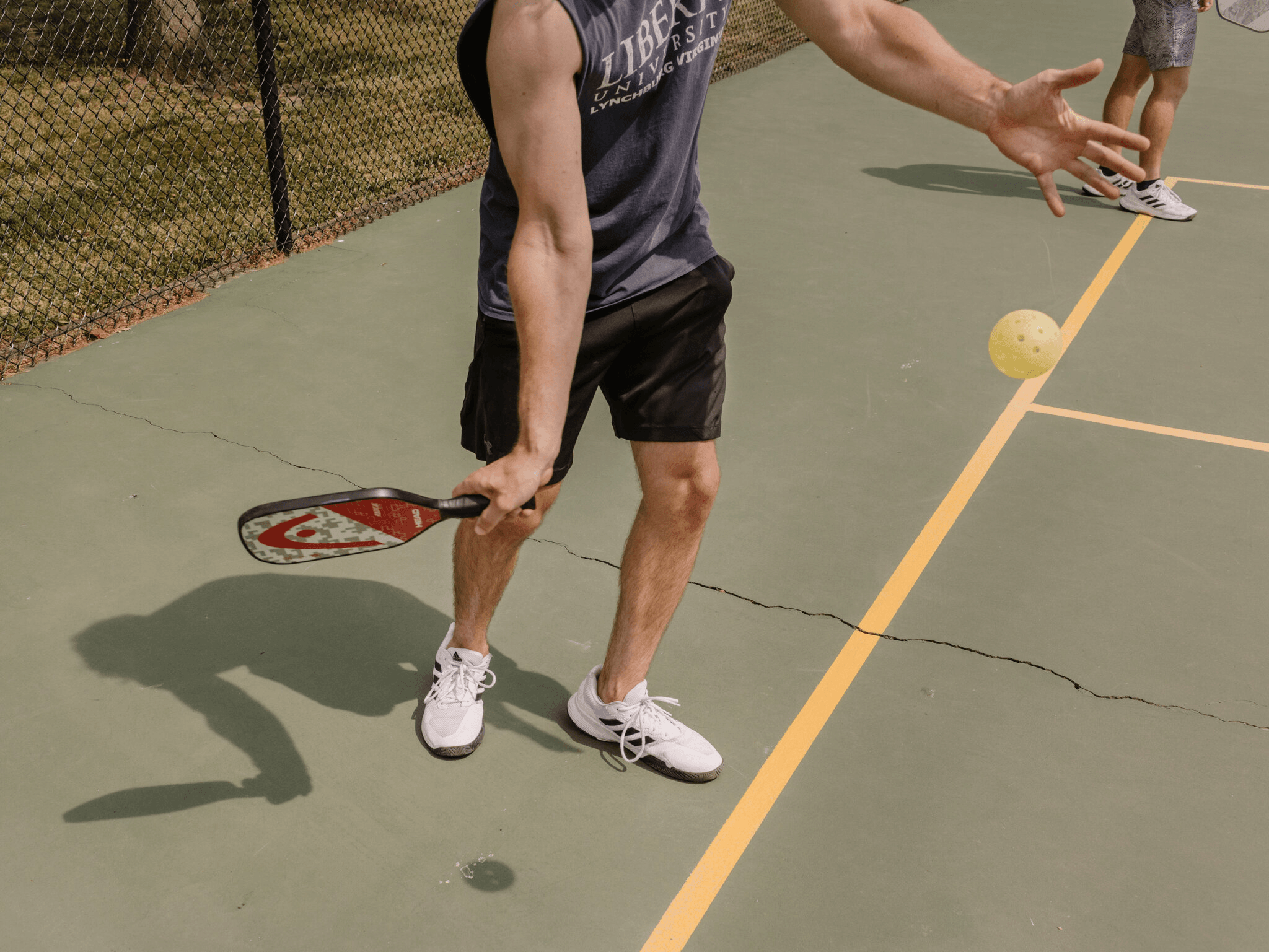
If you play pickleball, the sound of a hard plastic ball striking a composite paddle is part of the experience. It signals a rally, a win, maybe even the start of friendships forged over the net. But if you live next to a pickleball court, especially in a quiet suburban or urban neighborhood, that same sound can become the center of serious neighborhood conflict.
The sport’s explosive growth has collided with residential zoning, public parks, tennis communities, HOAs, and local noise ordinances. What used to be a small complaint has turned into lawsuits, court closures, bans, acoustic studies, and heated public meetings.
This is not just a few grumpy neighbors complaining online. The pickleball noise debate is now a real issue for city planners, real estate buyers, facility owners, homeowners, and players who want more courts without creating community backlash.
Quick Answer: Why Is Pickleball Noise Such a Big Issue?
Pickleball noise is controversial because the sound is sharp, repetitive, and high-pitched. Unlike the softer thud of tennis, pickleball creates a distinct pop that can travel through neighborhoods and become irritating when courts are active for hours at a time.
The issue gets worse when courts are built too close to homes, when multiple courts are active at once, or when parks convert tennis courts into pickleball courts without enough noise planning. The result is a growing fight between players who want access and residents who want peace and quiet.
The Decibel Dilemma
The problem with pickleball noise is not just volume. It is the pitch, repetition, and frequency. Tennis balls hitting strings produce a lower, more muffled sound. Pickleball creates a sharper, higher-frequency pop that cuts through background noise more aggressively.
Imagine living near a court where multiple games run nonstop for hours. The sound is not one isolated hit. It is pop after pop after pop, with voices, balls, and rallies layered on top. For nearby residents, that repetitive pickleball noise can become hard to tune out.
Human ears are especially sensitive to certain high-frequency sounds. That is part of why pickleball can feel louder or more annoying than the raw decibel number might suggest. The sound has a character that grabs attention.
Noise mitigation can help. Acoustic fencing, sound barriers, landscaping, court orientation, buffer zones, and careful court placement all matter. But these solutions cost money and are not always simple to install in existing parks or tight residential areas.
Lawsuits and Permanent Bans
The pickleball noise conflict has escalated far beyond casual complaints. In some communities, residents have pushed for restrictions, lawsuits, closures, and permanent bans when courts are placed too close to homes.
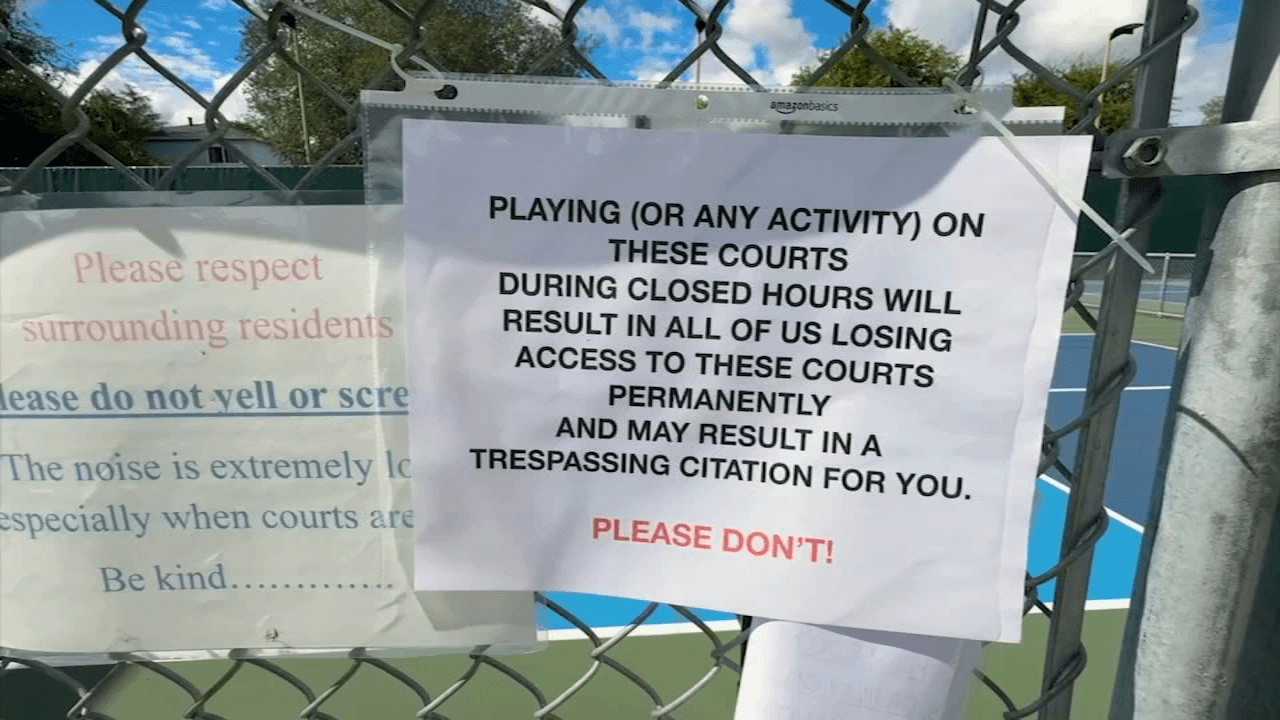
These legal fights put cities, parks departments, and HOAs in a tough position. On one side, pickleball players want access to courts and recreational space. On the other side, nearby residents argue that constant court noise affects quality of life, property value, and daily peace.
Some cities are trying limited hours, paddle restrictions, court relocation, acoustic barriers, or pilot programs before making permanent decisions. Others have taken more aggressive action by shutting courts down when the conflict becomes too intense.
The message is clear: if pickleball courts are added without a serious noise plan, community backlash can put those courts at risk.
The Tennis Turf War
Pickleball noise is not the only point of conflict. The sport’s growth has also created a turf war with tennis players. As cities convert tennis courts or add pickleball lines to shared spaces, longtime tennis players often feel pushed aside.
Tennis and pickleball can coexist, but they do not always coexist smoothly. The sports have different court needs, different rhythms, and different noise profiles. Tennis players often complain that pickleball noise disrupts concentration, especially when the sports are played side by side.
Cities are now being forced to make tough decisions about court allocation. Should public parks prioritize tennis, pickleball, or mixed-use layouts? Should sports be separated? Should courts be dedicated by time of day? There is no perfect answer when demand is high and space is limited.
The Real Estate Impact
One of the biggest concerns in the pickleball noise debate is real estate. A home near a popular court can be convenient for players, but it may be less appealing for buyers who worry about constant sound.
Pickleball noise can affect how people feel about a property. Buyers imagine morning games, evening leagues, weekend tournaments, and the repetitive pop of the ball carrying across the street. For some, nearby courts are a perk. For others, they are a dealbreaker.
The twist is that private pickleball courts can be a luxury feature when they are designed well and placed correctly. A private court on a large property can add lifestyle appeal. A busy public court directly beside a quiet home can create the opposite reaction.
That is the tension. Pickleball can increase lifestyle value when planned well, but it can create conflict when courts are placed too close to residential spaces without sound mitigation.
Community Solutions: Finding Common Ground
The good news is that the pickleball noise problem is not impossible to manage. Communities that plan carefully can often reduce conflict before it turns into lawsuits or closures.
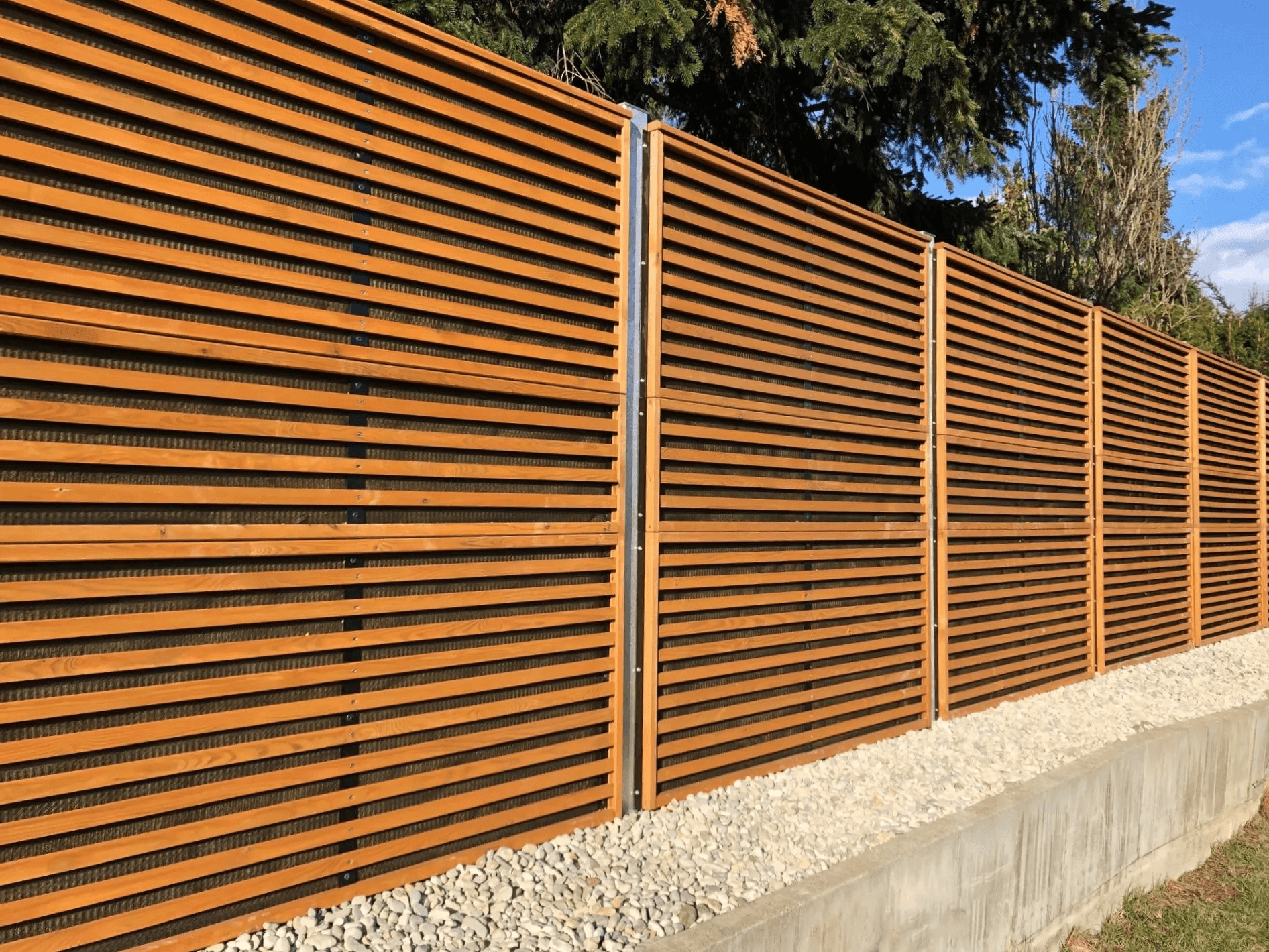
Smart planning starts with court placement. Courts near commercial zones, schools, athletic complexes, or existing noisy facilities usually create fewer complaints than courts built directly next to homes.
Acoustic fencing, landscaping, windscreen materials, berms, and setbacks can also help. So can posted hours, league scheduling rules, quiet paddle requirements, and ongoing communication with neighbors.
The best solution is not to frame it as players versus residents. Both groups have valid concerns. Players need access to courts. Residents need livable neighborhoods. Good planning is the difference between a thriving facility and a future lawsuit.
The Future of the Plunk
The pickleball noise wars are not going away. As the sport keeps growing, demand for courts will continue rising. That means more cities, HOAs, clubs, and developers will need to think seriously about sound before building or converting courts.
The industry is already moving toward quieter paddles, quieter balls, better barriers, and more thoughtful court design. Quiet-rated paddles in particular are becoming a real category as facilities start requiring them. But until the sound problem is fully solved, the plunk will remain part of pickleball’s cultural debate.
For players, that means being aware of where and when they play. For cities, it means planning with neighbors in mind. For homeowners, it means understanding how nearby courts may affect daily life.
What Players Can Do to Reduce Pickleball Noise Conflict
Players can help protect court access by being respectful of nearby residents and shared spaces. A little awareness goes a long way toward keeping pickleball noise complaints down.
- Respect posted court hours.
- Avoid loud early-morning or late-night play near homes.
- Use quieter paddles when required by a facility or community.
- Keep unnecessary shouting and music down in residential areas.
- Support smart court placement and sound mitigation.
- Be respectful when neighbors raise concerns.
The more considerate the pickleball community is, the easier it becomes to defend court access and build new spaces.
Related Spinwave Links
Want gear that fits your game and community rules? These Spinwave links can help:
- Shop pickleball paddles
- Shop control pickleball paddles
- Shop all-court pickleball paddles
- Shop pickleball grips
- Get a free paddle recommendation
- Read more pickleball guides
The Bottom Line
Pickleball is not just a sport anymore. It is a cultural flashpoint, a real estate factor, and a public planning challenge. The sound of the game may be fun for players, but for nearby residents, that same pickleball noise can become a serious quality-of-life issue.
The future of pickleball depends on access, but access depends on smart planning. Courts need to be built where they make sense, with sound mitigation in mind from the beginning.
Every plunk counts. If the sport wants to keep growing, players, cities, clubs, and homeowners will need to find a better balance between play and peace.
FAQs
Why is pickleball noise so loud?
Pickleball noise sounds loud because the plastic ball creates a sharp, high-pitched pop when it hits the paddle. The sound is repetitive and can cut through background noise more than the softer thud of tennis.
Why do people complain about pickleball noise?
People complain about pickleball noise because courts can be active for hours, creating constant popping sounds, voices, and movement near homes. For nearby residents, the repetition can become stressful and hard to ignore.
Can pickleball courts be made quieter?
Yes. Pickleball courts can be made quieter with acoustic fencing, sound barriers, landscaping, buffer zones, careful court placement, limited hours, and quieter paddles or balls. Planning matters more than trying to fix the problem later.
Are pickleball courts bad for property value?
Pickleball courts can be a positive feature when designed well and placed properly, but courts built too close to homes may create noise concerns that some buyers dislike. The impact depends on location, sound control, court hours, and neighborhood demand.
Why are tennis players upset about pickleball courts?
Some tennis players are upset because tennis courts are being converted or shared with pickleball. They may lose court access, and the sharper pickleball sound can interfere with concentration during tennis play.
What is the best solution to pickleball noise complaints?
The best solution is smart planning before courts are built. Courts should be placed away from homes when possible, supported by sound barriers, landscaping, reasonable hours, and clear communication between players, residents, and local officials.
How loud is a pickleball court in decibels?
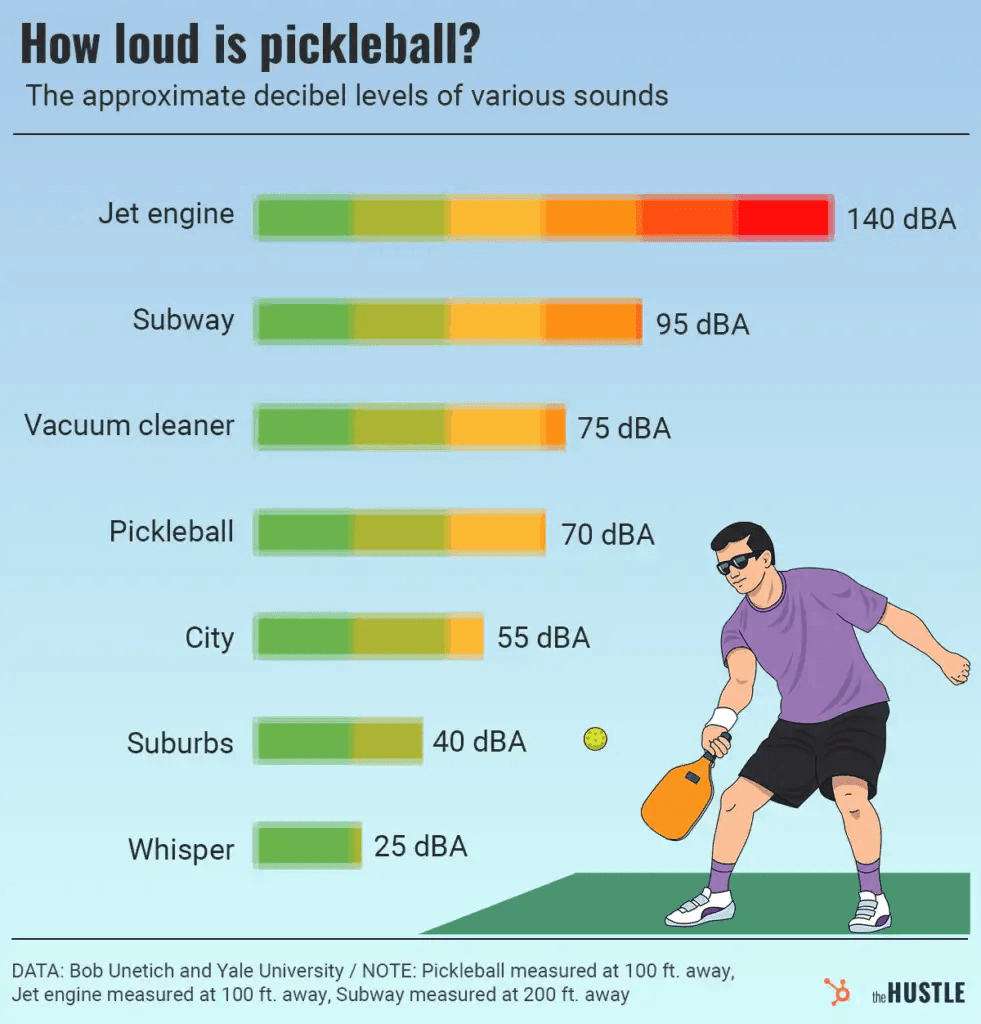
A pickleball court typically registers between 70 and 85 decibels from 100 feet away, depending on paddle type, ball type, and number of active courts. That's roughly the level of a vacuum cleaner or busy street. The bigger issue isn't volume — it's the repetitive high-frequency pop that makes pickleball noise so noticeable in quiet residential areas.
Can pickleball noise hurt property values?
It can. Homes directly adjacent to busy public courts have seen buyer pushback in some markets, especially when noise mitigation is weak. The flip side: private, well-placed courts on larger properties can add lifestyle value. Placement and sound planning make the difference.
Are there quieter pickleball paddles and balls?
Yes. USA Pickleball maintains a Quiet Category list of approved paddles and balls designed to reduce pickleball noise. Some HOAs and facilities now require quiet-rated equipment. The technology isn't perfect, but it's improving fast as demand grows.
What can cities do to reduce pickleball noise complaints?
Smart court placement is the biggest factor — locating courts near commercial zones, schools, or athletic complexes instead of directly next to homes. Acoustic fencing, landscaping berms, posted hours, and quiet paddle requirements also help. The cities with the fewest complaints planned for noise before construction, not after complaints rolled in.
Have any communities banned pickleball entirely?
Several communities across the U.S. have shut down specific courts after sustained noise complaints and lawsuits. Outright sport-wide bans are rare, but court closures and permanent restrictions on hours, equipment, or court count have become common in HOAs and small municipalities.