
Table of Contents
- Quick Answer: Is High School Pickleball a Real Pathway?
- The High School Varsity Revolution
- DUPR and the National High School Pickleball Pathway
- The College Pickleball Scholarship Era
- The NCPA and the Future of Collegiate Play
- Why This Shift Matters Beyond the Court
- What Parents Should Know About High School Pickleball
- What Young Players Should Do Now
- Related Spinwave Links
- The Bottom Line
- FAQs
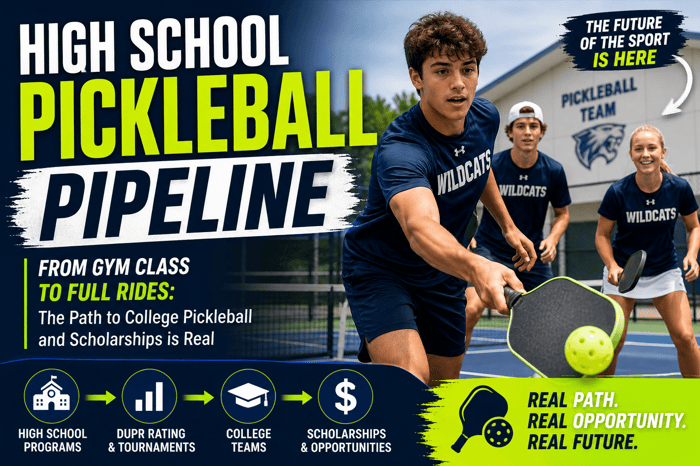
High school pickleball is no longer just a gym class activity or casual club sport. It is quickly becoming a real athletic pathway that connects youth players, varsity programs, DUPR ratings, college pickleball clubs, and even scholarship opportunities.
Forget everything you thought you knew about the trajectory of youth sports. While traditional athletics fight to maintain participation numbers, pickleball is rewriting the playbook with speed. This sport is evolving into a serious competitive pipeline that can stretch from high school courts to college programs.
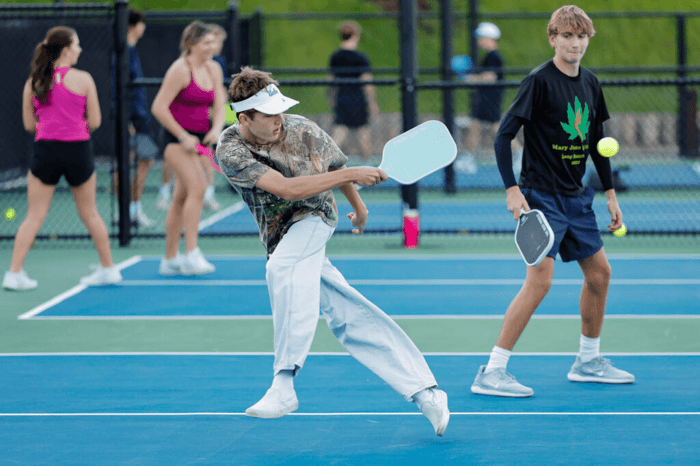
If you still think pickleball is just a fad for retirees or a casual backyard pastime, you have not been paying attention to the shift happening across schools, clubs, and college campuses. Younger players are taking the sport seriously, and schools are beginning to build the structure that turns casual players into real student-athletes.
This is not a small moment. It is a real change in how the sport is developing. If you are a player, parent, coach, or athletic director, the high school to college pickleball pipeline is worth watching closely.
Quick Answer: Is High School Pickleball a Real Pathway?
Yes. High school pickleball is becoming a real pathway for competitive players. More schools are adding clubs, varsity programs, DUPR-rated events, and structured team competition. At the college level, club pickleball is growing quickly, and some schools are beginning to offer varsity programs and scholarship opportunities.
This does not mean every high school player will receive a full college scholarship. But it does mean young players now have more structure, more competition, and more ways to build a real pickleball resume than ever before.
The High School Varsity Revolution
The days of pickleball being tossed only into the recreational bin are changing. In some areas, varsity recognition is already beginning to give the sport more legitimacy inside school athletic departments.
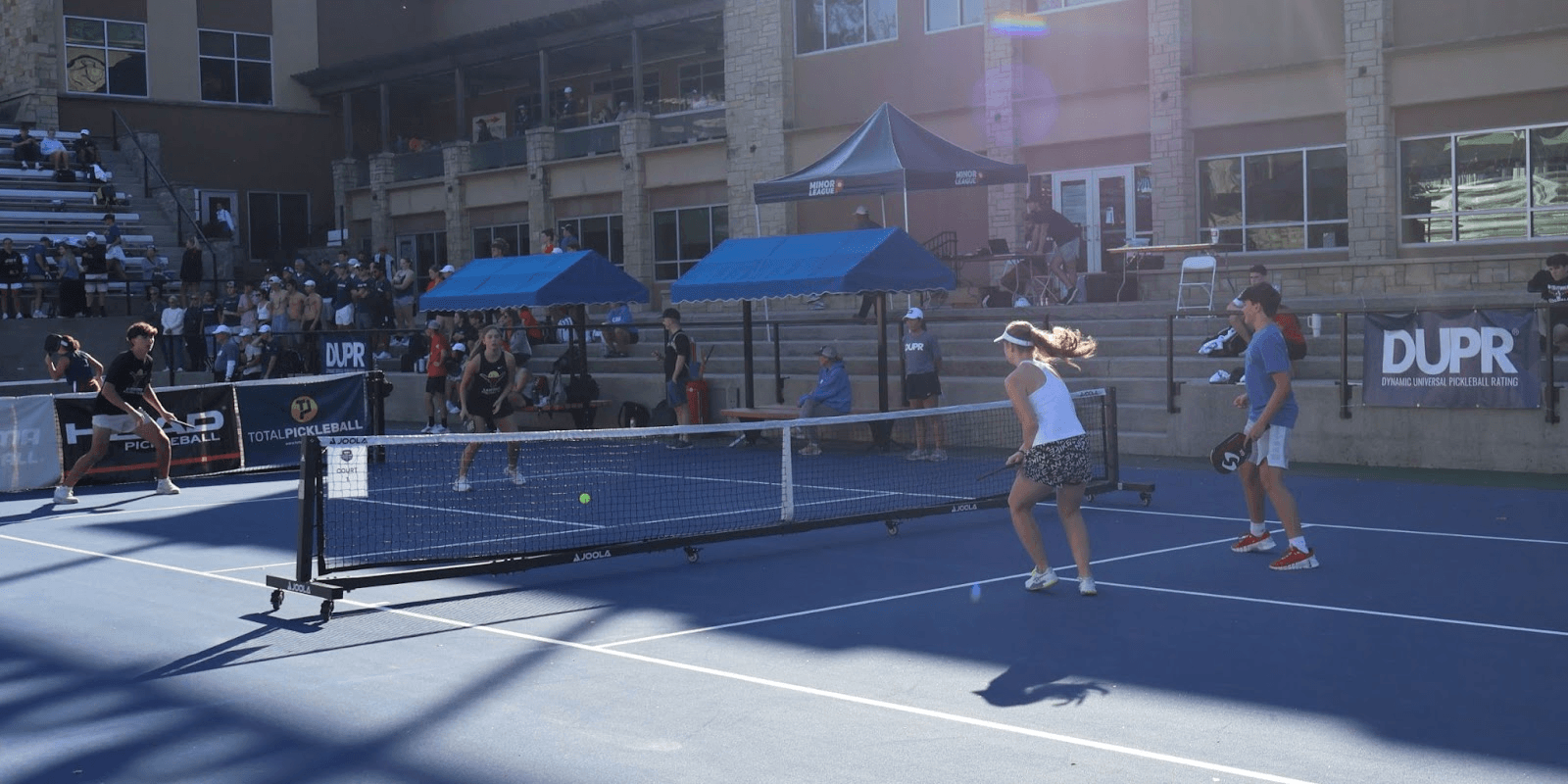
Varsity recognition matters because it means resources. Schools can begin building budgets for gear, access to courts, coaching support, uniforms, schedules, and official competition. It also gives players something they can list as part of their athletic background when applying to colleges.
For players, that shift is huge. A sport becomes much more serious when it moves from casual after-school play into a structured team environment. Practices become more organized. Competition becomes more consistent. Players begin to track results, ratings, and progress.
States with strong pickleball communities are helping lead the way. School clubs, regional tournaments, and youth-focused events are creating the foundation for a new kind of student-athlete: one who may have started pickleball in middle school or high school instead of picking it up later as an adult.
DUPR and the National High School Pickleball Pathway
What good is talent without a clear path? One of the most important developments in youth pickleball is the rise of rating systems and organized events that help players measure progress outside their local bubble.
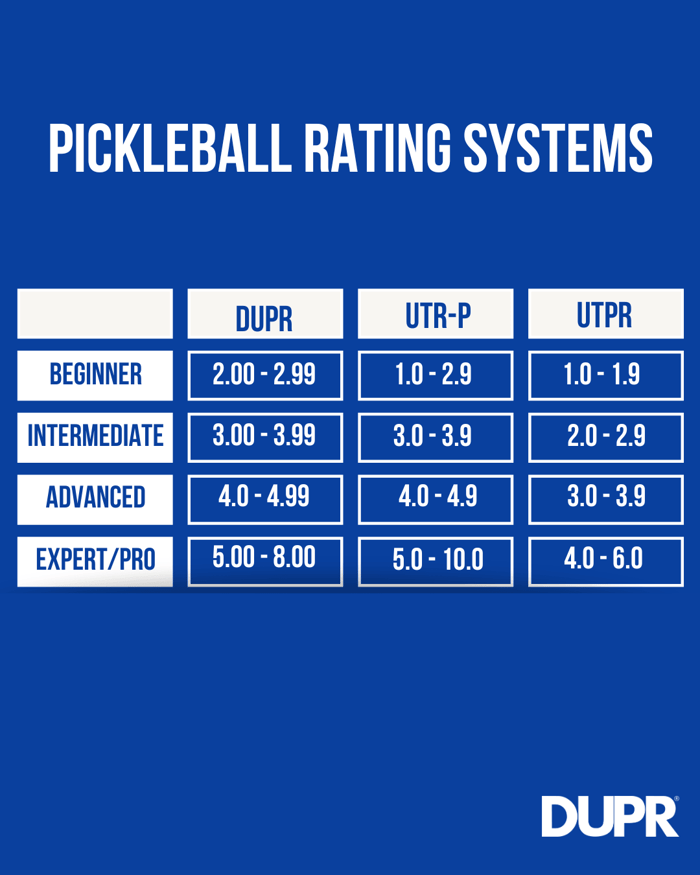
DUPR gives high school pickleball players a way to build a trackable competitive profile. That matters because college coaches, tournament directors, and competitive programs need a way to compare players. A rating system helps turn scattered match results into something more usable.
A high school player who competes in rated events can begin building a record that follows them beyond one school season. That creates more opportunity for players who are serious about improving and want to be seen outside their immediate community.
The more standardized the pathway becomes, the easier it gets for high school athletes to understand what they need to do next. Instead of guessing, players can compete, track results, improve their rating, and build a stronger case for college-level play.
The College Pickleball Scholarship Era
College pickleball scholarships are no longer just a fantasy. While the sport is still young compared to traditional college athletics, schools are beginning to experiment with varsity pickleball, club programs, scholarships, and competitive recruiting.
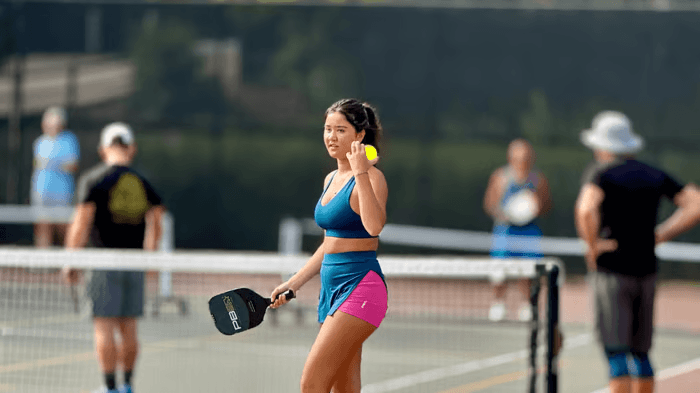
This is where the conversation gets serious for parents. College costs are high, and any sport that creates new scholarship opportunities deserves attention. Pickleball may not yet have the scholarship depth of tennis, basketball, or soccer, but the early signs are important.
The first schools to invest in varsity pickleball are setting a precedent. Once a few programs prove that pickleball can attract students, create community, and generate attention, other colleges are likely to pay attention.
For young players, this means the next few years could be very important. The athletes who start early, compete regularly, and build real ratings may be ahead of the curve as more colleges explore the sport.
The NCPA and the Future of Collegiate Play
Not every school is ready to jump into varsity pickleball yet, but collegiate pickleball is already growing through club programs. The National Collegiate Pickleball Association and other organized college events are helping create a competitive structure for students who want to represent their schools.
Club-level college pickleball matters because it gives students a place to compete even before their school has a varsity program. It also gives athletic departments a way to measure interest. If enough students join, compete, and represent the school well, it becomes easier to justify more support.
For players who want to eventually go pro, college clubs can become serious training grounds. The talent pool is growing, the competition is getting stronger, and the exposure is improving.
Why This Shift Matters Beyond the Court
This surge in high school pickleball and college pickleball is not just about the sport itself. It is also about access. Pickleball is relatively affordable, social, and easier to introduce than many traditional sports.
Not every family can afford expensive travel sports, private coaching, or equipment-heavy activities. Pickleball can create a lower-barrier entry point for kids who want competition, fitness, and community.
For schools, pickleball can fill a real need. It works in gyms, on tennis courts, on converted spaces, and in club settings. It can be played by a wide range of athletes and does not require the same roster size or infrastructure as many larger team sports.
What Parents Should Know About High School Pickleball
Parents should understand that the high school pickleball pathway is still early. That means there is opportunity, but also uncertainty. Not every school has a varsity team, not every college offers scholarships, and the recruiting structure is still developing.
That said, motivated players can start building now. A young athlete can join a school club, compete in local tournaments, track DUPR results, attend camps, and play against stronger competition.
Parents should also focus on development, not just results. Good footwork, smart shot selection, hand speed, doubles strategy, and emotional control all matter. The best young players will not just be the ones who hit hard. They will be the ones who understand how to compete.
Gear matters too. Junior players grow fast and play hard, so getting matched with the right paddle for their level — not an oversized adult tournament paddle — actually helps development. A free Spinwave paddle consultation matches young players with a paddle that fits their hand size, swing weight, and skill level. It's free and takes 10 minutes.
What Young Players Should Do Now
Young players who want to take pickleball seriously should treat it like any other competitive sport. That means consistent practice, match play, ratings, coaching, and physical development.
- Join or start a high school pickleball club.
- Play DUPR-rated matches when possible.
- Compete in junior and local tournaments.
- Practice doubles strategy, not just power shots.
- Build a simple player profile with results and ratings.
- Film matches and use video to improve.
- Stay consistent instead of chasing shortcuts.
A player who starts building those habits early will be much better prepared if college pickleball opportunities continue to grow.
Related Spinwave Links
Want to support a young player getting serious about pickleball? These Spinwave links can help:
- Shop pickleball paddles
- Shop beginner and control paddles
- Shop all-court pickleball paddles
- Shop pickleball grips
- Get a free paddle consultation
- Read the pickleball weight placement guide
- Read The Overgrip Bible
The Bottom Line
The narrative that pickleball is only a retirement community pastime is fading. The next generation of serious players may not be tennis converts who picked up a paddle in their late twenties. They may be athletes who started on pickleball courts in middle school or high school.
High school pickleball is becoming more organized, college pickleball is growing, and scholarship opportunities are beginning to appear. The pipeline is not fully mature yet, but it is real enough that young athletes and parents should pay attention.
If you are a young athlete looking for an opportunity, or a parent thinking about future college options, it may be time to take this sport seriously. Pickleball is not just a game anymore. It is becoming a new varsity pathway.
FAQs
Is high school pickleball becoming a real sport?
Yes. High school pickleball is becoming more organized through school clubs, varsity programs, local leagues, DUPR-rated events, and state-level competitions. It is still developing, but the pathway is becoming more serious.
Can you get a college scholarship for pickleball?
Yes, some colleges are beginning to offer varsity pickleball programs and scholarship opportunities. The scholarship landscape is still young, but college pickleball is growing quickly through both varsity and club-level programs.
How can a high school player get noticed for pickleball?
High school players can get noticed by competing in rated events, building a DUPR rating, joining school or club teams, playing tournaments, filming matches, and creating a simple player profile with results and experience.
What is DUPR in high school pickleball?
DUPR is a pickleball rating system that helps track player performance through match results. For high school players, a DUPR rating can help create a measurable competitive profile for tournaments, clubs, and potential college opportunities.
Should parents take youth pickleball seriously?
Yes. Youth pickleball is growing quickly, and early players may benefit as more schools, colleges, and clubs build competitive programs. Parents should focus on skill development, match experience, ratings, and long-term growth.
What gear does a high school pickleball player need?
A high school pickleball player should start with a reliable paddle, court shoes, comfortable athletic clothing, balls, and a bag. As the player improves, they may want a paddle that better matches their style, such as control, all-court, or power.
Can you get a college scholarship for pickleball?
Some schools are beginning to offer pickleball scholarships, though the scholarship depth is still far behind tennis, basketball, or soccer. The first schools experimenting with varsity pickleball are setting a precedent that more colleges are likely to follow. For young players, this means the next few years matter — athletes who start competing early and build real DUPR ratings will be ahead of the curve as more colleges add programs.
What is DUPR and why does it matter for high school pickleball?
DUPR (Dynamic Universal Pickleball Rating) is the sport's standardized rating system — similar to UTR in tennis. It gives high school pickleball players a trackable competitive profile based on actual match results. College coaches, tournament directors, and competitive programs use DUPR to compare players across regions, which turns scattered local match results into something that follows you. It's the closest thing pickleball has to a national resume.
What is the NCPA?
The National Collegiate Pickleball Association is the main organization helping create competitive structure for college pickleball at the club level. Even before schools formally adopt varsity pickleball, the NCPA runs tournaments and events that let students represent their schools. It's how athletic departments measure student interest, which helps justify eventual varsity programs and scholarships.
How can a high school student get serious about pickleball?
Join or start a high school pickleball club, play DUPR-rated matches consistently, compete in junior and local tournaments, work on doubles strategy (not just power), film matches for review, and build a simple results-and-ratings profile. Focus on development — footwork, shot selection, emotional control — not just hitting hard. Consistency over shortcuts wins long-term.
What paddle should a young pickleball player use?
Most junior and developing players are best served by all-court or balanced paddles that prioritize forgiveness and hand speed over raw power. Avoid oversized adult tournament paddles — they're too heavy and too long for developing hands. A free paddle consultation can match a young player with the right paddle for their hand size, swing weight, and skill level. Fit matters more than brand at this stage.
Will pickleball ever be an Olympic sport?
It's a real conversation — pickleball is being discussed for future Olympic inclusion as part of the IOC's push to add younger, faster-growing sports. No firm timeline has been set, but the sport's global growth, accessible format, and equipment standardization make it a credible candidate. For high school pickleball players today, that's another reason the competitive pathway is worth taking seriously.