
Table of Contents
- TLDR: A Durable Grit Pickleball Paddle Is Good, But It Is Not Magic
- Every Good Paddle Already Generates Serious Spin
- What Spin Tests Actually Measure
- Technique Still Matters More Than Surface
- My Personal Case Study
- When a Durable Grit Pickleball Paddle Is Worth It
- Product Pick: Honolulu Crystal Blue Endurance
- The USAP and UPA-A Certification Question
- What You Should Actually Do
- Final Take
- FAQs
- Is durable grit actually worth it on a pickleball paddle?
- Does raw carbon fiber generate less spin than durable grit?
- Why do spin test numbers vary between reviewers?
- Are durable grit paddles legal in USAP tournaments?
- What is the best durable grit paddle surface in 2026?
- Should I buy a new paddle just to improve my spin?
- What is the difference between USAP and UPA-A paddle certification?
- FAQs
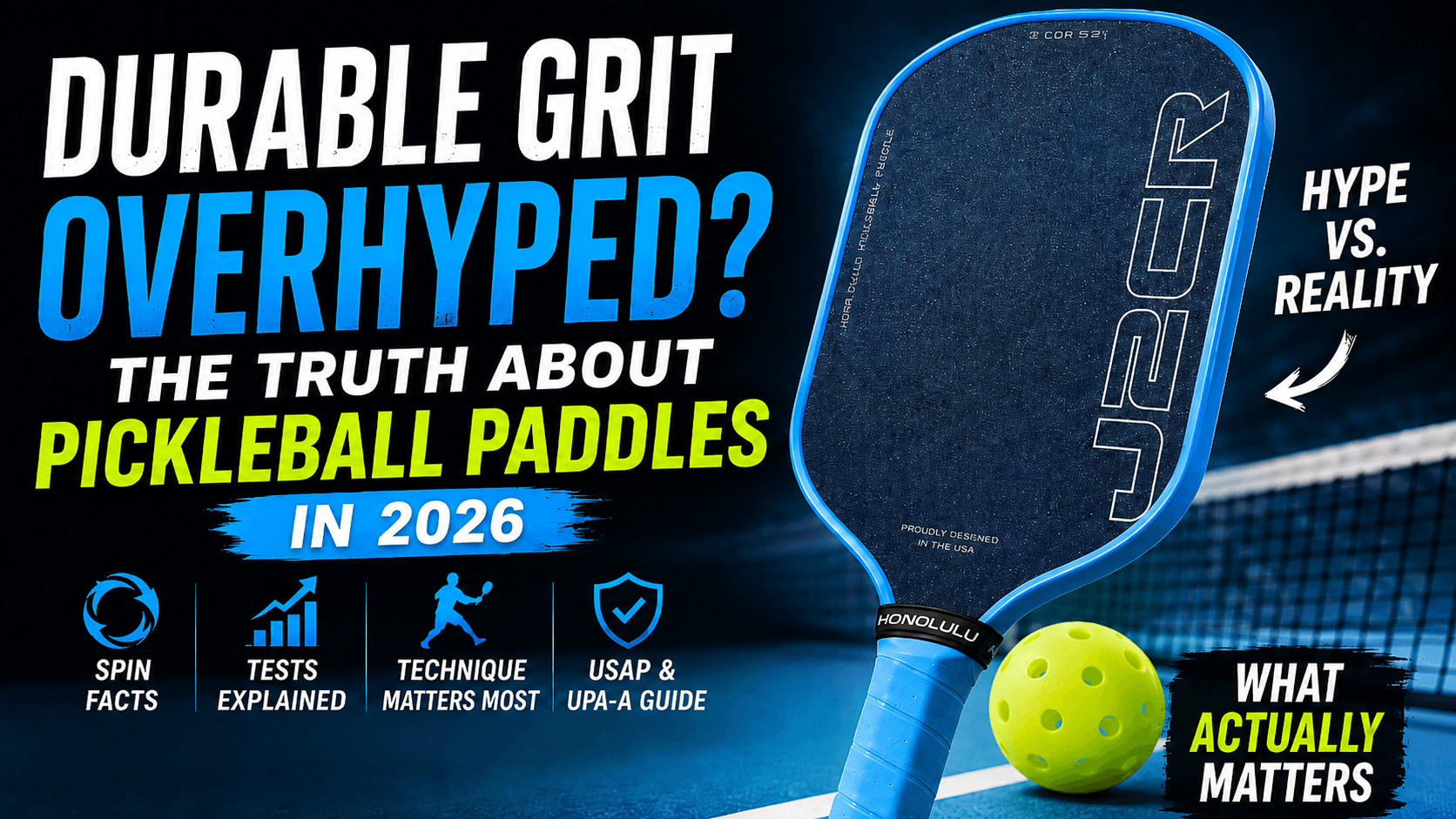
A durable grit pickleball paddle can be a real upgrade, especially if you play high volume and rely on heavy topspin. But the durable grit conversation has gotten way out of hand. Honolulu’s Crystal Blue Endurance surface is one of my favorite surfaces on the market right now, and I still think the hype around durable grit has outpaced reality.
If you’re playing a modern raw carbon fiber paddle and you’re happy with your spin, control, and results, you probably do not need to panic-buy a new paddle. You may get more out of a lesson, a better swing path, or more drilling than you will from chasing the newest surface technology.
TLDR: A Durable Grit Pickleball Paddle Is Good, But It Is Not Magic
Durable grit is a legitimate paddle innovation. A durable grit pickleball paddle can help maintain spin performance longer than traditional raw carbon fiber, especially as a paddle wears down over time.
But that does not mean every player needs it. Most strong paddles released in the last year already generate excellent spin out of the box. For many players, the difference between raw carbon fiber and a durable grit pickleball paddle is smaller than the marketing makes it sound.
- High-volume spin players: a durable grit pickleball paddle can be worth it.
- Rec and intermediate players: technique probably matters more.
- Tournament players: check the exact paddle approval before entering an event.
- Players already happy with their paddle: you are probably fine.
Every Good Paddle Already Generates Serious Spin
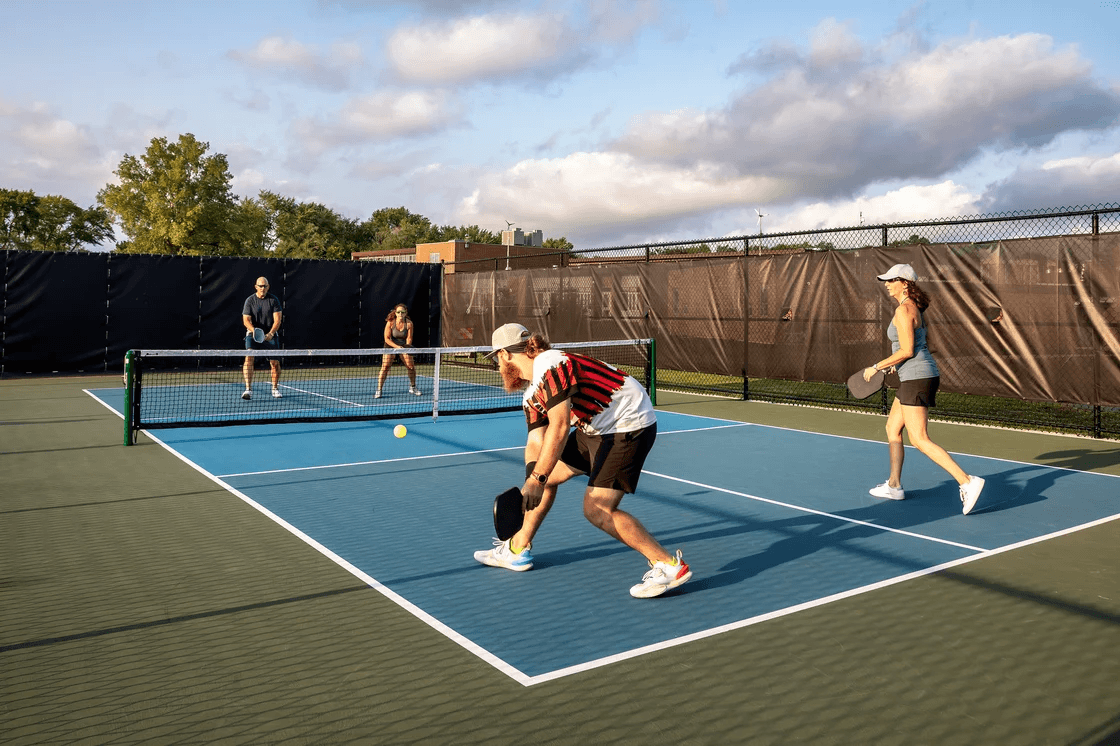
Let’s start here because this is the part nobody in the paddle space leads with: almost every good paddle released recently generates strong spin.
The standard for pickleball paddle spin has gone way up. Paddles like the JOOLA Pro V line can rip spin even with faces that feel mostly smooth to the touch. The Gherkin Draco line, which has been my go-to since I got my hands on it, uses a raw carbon fiber style surface and still generates elite spin. The Bread & Butter Loco is another good example.
If you walked into a Spinwave store today and bought almost any modern paddle from a reputable brand, spin probably would not be your biggest issue. That is the baseline now, and it is a very good baseline.
So when the durable grit pickleball paddle conversation starts with “you need this for spin,” I want to pump the brakes. You probably do not.
What Spin Tests Actually Measure
I want to be careful here because I review paddles myself, and I respect reviewers who put real effort into objective testing.
When you see someone measure RPMs with a high-speed camera and radar setup, they are usually measuring the highest spin ceiling that paddle can generate under that reviewer’s swing, arm speed, technique, and testing conditions.
That data is useful, but it does not tell the whole story.
It does not tell you how much spin you will generate on roll drops, aggressive topspin dinks, resets, or lower-speed shots. Those are the shots where many points are actually decided.
It also does not remove the player variable. One reviewer may average 1,900 RPMs. Another may average 2,200 RPMs. That difference often says as much about the player’s technique as it does about the paddle.
Technique Still Matters More Than Surface
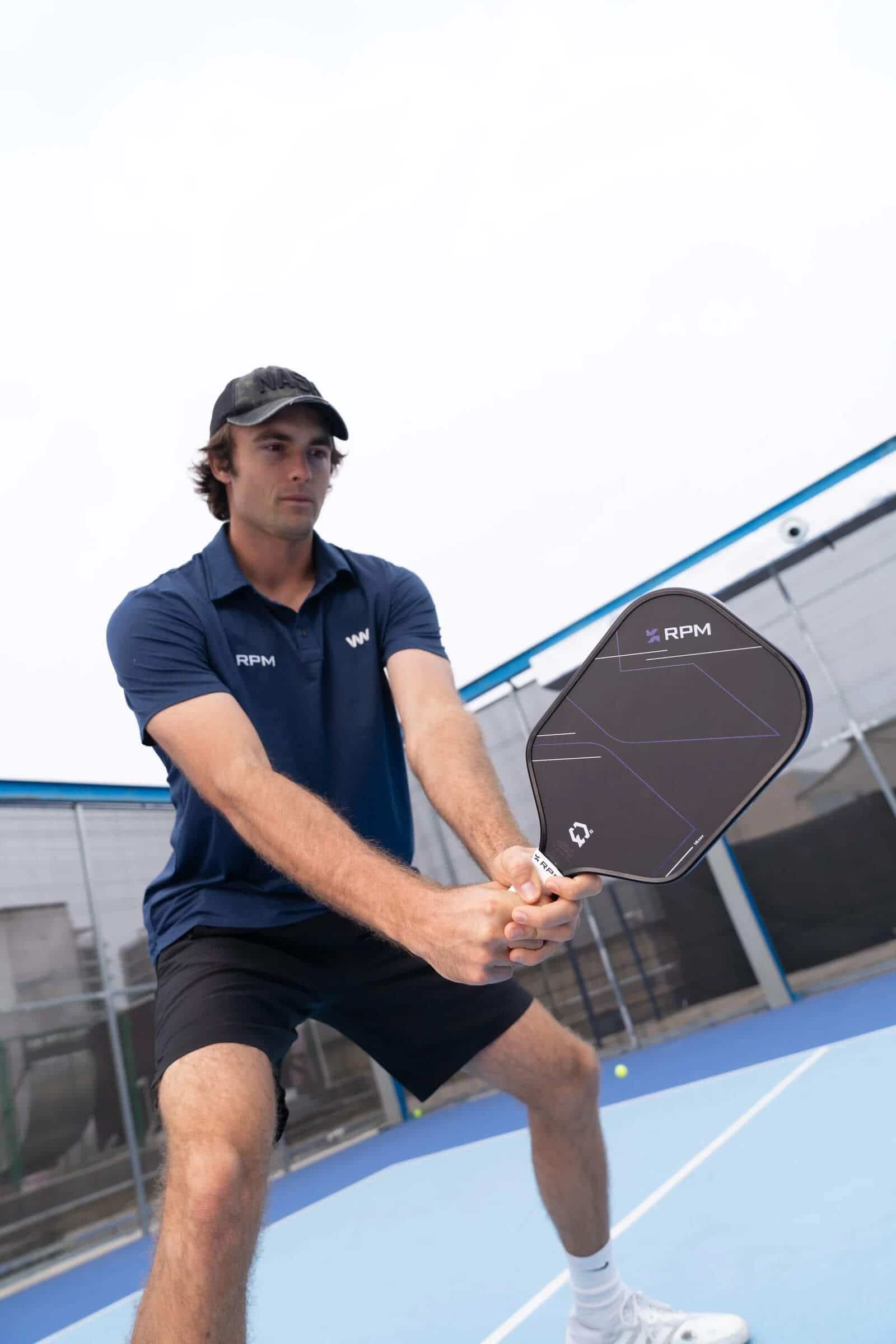
This is the part that might sting a little: your grip and swing path usually matter more than your paddle surface.
If you play continental full time and hit everything flat, your spin output will look completely different from someone using a semi-western grip with a low-to-high swing path. Same paddle, very different result.
That technique gap is usually larger than the difference between two paddle surfaces.
A durable grit pickleball paddle can be most noticeable on softer spin shots, like topspin dinks, roll drops, and controlled kitchen pressure. Those are the shots where the texture can physically grab the ball more. But on full drives and aggressive swings, modern core construction is doing a lot of the work too.
That is why a smooth-feeling modern paddle can still generate huge spin. The paddle face matters, but the core, swing path, contact point, and player technique all matter too.
My Personal Case Study
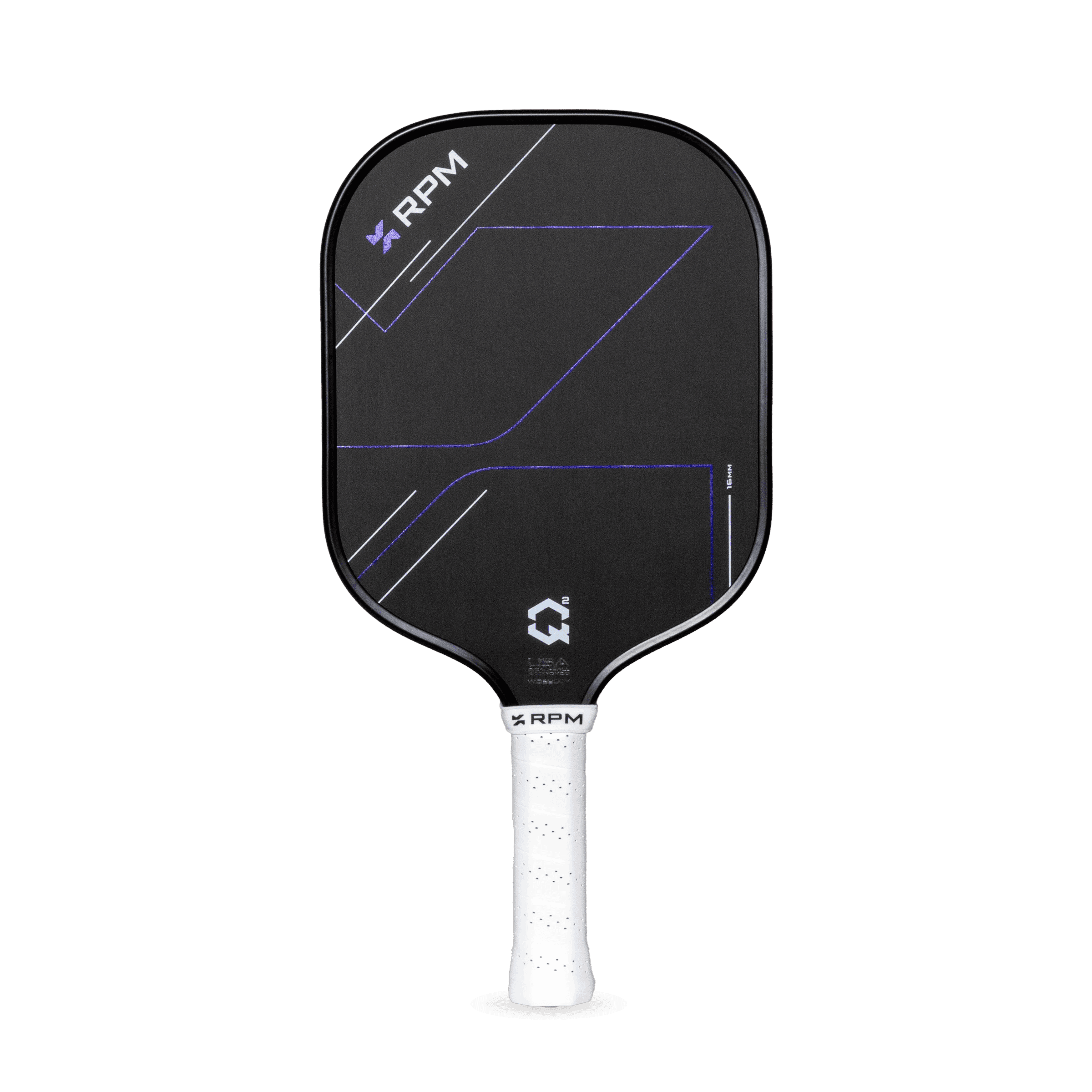
I mained the RPM Q2 Widebody 16mm and the Bread & Butter Loco Widebody for a long stretch, especially the Q2. Both are traditional raw carbon fiber style surfaces, and both saw heavy play.
Compared to brand new versions of those paddles, the spin on my worn units is still very playable. My Loco is basically smooth on the face at this point, and I still notice plenty of spin.
The biggest drop-off I feel is on aggressive topspin dinks and softer touch shots. On full swings and drives, I do not feel a massive difference between a worn raw carbon fiber surface and a fresh one.
I have also been playing the Gherkin Draco line since I got it. It is not a durable grit pickleball paddle, but two months in, the spin generation is still right there with the Crystal Blue Endurance surface on my Honolulu CR units.
None of this means durable grit is fake. It is real. But the gap between a well-chosen raw carbon paddle and a durable grit pickleball paddle, especially in the first few months of play, is not always as big as the marketing suggests.
RPM Q2 16MM Elongated Pickleball Paddle
$249.99
RPM Q2 16MM Elongated Pickleball Paddle The RPM Q2 is the launch model of RPM’s new Q Series, developed in collaboration with legendary paddle engineer and reviewer John Kew. Built as a refined full-foam performance paddle, the Q2 is designed… read more

When a Durable Grit Pickleball Paddle Is Worth It
I am not here to bury durable grit. I am here to give it an honest grade.
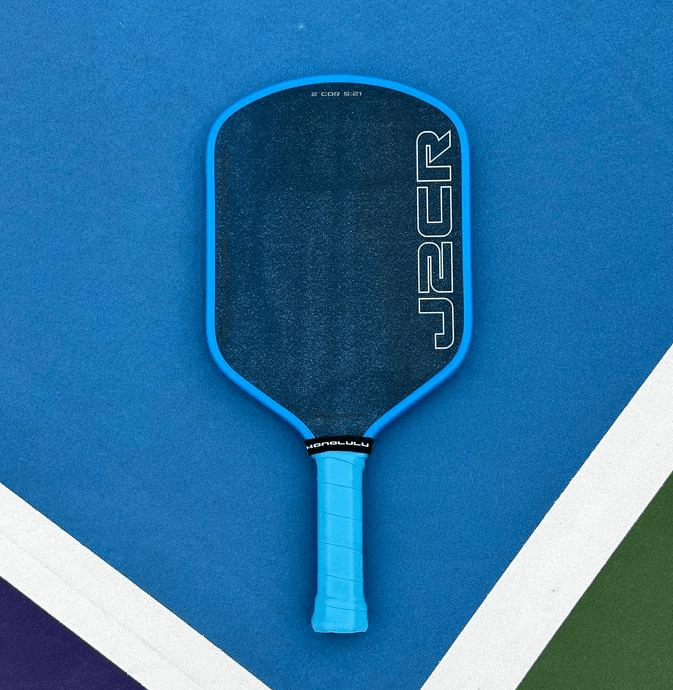
Honolulu’s Crystal Blue Endurance is one of my favorite durable grit surfaces right now. When it is right, it feels impressive, especially for players who want long-term spin consistency.
A durable grit paddle is worth prioritizing if:
- You play a lot and want your paddle surface to stay consistent longer.
- You use heavy topspin on serves, rolls, dinks, and drives.
- You have tested raw carbon and durable grit side by side and clearly feel the difference.
- You are already buying a new paddle and want the newest surface technology.
It may not matter as much if:
- You are still developing your spin mechanics.
- You play a flatter, more continental style.
- You mostly play casual rec games.
- You are already performing well with your current paddle.
- You compete in events where your exact paddle certification matters.
Product Pick: Honolulu Crystal Blue Endurance
Honolulu J2CR Crystal Blue Endurance Surface
The J2CR Crystal Blue is a strong choice for players who want a hybrid shape, fast hands, big sweet spot, and long-lasting surface texture.
Honolulu Pickleball Sword & Shield J2CR Crystal Blue Endurance Surface™
$195.00
HONOLULU Pickleball Company J2CR Pickleball Paddle The J2CR is Honolulu's next-generation hybrid power paddle, built for players who want explosive pop, heavy spin, quick hand speed, and a large, confidence-inspiring sweet spot. Featuring Core Reactor™ with Dynamic PowerFlex Technology™, Control… read more

New to the lineup? Read our full Honolulu CR Series Review before choosing a shape.
The USAP and UPA-A Certification Question
This is where players need to be careful.
Some durable grit paddles are approved under UPA-A standards, but that does not automatically mean every version is approved for every USAP-sanctioned event. Tournament rules can vary, and paddle approval can depend on the exact model, surface, and event requirement.
If you compete, do not assume. Check the current approval database and ask your tournament director before using any paddle in a sanctioned event.
For casual players, this may not matter much. For tournament players, it matters a lot.
What You Should Actually Do
If you are playing well with a raw carbon fiber paddle, stop letting gear hype mess with your head.
The most important metric is not whether your paddle has the newest surface. It is whether you are playing well with it.
If you want more spin, the best investment may not be another paddle. It may be a lesson or clinic focused on swing path, grip, pronation, and contact point. Learning how to go low to high on the outside of the ball will help your spin more than chasing surface technology without the technique to use it.
Now, if you are already in the market for a new paddle, durable grit is absolutely worth considering. It is especially appealing if you play often, hit heavy topspin, and want surface performance that lasts longer.
But if you are buying a new paddle only because a review made your current paddle feel outdated, save your money. Your paddle is probably fine.
Final Take
Durable grit is real. It matters. The companies pushing surface technology forward deserve credit.
But the durable grit pickleball paddle conversation has also been hijacked by marketing language, spin test numbers without enough context, and player FOMO.
The truth is simpler: most good modern paddles generate excellent spin, raw carbon fiber lasts longer than many players think, and your technique has more to do with your spin output than any surface ever will.
Play the paddle that makes you confident. Drill your technique. If you want durable grit too, great. There are excellent options. Just do not let the hype convince you that you are leaving something massive on the table because your paddle face does not have a fancy coating.
You are probably fine. Go play.
Pick up your next paddle at Spinwave Pickleball and use code JDPB at checkout to save 10%.
Questions? Find me at @threefiveforever on Instagram or drop a comment below. See you on the courts.
FAQs
Is durable grit actually worth it on a pickleball paddle?
It depends on your game. Durable grit is most useful for high-volume players and spin-heavy players who want consistent surface performance over time. For many rec and intermediate players, technique matters more than the surface.
Does raw carbon fiber generate less spin than durable grit?
Out of the box, many raw carbon fiber paddles generate excellent spin. Durable grit is more about maintaining surface texture and spin consistency longer as the paddle wears.
Why do spin test numbers vary between reviewers?
Spin tests depend on the reviewer’s swing speed, technique, contact quality, setup, and testing conditions. RPM numbers are useful, but they do not perfectly predict what every player will generate in a real match.
Are durable grit paddles legal in USAP tournaments?
Not always. Approval depends on the exact paddle, surface, and event rules. Tournament players should check the current approval list and confirm with the tournament director before playing.
What is the best durable grit paddle surface in 2026?
In my personal testing, Honolulu’s Crystal Blue Endurance is one of the best durable grit surfaces available right now, especially for players who want long-term spin consistency.
Should I buy a new paddle just to improve my spin?
If you are already playing well, probably not. A lesson focused on grip, swing path, and topspin mechanics will usually help more than buying a new paddle just because it has a newer surface.
What is the difference between USAP and UPA-A paddle certification?
USAP and UPA-A use different approval systems. Some paddles may be approved under one standard but not the other, so competitive players should check the exact certification required for their event.
FAQs
Spinwave
Spinwave