
Table of Contents
- Quick Summary: Seattle Pickleball Courts Could Be Cut
- What Is Happening in Seattle?
- Why Seattle Parks Wants to Separate Tennis and Pickleball
- Why Pickleball Players Are Upset
- Why Some Residents Support the Change
- The Pickleball Noise Problem
- Are Shared Tennis and Pickleball Courts the Problem?
- The Bigger Picture: Pickleball Growth vs Court Access
- What Other Cities Can Learn From Seattle
- Spinwave Take: Pickleball Needs Better Infrastructure
- Related Spinwave Links
- Final Thoughts
- FAQs
Seattle pickleball courts are at the center of a heated debate after a city proposal called for removing dozens of shared pickleball courts from existing tennis facilities. The proposal has players frustrated, residents divided, and city officials trying to solve a problem that is becoming more common across the country: pickleball is growing faster than public court infrastructure can handle.
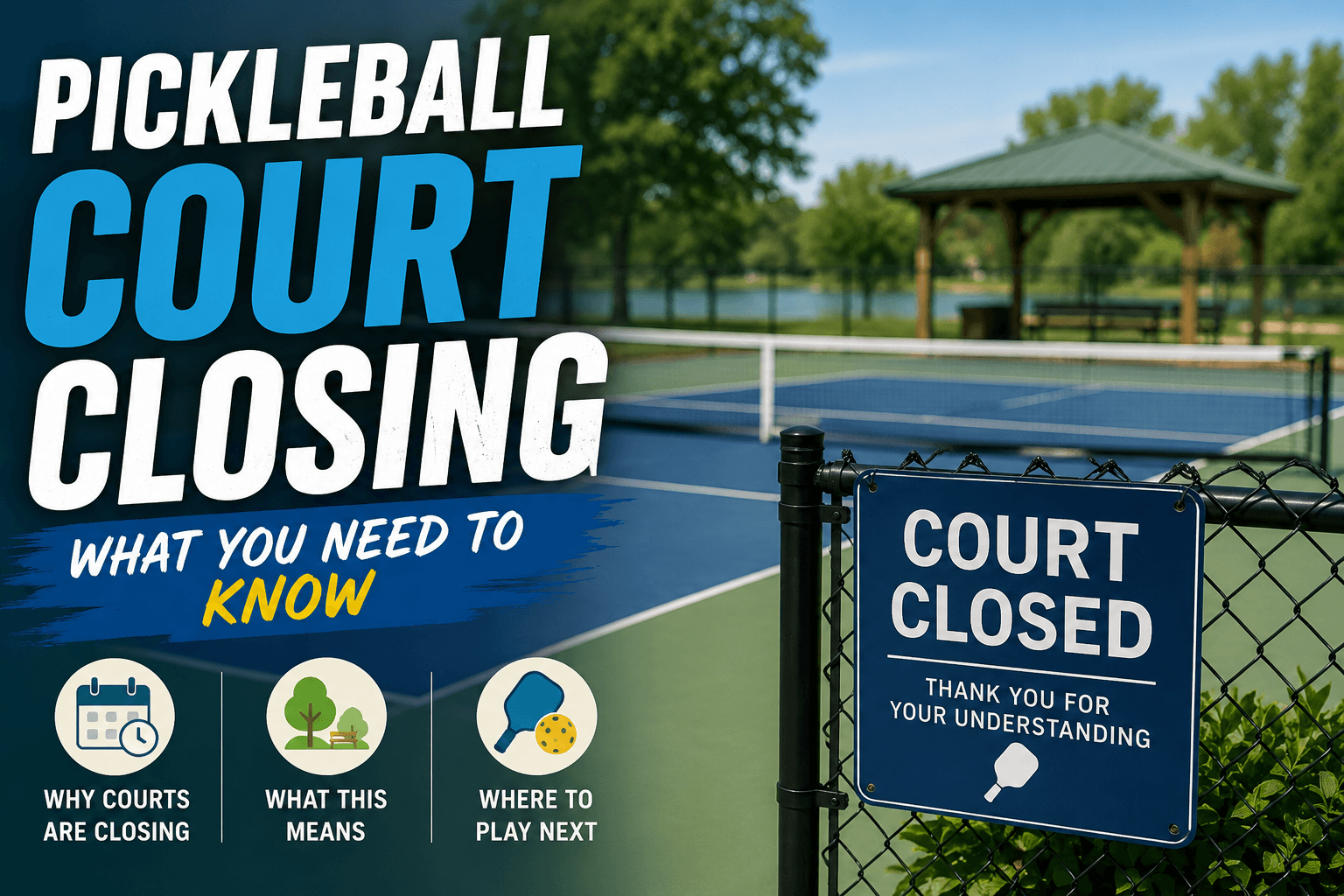
Under Seattle Parks and Recreation's draft Outdoor Racquet Sports Strategy, the city is looking at separating tennis and pickleball use at several shared court locations. That could reduce Seattle pickleball courts from 92 down to 56, removing more than 30 shared pickleball courts across the city.
For pickleball players, the message is simple: they want access. For some nearby residents, the issue is quality of life, especially noise. And for city parks departments, the challenge is figuring out how to support a fast-growing sport without creating constant conflict between pickleball players, tennis players, and neighborhoods.
Quick Summary: Seattle Pickleball Courts Could Be Cut
Seattle Parks and Recreation has released a draft racquet sports strategy that could remove pickleball striping from several shared tennis sites. The proposal would reduce Seattle pickleball courts from 92 total public courts down to 56.
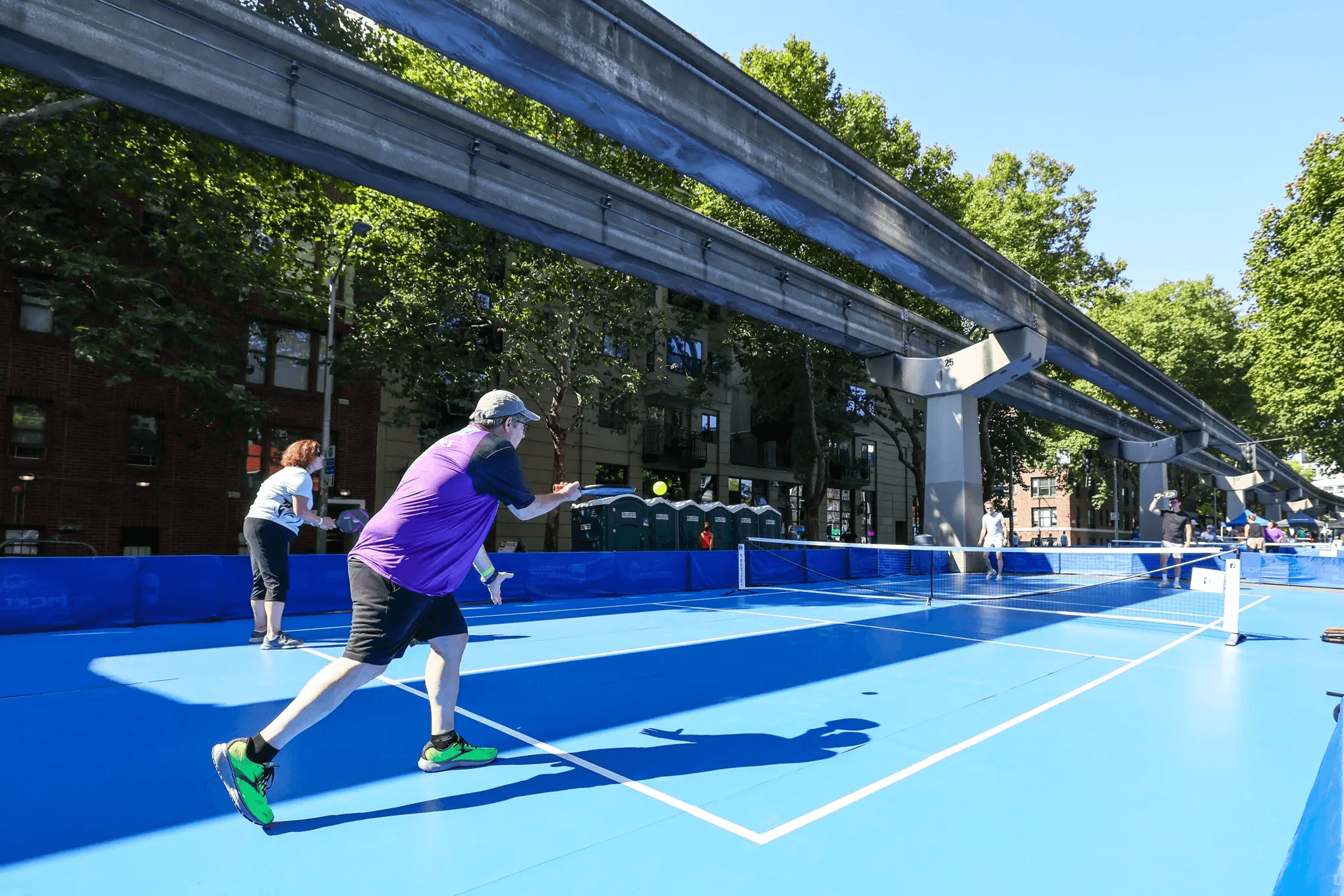
The debate comes down to a few major issues:
- Pickleball demand has grown quickly.
- Many courts are shared between tennis and pickleball.
- Seattle Parks says shared courts are creating conflicts.
- Players say removing courts will make wait times and travel worse.
- Some residents say pickleball noise affects their daily life.
- The city is trying to separate tennis and pickleball use more clearly.
This is not just a Seattle issue. It is a preview of what many cities may face as pickleball keeps growing.
What Is Happening in Seattle?
Seattle's draft Outdoor Racquet Sports Strategy says shared tennis and pickleball courts are creating too many conflicts. The city originally used dual striping as a fast and affordable way to add pickleball access to existing tennis courts, but the approach has become harder to manage as participation has grown.
According to the proposal, several locations currently used for both tennis and pickleball would become tennis-only courts again. That would remove dozens of Seattle pickleball courts from the city's public system.
For players, the proposed loss of court access is a major problem. Many already deal with crowded courts, long waits, and limited availability. Removing courts could make it even harder for people to find places to play, especially in neighborhoods where pickleball demand is already high.
For the city, the goal is not necessarily to attack pickleball. The goal is to reduce conflict, manage noise, and create a more organized racquet sports system. But for players who depend on those shared courts, the proposal feels like a step backward.
Why Seattle Parks Wants to Separate Tennis and Pickleball
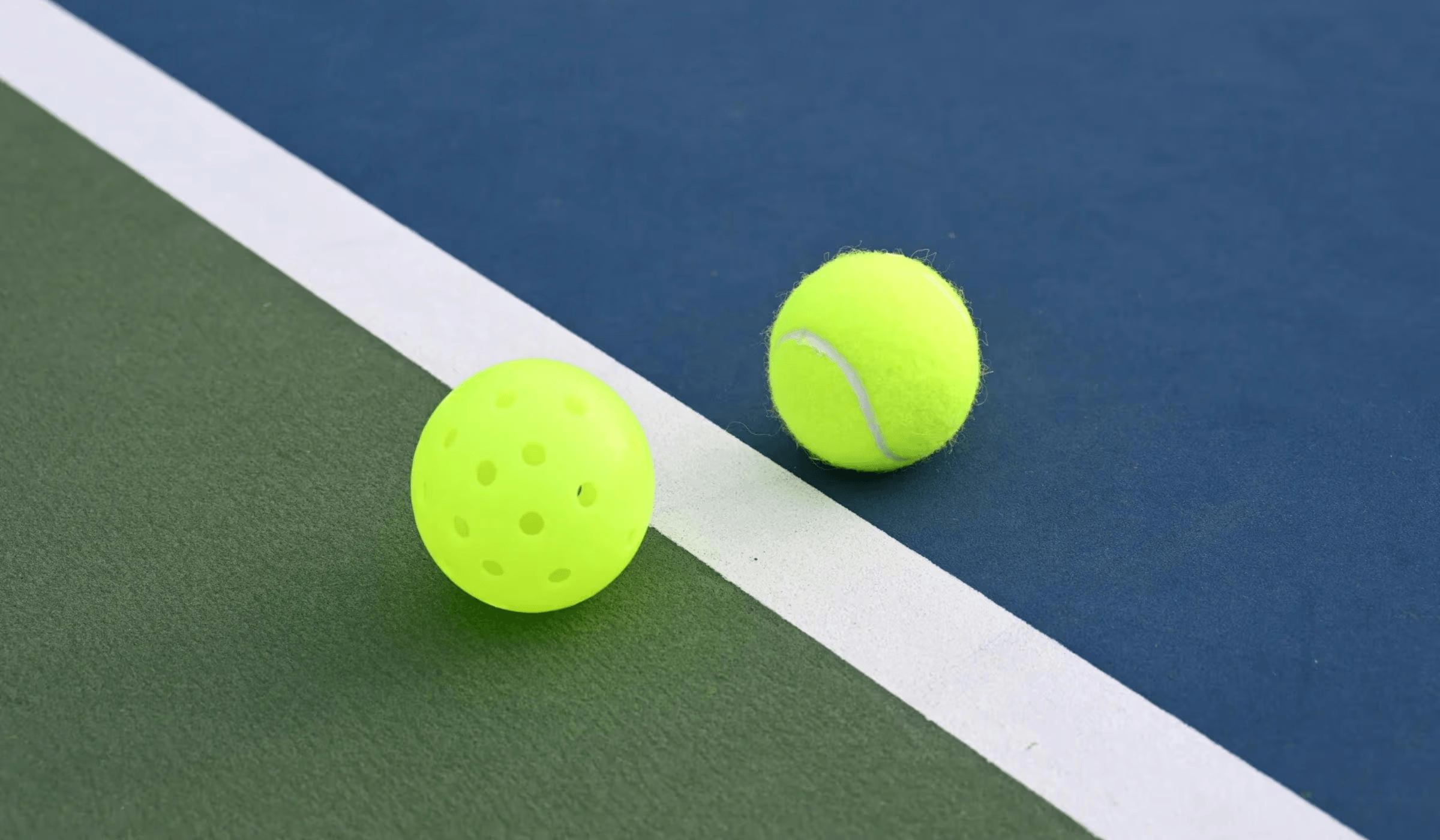
Seattle Parks and Recreation says the biggest issues are coming from dual-use courts. These are courts that have lines for both tennis and pickleball.
Shared courts can seem like a perfect solution at first. Tennis courts already exist, pickleball can fit within the space, and cities can add access quickly without building new facilities from scratch. But once demand grows, shared use can create problems — which is part of why Seattle pickleball courts are now under review.
Common shared-court problems include:
- Pickleball and tennis players competing for the same space
- Players refusing to leave after reservations
- Large groups blocking long stretches of court time
- Unauthorized lines or temporary nets being added
- Noise complaints from nearby residents
- Confusion over which sport has priority
- Reservation conflicts and enforcement issues
From a parks department perspective, separating tennis and pickleball can make management easier. Dedicated courts reduce confusion. Players know where to go. Reservations are clearer. Noise planning can be more intentional.
The problem is that removing shared courts without replacing them can leave pickleball players with fewer places to play.
Why Pickleball Players Are Upset
Seattle pickleball players are upset because the proposal would reduce access at a time when demand is still growing. Players argue that Seattle pickleball courts are often packed while some tennis courts sit empty. From their perspective, removing pickleball lines does not reflect how public courts are actually being used.
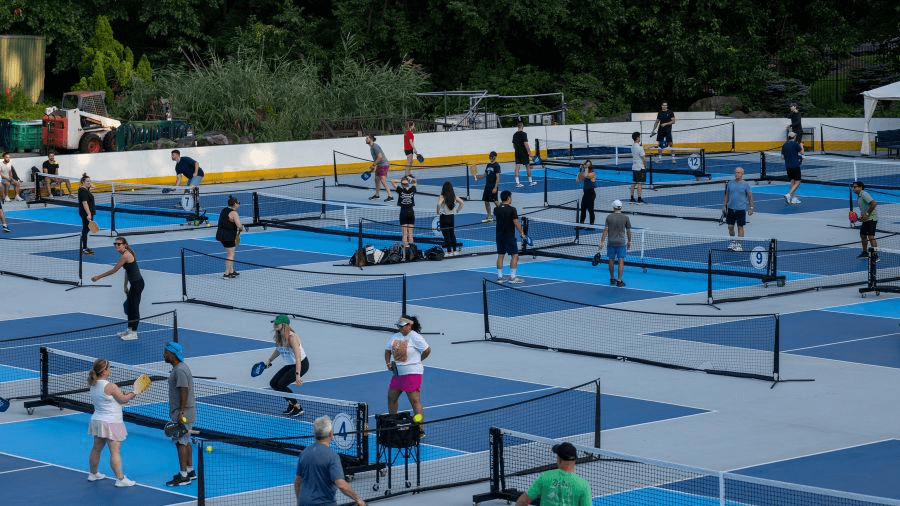
The main concerns from players are practical:
- Longer wait times
- Longer drives to available courts
- Less neighborhood access
- Fewer beginner-friendly public places to play
- Less spontaneous open play
- More crowding at the remaining pickleball courts
Pickleball is popular partly because it is accessible. People can show up, rotate in, meet other players, and get games without needing a private club membership. Public court access is a huge part of that culture.
When cities reduce public pickleball courts, they risk making the sport less accessible for casual players, older players, beginners, and people who rely on nearby neighborhood courts.
Why Some Residents Support the Change
Not everyone is against the proposal. Some residents who live near pickleball courts support moving courts indoors or farther away from homes because of noise.
Pickleball has a very distinct sound. The ball coming off the paddle creates a sharp "pop" that can carry, especially when multiple games are happening at once. For players, that sound is part of the game. For nearby residents, hearing it early in the morning or for hours at a time can become frustrating.
Resident concerns usually include:
- Early morning noise
- Repeated paddle and ball sounds
- Large groups gathering near homes
- Parking pressure
- Reduced quiet enjoyment of nearby homes
- Courts being used for long blocks of time
These concerns should not be dismissed. Pickleball growth is real, but so is the impact on neighborhoods when courts are placed too close to homes without sound planning, scheduling rules, or noise mitigation.
The Pickleball Noise Problem
Noise is one of pickleball's biggest infrastructure challenges, and it is one of the key reasons Seattle pickleball courts are under review. The sport is social, compact, and easy to play in groups, which means multiple games can happen close together. That is great for participation, but it can create a lot of repeated sound in one area.
The noise issue is especially important at outdoor public courts near residential neighborhoods.
Ways cities can reduce pickleball noise conflict:
- Use sound barriers or acoustic fencing
- Set reasonable court hours
- Avoid placing new courts too close to homes
- Consider indoor facilities in dense neighborhoods
- Use quieter paddle and ball technology when possible
- Create dedicated pickleball zones in better locations
- Limit large group reservations during sensitive hours
The solution is not simply "play everywhere" or "ban pickleball." Cities need thoughtful planning that gives players access while respecting nearby residents.
Are Shared Tennis and Pickleball Courts the Problem?
Shared courts are not automatically bad. In many communities, they are the fastest way to introduce pickleball. They are affordable, flexible, and useful when demand is still developing.
But shared courts can become a problem when both sports have strong demand and no clear system for scheduling, reservations, enforcement, and priority use. That is exactly the situation playing out with Seattle pickleball courts right now.
| Shared Court Benefit | Shared Court Problem |
|---|---|
| Fast way to add pickleball access | Creates tension with tennis players |
| Lower cost than building new courts | Can confuse reservations and priority use |
| Uses existing public space | May increase crowding and noise |
| Works well for low-demand areas | Can break down when demand is high |
Seattle's situation shows that shared courts can be a good short-term solution but may not be enough long term. Once pickleball reaches a certain level of popularity, cities likely need dedicated pickleball facilities.
The Bigger Picture: Pickleball Growth vs Court Access
The Seattle debate is part of a much bigger issue. Pickleball participation has exploded, but court construction has not always kept up. Many cities added pickleball lines to tennis courts as a quick fix. That helped at first, but now the demand is too large for temporary solutions.
Pickleball needs real infrastructure:
- Dedicated outdoor courts
- Indoor facilities
- Better reservation systems
- Beginner-friendly programming
- Noise-conscious planning
- Clear court etiquette rules
- Better relationships between tennis and pickleball communities
The sport has grown beyond the point where cities can treat it like a side activity squeezed onto leftover court space. Pickleball now needs planning, funding, and long-term public recreation strategy.
What Other Cities Can Learn From Seattle
The debate over Seattle pickleball courts should be a warning sign for other cities. Waiting until courts are overcrowded, neighbors are frustrated, and players are angry makes every solution harder.
Cities should plan ahead instead of reacting late.
Smart pickleball planning should include:
- Demand studies before removing courts
- Public input from players and residents
- Dedicated pickleball sites where possible
- Noise studies before new court construction
- Clear shared-court rules if dual use remains
- Reservation systems that prevent court monopolies
- Indoor options for dense residential areas
- Fair access for beginners, seniors, leagues, and casual players
The worst outcome is when cities pit tennis players, pickleball players, and residents against each other. The better approach is to recognize that all three groups have valid concerns and need a thoughtful plan.
Spinwave Take: Pickleball Needs Better Infrastructure
From Spinwave's perspective, the situation with Seattle pickleball courts shows how much pickleball has outgrown the old "just add lines to tennis courts" model.
That approach helped the sport explode. It gave players quick access. It made the game easier to try. It helped communities build momentum. But in many places, it is no longer enough.
Pickleball needs dedicated spaces. It needs beginner programming. It needs sound-conscious design. It needs indoor options. It needs real planning from cities, parks departments, clubs, schools, and private operators.
At the same time, players also have a responsibility to be good neighbors. That means respecting court rules, honoring reservations, not adding unauthorized lines or nets, keeping group play organized, and understanding that nearby residents may be affected by constant noise.
Pickleball grows best when access and respect grow together.
And no matter where you play — public courts, private clubs, indoor leagues, or outdoor tournaments — having the right paddle for your game matters. Whether you are a beginner using public courts for the first time or a competitive player driving across town for the next available court, gear that fits your style helps you make the most of every session:
Gherkin USA DRACO 16mm Pickleball Paddle - Hybrid
$179.99
New to Gherkin's lineup? See how this paddle compares to every other Gherkin shape before you commit. Read the complete Gherkin Guide → Gherkin USA DRACO Hybrid Pickleball Paddle The Gherkin USA DRACO Hybrid is built for players who want… read more

If you are new and just trying to figure out where to start, a free paddle consultation is the fastest way to find the right setup without overthinking it:
Free Paddle Consultation
$0.00
Free Paddle Consultation In-store or on a phone call. We’ll match you with the right shape, handle length, grip feel, and optional weighting — in about 10 minutes. Book Free Consult Browse Paddles What You’ll Get 2–3 personalized paddle recommendations… read more

Related Spinwave Links
- Get a free paddle consultation
- Shop all pickleball paddles
- Shop beginner & control paddles
- Shop all-court balanced paddles
- Shop pickleball shoes
- Shop pickleball bags
- Shop pickleball grips & overgrips
- Read Beginner Pickleball in Long Island
- Read About Pickleball Inc. and the Apollo $225M Investment
- Read DUPR Pickleball Rating: How It Works
- Read How Much Do Pro Pickleball Players Make?
Final Thoughts
The Seattle pickleball courts debate is about more than one city. It is about what happens when a fast-growing sport runs into limited public space, noise complaints, and outdated recreation planning.
Pickleball players need courts. Tennis players need courts. Residents deserve reasonable peace near their homes. Cities have to balance all of that while responding to one of the fastest-growing sports in the country.
The answer should not be simply removing access without a replacement plan. But it also should not be ignoring residents or pretending shared courts can solve every problem forever.
The future of pickleball will require better infrastructure, smarter planning, and more dedicated spaces. The situation with Seattle pickleball courts is just one example of a conversation many cities are going to have sooner or later.
Need help getting started with pickleball or finding the right gear? Visit Spinwave Pickleball or book a free paddle consultation. We can help you choose the right paddle, shoes, bag, grip, and accessories for the way you actually play.
FAQs
Is Seattle removing pickleball courts?
Seattle Parks and Recreation has proposed a draft racquet sports strategy that could reduce the city's public Seattle pickleball courts from 92 to 56 by removing pickleball use from several shared tennis and pickleball court locations.
Why would Seattle remove pickleball courts?
The city says shared tennis and pickleball courts have created conflicts, including reservation issues, players refusing to leave courts, unauthorized lines or nets, and complaints from the community about noise and access.
Why are Seattle pickleball players upset?
Players are upset because removing more than 30 Seattle pickleball courts would likely increase wait times, reduce neighborhood access, and make it harder for players to find public places to play.
Why do some residents support moving pickleball courts?
Some residents support moving pickleball courts because of noise concerns. The repeated paddle-and-ball sound can be disruptive, especially near residential areas and during early morning play.
Are pickleball courts louder than tennis courts?
Pickleball can sound louder or sharper because of the repeated pop of the ball off the paddle, especially when multiple games are happening close together. Noise impact depends on court location, surrounding buildings, hours of play, and sound mitigation.
Can tennis and pickleball share the same courts?
Yes, tennis and pickleball can share courts, but shared use can create problems when demand is high. Clear rules, scheduling, reservations, and enforcement are important if both sports use the same space.