
Table of Contents
- Quick Answer: Why Is There Such a Big Gap in Pro Pickleball?
- The S-Tier Elite: Making Real Money
- The A-Tier: A Comfortable Living, But Still a Hustle
- The D-Tier Nightmare: The Touring Tax
- The Tour Wars and the Contract Boom
- The Facility Boom: Where the Real Money Is Flowing
- The Middle Class Challenge
- Why the $4 Million Gap Matters
- Business Lessons from Pro Pickleball
- Related Spinwave Links
- The Bottom Line
- FAQs
- How much do top pro pickleball players make?
- Why is there such a big income gap in pro pickleball?
- Can lower-tier pro pickleball players make a living?
- Where is the real money in pickleball right now?
- What is the middle class problem in pro pickleball?
- Will pro pickleball salaries become more stable over time?
Pro Pickleball Economics: Why the Earnings Gap Is So Wide in 2026
Pro pickleball economics are more complicated than the highlight reels make it seem. The sport is exploding, prize money is growing, facilities are opening everywhere, and top players are building real businesses — but the gap between superstar earnings and lower-tier pro income is massive.
When you watch the pros smashing it on TV or social media, it is easy to assume every player is cashing in. We are talking about one of the fastest-growing sports in America, right? But the truth is more uneven. Unlike the NBA, NFL, or other mature professional leagues, pro pickleball is still a financial rollercoaster.
Pickleball has exploded into a massive business practically overnight. Courts are popping up, brands are investing, and pro tours are getting more attention. But that cash flow is not evenly distributed. For the elite few, the sport can be a financial gold mine. For many players grinding through qualifiers and lower-tier events, the math can be brutal.
This guide breaks down the real pro pickleball economics behind the scenes: superstar salaries, sponsorships, tournament expenses, facility growth, and the middle-class problem the sport still needs to solve.
Quick Answer: Why Is There Such a Big Gap in Pro Pickleball?
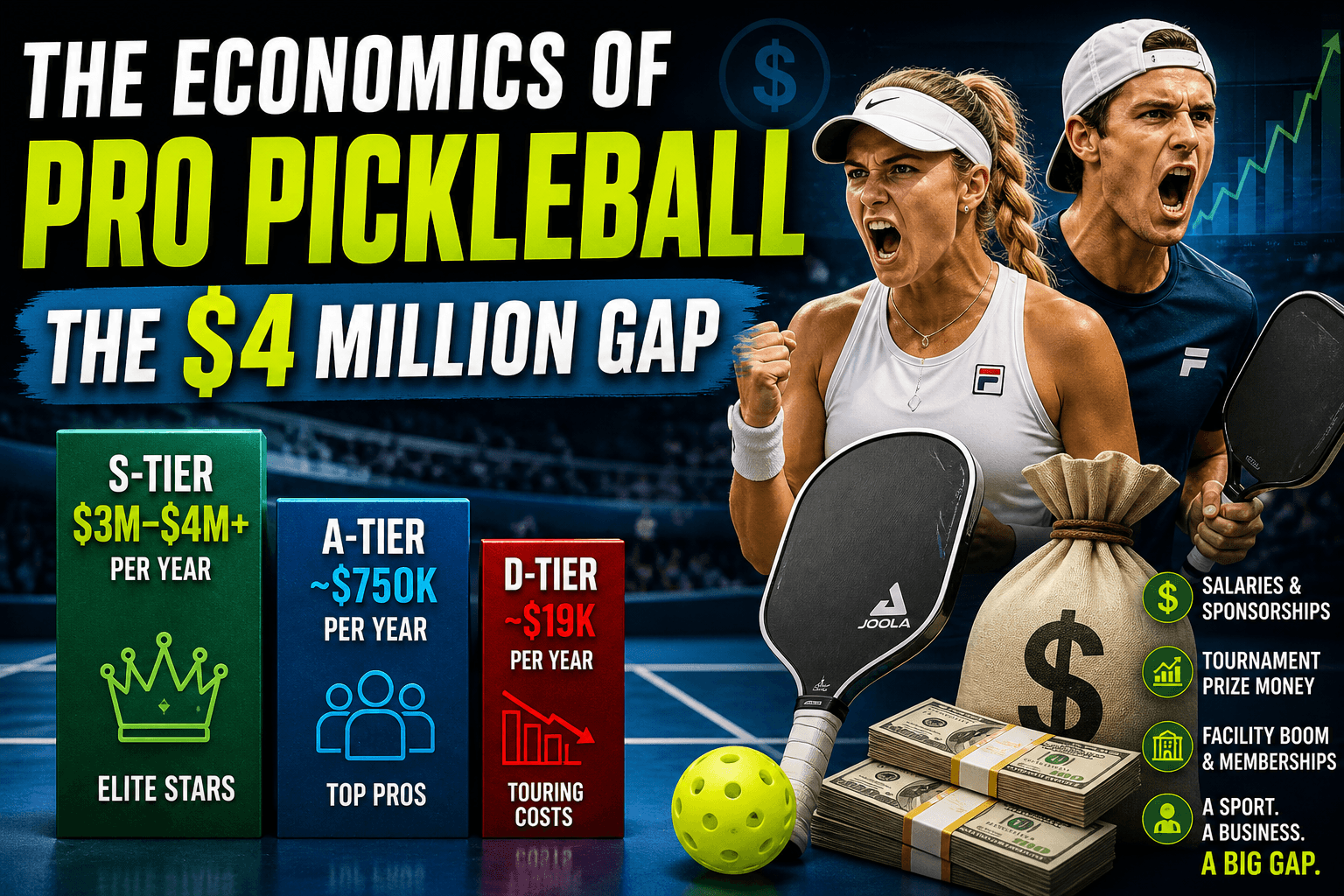
The biggest reason pro pickleball economics are so uneven is that the sport is still young. The top stars can earn serious money through league contracts, sponsorships, appearance fees, signature paddles, clinics, and content. Lower-tier players often rely on small prize payouts while paying for travel, entry fees, equipment, coaching, and recovery.
That creates a huge gap between the biggest names and the players trying to break through. The top of the sport is already becoming a real business. The bottom of the sport can still feel like paying to chase a dream.
The S-Tier Elite: Making Real Money
At the top of the pyramid, you have the S-Tier players. These are not just strong competitors. They are the athletes who have become marketable brands.
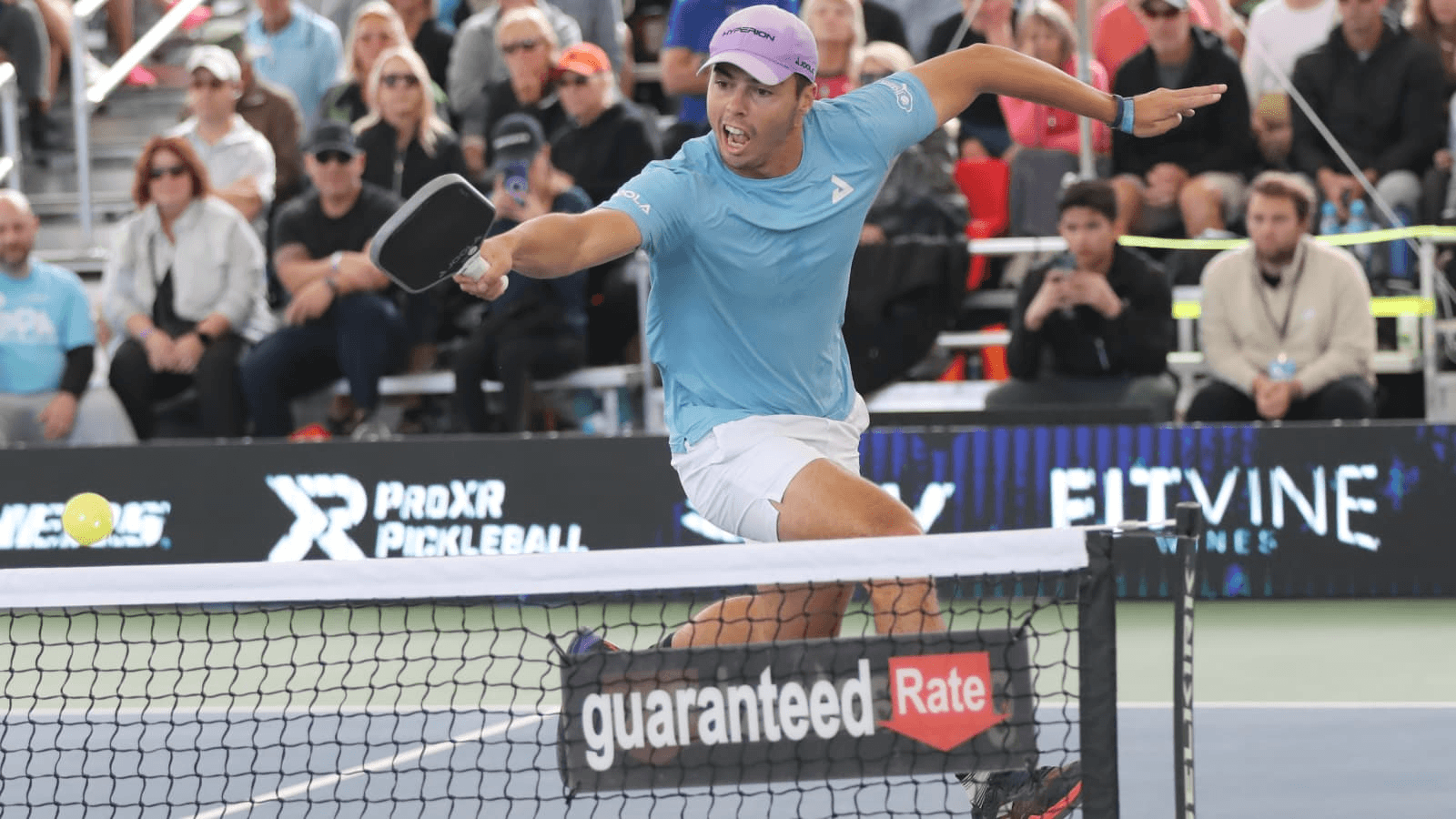
Players like Anna Leigh Waters and Ben Johns sit in a different financial category because they combine winning, visibility, influence, and product-moving power. Their money does not come from prize money alone. It comes from a mix of league contracts, sponsorships, appearance fees, paddle deals, royalties, clinics, and media presence.
JOOLA Ben Johns Perseus Pro V Blaze Red 16mm Pickleball Paddle
$299.95
Also Available Perseus Pro V — 14mmSnappier feel, more pop on counters, and a lighter swing. Better for fast hands and aggressive net play. View 14mm → JOOLA Ben Johns Perseus Pro V — Blaze Red • 16mm The most… read more

That is the key point. In pro pickleball economics, the biggest money is not always tied only to tournament results. It is tied to marketability. Sponsors are not just paying for skill. They are paying for reach, personality, credibility, and the ability to sell paddles, shoes, apparel, and gear.
This is similar to other sports, but pickleball’s young economy makes the gap feel more extreme. A few stars are building full-scale brands while many other players are still fighting to make the math work.
The A-Tier: A Comfortable Living, But Still a Hustle
Below the superstar tier, there is a group of recognizable, highly skilled, marketable pros who can still make a strong living. These are the players fans know, brands want to work with, and tournaments rely on for competitive depth.
A-Tier players may earn money from contracts, tournament results, clinics, signature gear, coaching, content, and appearances. They are not necessarily earning like the biggest two or three names in the sport, but they can still build real careers.
The challenge is that their income can be more fragmented. They may need to travel often, teach clinics, build social media, work with sponsors, and perform consistently to stay relevant. It is not just about playing well. It is about managing a personal brand and a business.
In that sense, the A-Tier pro is part athlete, part entrepreneur, part content creator, and part coach. That can be a good living, but it is still a hustle.
The D-Tier Nightmare: The Touring Tax
Then there is the group that makes pro pickleball economics feel harsh: the lower-tier pros and hopefuls trying to break into the scene without major contracts or consistent deep tournament runs.
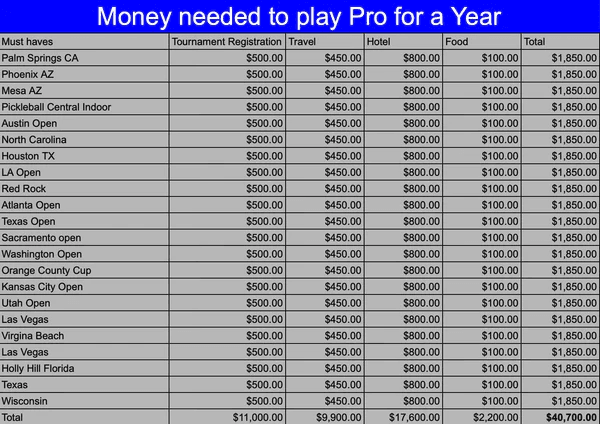
These players may earn some money through small prize payouts, local teaching, or small sponsorships. But their expenses can quickly outrun their income. Tournament entry fees, flights, hotels, rental cars, food, coaching, recovery, and replacement paddles add up fast.
A lower-tier player might be doing everything right from a competitive standpoint and still be losing money every season. That is the touring tax. You pay to travel, pay to compete, pay to train, and hope that results eventually unlock bigger opportunities.
This is not just a personal problem for those players. It is a structural problem for the sport. If too many emerging players cannot afford to keep competing, the talent pipeline gets weaker.
The Tour Wars and the Contract Boom
To understand how the wealth gap widened, you have to understand the tour and league competition that drove player contracts higher. When leagues compete for top talent, the best and most marketable players gain leverage.
That can be great for stars, because it validates the sport and proves that elite pickleball players can command serious money. But it can also create an uneven economy where the top names lock in strong deals while many other players remain exposed to the grind of prize money and expenses.
A big compensation pool does not automatically mean every player is secure. How that money is distributed matters. If most of the value flows to the biggest names, the middle and lower tiers can still struggle.
That is normal in a young sport, but it creates pressure. As the sport matures, fans, players, sponsors, and leagues will all have to think about what a sustainable pro ecosystem should look like.
The Facility Boom: Where the Real Money Is Flowing
While players fight for contracts and prize money, a lot of the biggest business growth is happening off the court. Indoor pickleball facilities, clubs, franchises, memberships, leagues, clinics, pro shops, and events are becoming a major part of the pickleball economy.
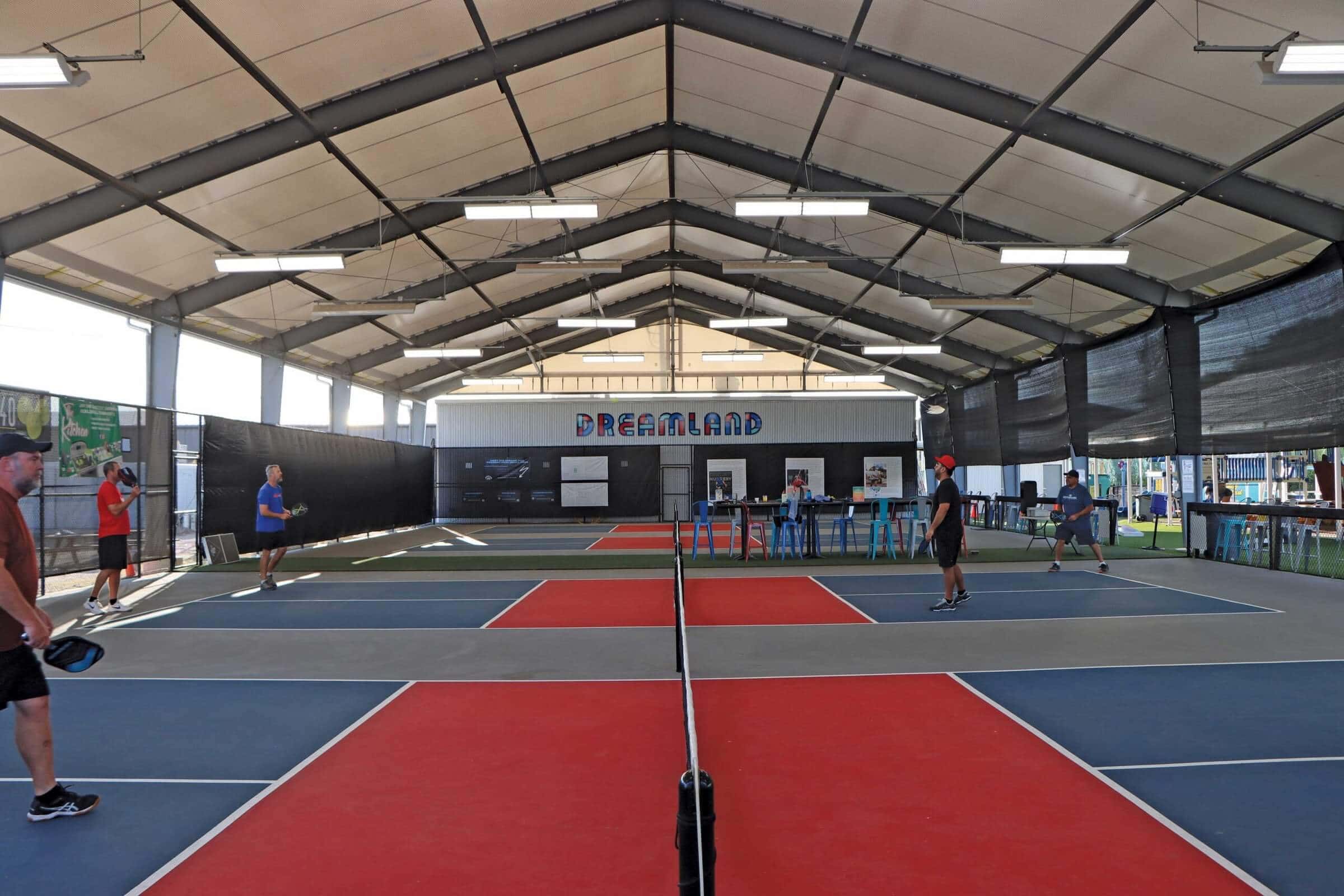
This matters because the facility boom creates money beyond tournament winnings. Facilities can generate revenue from memberships, court time, coaching, open play, leagues, food and beverage, retail, events, rentals, and corporate programming.
For pro players, that creates new opportunities. A player may not become rich through prize money alone, but they may be able to build clinics, coaching programs, branded events, academies, or partnerships with facilities.
In other words, the pro pickleball economics picture is not just about the tour. It is about the full ecosystem around the sport.
The Middle Class Challenge
For pickleball to mature as a professional sport, it needs a stronger middle class of players. Right now, the sport can feel like a tale of two extremes: superstar earners at the top and lower-tier players paying to chase the dream.
A healthy sport needs more than two or three famous names. It needs depth. It needs players ranked outside the top few who can still afford to train, travel, compete, and build careers.
Building that middle class requires more than bigger headlines. It requires better tournament structures, smarter scheduling, stronger sponsorship opportunities, more local earning opportunities, and sustainable support for developing players.
If the middle tier becomes stronger, the product gets better. Matches become more competitive. Rivalries become deeper. Fans have more players to follow. Sponsors get more storylines. Everyone wins.
Why the $4 Million Gap Matters
The income gap matters because it shows where pickleball is in its professional evolution. The sport has grown fast enough to create real stars, but it has not matured enough to create stable earnings across the full player base.
That is not unusual for an emerging sport. Early money often flows to the biggest names first. But if the gap stays too wide for too long, it can create problems.
Players may burn out financially. New talent may choose other sports or careers. Fans may see the same few names dominating without enough depth behind them. Sponsors may struggle to identify reliable long-term athletes outside the top tier.
The goal should not be to take money away from stars. Stars help grow the sport. The goal should be to create more ways for the next group of players to survive, improve, and become stars themselves.
Business Lessons from Pro Pickleball
The pro pickleball economics story also teaches a bigger business lesson: fast growth does not automatically mean even growth. A booming market can still have winners, losers, and pressure points.
The players who succeed financially are usually not only great on court. They understand brand, content, community, clinics, sponsorships, and business development.
That is why younger pros should think like entrepreneurs. Winning matters, but building an audience, teaching, creating content, and connecting with brands may matter just as much for long-term earning power.
In a sport moving this fast, the best players are not just athletes. They are small businesses.
Related Spinwave Links
Interested in the business and growth side of pickleball? These Spinwave links can help:
- Shop pickleball paddles
- Shop power pickleball paddles
- Shop all-court pickleball paddles
- Read more pickleball buying guides
- Get a free paddle recommendation
The Bottom Line
The economics of professional pickleball are a wild ride. The sport is growing quickly, the biggest stars are making real money, and the business ecosystem around facilities, events, gear, and content is expanding.
But the gap between the top and bottom of the sport is still massive. If you are at the top, pickleball can be a serious financial opportunity. If you are still trying to break through, it can be expensive, uncertain, and unforgiving.
As pickleball matures, the pressure will be on to grow the middle tier of professional players, create sustainable earning opportunities, and build infrastructure that supports more than just the biggest names.
For now, the pro pickleball hustle is real. The game is booming, but only a select few are cashing in big. The rest are grinding hard, fueled by passion, hoping their shot is next.
FAQs
How much do pro pickleball players make?
Pro pickleball player income varies widely. The top stars can make significant money through contracts, sponsorships, appearance fees, clinics, and equipment deals, while lower-tier pros may earn very little after travel, entry fees, coaching, and equipment expenses.
Why is there such a big gap in pro pickleball salaries?
The gap exists because pickleball is still a young professional sport. The biggest stars attract the most sponsorship money and media attention, while lower-tier players often rely on smaller prize payouts and have to cover major travel and tournament costs.
Can lower-tier pro pickleball players make a living?
Some lower-tier pros can make a living through coaching, clinics, content, local sponsorships, and part-time work, but many struggle to cover the cost of competing. Tournament expenses can easily outweigh prize money for players without contracts.
Where is the real money in pickleball?
The real money in pickleball is spread across several areas: top player contracts, sponsorships, paddle deals, facilities, memberships, leagues, clinics, events, gear sales, and media. For many people, the strongest business opportunities are off the court.
Why do top pickleball players earn so much more?
Top pickleball players earn more because they combine elite performance with marketability. Sponsors pay for visibility, influence, credibility, and the ability to sell products, not just tournament wins.
What needs to change for pro pickleball to grow?
Pro pickleball needs a stronger middle class of players. That means better earning opportunities, smarter scheduling, more sponsorship support, stronger player development, and structures that help more pros survive financially while competing.
Why is there such a big income gap in pro pickleball?
Pro pickleball economics are uneven because the sport is still young. Tour leagues compete for the biggest names with major contracts, while lower-tier players rely on small prize payouts. The money is concentrated at the top, leaving the middle and bottom tiers exposed to travel costs and entry fees.
Can lower-tier pro pickleball players make a living?
Most lower-tier pros struggle to break even. Tournament entry fees, travel, hotels, coaching, and recovery costs often exceed prize winnings. This is the touring tax — players pay to compete in hopes of climbing into A-tier or S-tier earning territory.
Where is the real money in pickleball right now?
The biggest growth in pickleball economics is happening off the court. Indoor facilities, club memberships, leagues, clinics, retail, and corporate events are generating revenue that rivals or exceeds tour earnings. For pros, partnering with facilities or building academies is often more lucrative than chasing prize money.
What is the middle class problem in pro pickleball?
Pro pickleball economics currently look like two extremes: a handful of superstars earning millions and a large group of lower-tier players paying to compete. A healthy sport needs a strong middle tier of pros who can train, travel, and compete sustainably without going broke.
Will pro pickleball salaries become more stable over time?
Probably, but it depends on tour structure, sponsorship distribution, and facility growth. As the sport matures, the goal is to expand earning opportunities beyond the top two or three names — through better tournament formats, more local revenue, and stronger development pathways for emerging players.