
Table of Contents
- Quick Answer: What Paddle Should Tennis Players Use?
- Understanding Your Tennis Swing
- Why Tennis Players Need a Different Type of Pickleball Paddle
- What Tennis Players Should Look For in a Pickleball Paddle
- Topspin Baseliner vs Flat Hitter: Which Type Are You?
- Best Paddle Shape for Tennis Players
- Should Tennis Players Use a 14mm or 16mm Paddle?
- Top Pickleball Paddles for Tennis Players
- Key Buying Factors
- Related Paddle Links
- Conclusion: Best Pickleball Paddles for Tennis Players
- FAQs
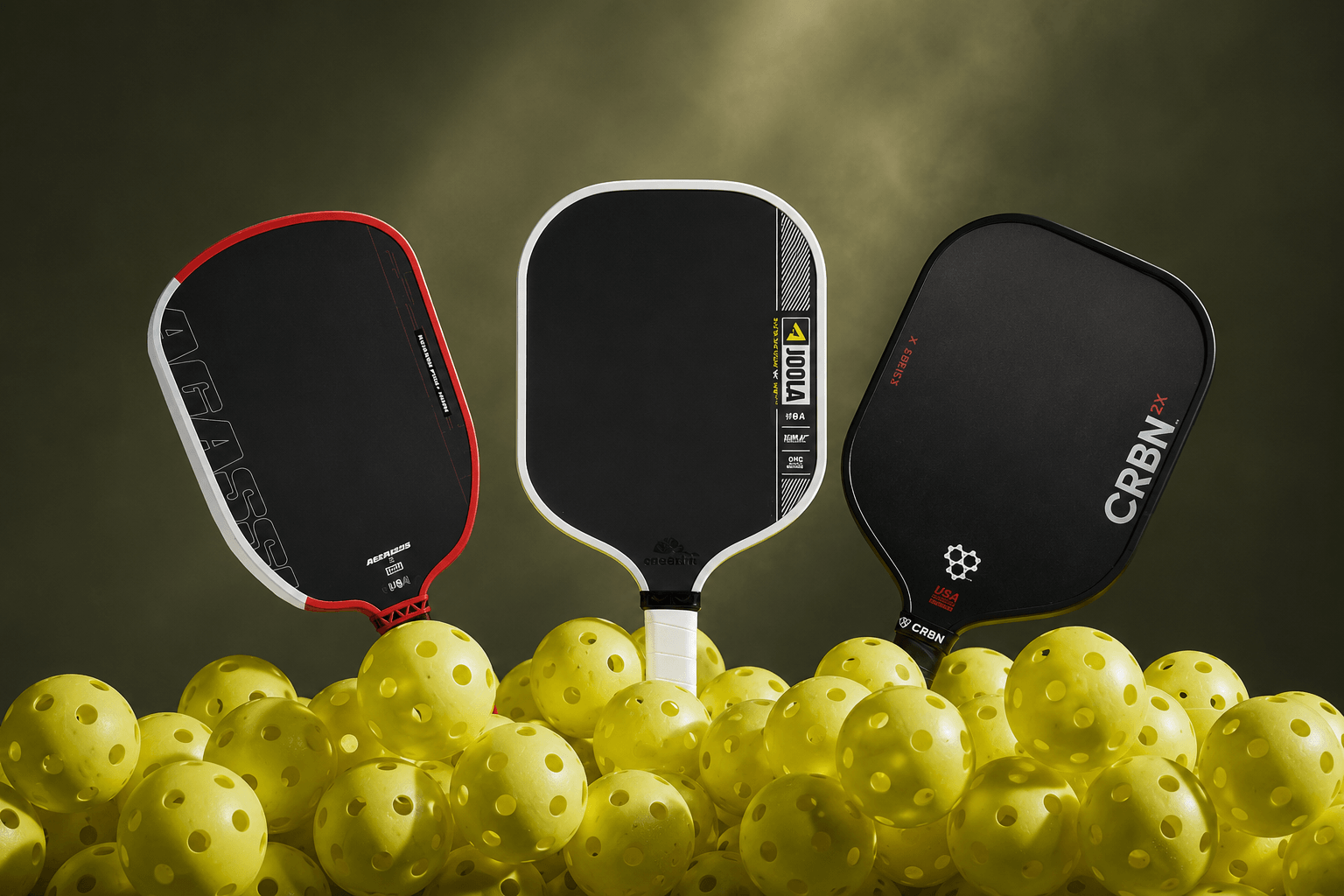
This guide to pickleball paddles for tennis players is built to help former tennis players choose the right paddle based on swing style, handle length, paddle shape, spin, power, and control. If you are transitioning from tennis to pickleball, the right paddle can make the game feel more natural from day one.
Transitioning from tennis to pickleball can be exciting, but it comes with its own equipment challenges. You already understand footwork, spacing, spin, contact points, and how to build a point. The challenge is that pickleball is not just mini tennis.
The ball moves differently, the court is smaller, the kitchen changes decision-making, and the paddle reacts much faster than a tennis racquet. That means the best pickleball paddles for tennis players are usually not beginner paddles. They are paddles that help you use your natural swing while still giving you enough touch for the short game.
Understanding how your tennis swing translates into pickleball mechanics is the key to choosing the right pickleball paddles for tennis players.
Quick Answer: What Paddle Should Tennis Players Use?
The short answer from this guide to pickleball paddles for tennis players: most former tennis players should start with a 16mm elongated or hybrid pickleball paddle. Elongated paddles give you more reach, leverage, and a familiar swing path. Hybrid paddles give you a better mix of reach, forgiveness, hand speed, and control.
Topspin baseliners usually do well with elongated paddles that offer spin, dwell time, and enough power to finish points. Flat hitters often do better with hybrid paddles that add stability and forgiveness while still giving enough pop for drives and counters.
The safest starting point for most former tennis players is a 16mm all-court paddle with a longer handle and a spin-friendly surface.
Understanding Your Tennis Swing
Before choosing from the best pickleball paddles for tennis players, think about the type of tennis player you are. A heavy topspin baseliner and a flat attacking player do not need the exact same paddle.
Topspin Baseliner
- High racket head speed
- Compact, rhythmic strokes
- Baseline positioning
- Heavy spin to control depth
Topspin players benefit from paddles that enhance spin and control. You want enough surface bite to roll the ball, enough dwell time to shape shots, and enough power to attack when the ball sits up. This is one of the most important categories to consider when looking at pickleball paddles for tennis players.
Flat Hitter
- Linear, aggressive strokes
- More direct contact through the ball
- Frequent net approaches
- Heavy drive pressure
Flat hitters need paddles that maximize stability, predictable launch, and controlled power. If you already hit through the ball hard, too much paddle pop can make the transition harder.
Why Tennis Players Need a Different Type of Pickleball Paddle
If you are coming from tennis, you already have a major advantage. You understand footwork, spacing, spin, contact points, and how to build a point. But pickleball is not just mini tennis.
The biggest adjustment for most tennis players is learning how to control power. In tennis, you have more court to work with and more time to swing through the ball. In pickleball, the kitchen changes everything.
A paddle that feels powerful from the baseline can become difficult to control during resets, dinks, counters, and fast hand exchanges. That is why pickleball paddles for tennis players usually do best when they offer a mix of reach, spin, stability, and controlled power. The right pickleball paddles for tennis players let you use your full swing without giving up the soft game.
You want something that lets you use your natural swing mechanics but still gives you enough touch to handle the soft game.
What Tennis Players Should Look For in a Pickleball Paddle
The best pickleball paddles for tennis players usually have a few things in common. They tend to offer a longer handle, a responsive face, good spin potential, and enough stability to handle aggressive drives and counters.
1. Longer Handle Length
Many tennis players are used to using two hands on the backhand side. If that sounds like you, grip length matters. A longer handle gives you more room to set both hands comfortably, especially when driving through the ball or rolling a two-handed backhand from the baseline.
Even if you use a one-handed backhand, a longer handle can still help the paddle feel more familiar. It creates a slightly more tennis-like balance and gives you more leverage on serves, returns, and offensive shots.
2. Elongated or Hybrid Shape
Elongated paddles are popular with tennis players because they provide extra reach and a more familiar swing path. They can make serves, returns, and baseline drives feel more natural.
Hybrid paddles are also a great option because they give you a blend of reach, speed, and forgiveness. If you are still learning the kitchen game, a hybrid paddle may be easier to control than a very long, power-heavy elongated paddle.
3. Spin-Friendly Surface
Tennis players often rely on topspin to control depth and shape the ball. In pickleball, spin still matters, especially on serves, returns, rolls, and passing shots.
A textured carbon fiber, raw carbon, or grit-style surface can help you generate more spin and keep aggressive shots from sailing long. If your game is built around heavy topspin, make sure the paddle has enough dwell time and surface texture to let you brush the ball effectively.
4. Controlled Power
A lot of tennis players immediately gravitate toward the most powerful paddle they can find. That can work for some advanced players, but it can also create problems fast.
Pickleball rewards controlled aggression. You need enough pop to attack, but not so much that every reset or block flies high. The sweet spot for pickleball paddles for tennis players is usually an all-court paddle or a power paddle with enough control built in.
Topspin Baseliner vs Flat Hitter: Which Type Are You?
Not every tennis player swings the same way. Some players come from a heavy topspin baseline game, while others hit flatter, drive through the court, and look to attack early. Understanding your tennis style makes it much easier to choose from the best pickleball paddles for tennis players.
Topspin Baseliner
If you are a topspin baseliner, you probably like to shape the ball, create margin over the net, and use spin to bring the ball back down into the court. In pickleball, this style usually translates well to rolls, heavy serves, dipping returns, and aggressive third-shot drives.
Topspin players should usually look for paddles with:
- Strong spin potential
- Good dwell time
- A longer handle
- Enough control to shape the ball
- Enough power to finish points when the ball sits up
For this player, elongated paddles are often a natural fit. They give you more reach, more leverage, and a swing feel that makes sense coming from tennis.
Flat Hitter
If you are a flat hitter, you probably like driving through the ball with a more direct swing path. You may take the ball early, attack short balls, and look to finish points quickly.
Flat hitters should usually look for paddles with:
- Strong stability on contact
- A predictable launch angle
- Good forgiveness on off-center hits
- Enough pop for counters and speedups
- Control that keeps drives from flying long
For flat hitters, hybrid paddles can be a great choice. They give you power and stability without feeling too narrow or unforgiving.
Best Paddle Shape for Tennis Players
When it comes to pickleball paddles for tennis players, the best shape will usually be either elongated or hybrid. Both shapes give you enough reach and leverage to use your natural swing, but they play slightly differently.
Elongated Paddles
Elongated paddles are longer and usually slightly narrower. They are great for players who want reach, plow-through, and a more aggressive baseline feel. If you use a two-handed backhand or like to attack with heavy drives, an elongated paddle may feel very natural.
The tradeoff is that elongated paddles can be a little less forgiving than wider shapes. If you are newer to pickleball, you may need some time to adjust to the smaller sweet spot and faster kitchen exchanges.
Hybrid Paddles
Hybrid paddles sit between elongated and widebody shapes. They usually offer a strong balance of reach, forgiveness, hand speed, and stability. For many tennis players, this is the safest starting point because it gives you a familiar attacking feel without being too demanding.
If you want one paddle that can help you drive, reset, dink, counter, and defend, a hybrid shape is often the most balanced option.
Widebody Paddles
Widebody paddles are usually the most forgiving, but they may feel less natural for tennis players who are used to longer racquets and extended contact points. They can be excellent for control and blocking, but players with bigger swings may prefer the extra reach and leverage of an elongated or hybrid paddle.
Should Tennis Players Use a 14mm or 16mm Paddle?
Thickness is another important decision when choosing pickleball paddles for tennis players. In general, 14mm paddles feel faster and more powerful, while 16mm paddles usually provide more control, stability, and touch.
If you are an aggressive tennis player with compact strokes and good hand speed, a 14mm paddle can give you extra pop and quicker response. This can be useful for counters, speedups, and fast exchanges.
If you are still adjusting to pickleball or want more control at the kitchen, a 16mm paddle is usually the safer choice. The extra thickness can help with resets, blocks, and touch shots while still giving you enough power from your natural tennis swing.
For most former tennis players, we usually recommend starting with a 16mm all-court paddle unless you already know you want a faster, more explosive feel.
Top Pickleball Paddles for Tennis Players
Here are our top picks for pickleball paddles for tennis players, broken down by style and strength.
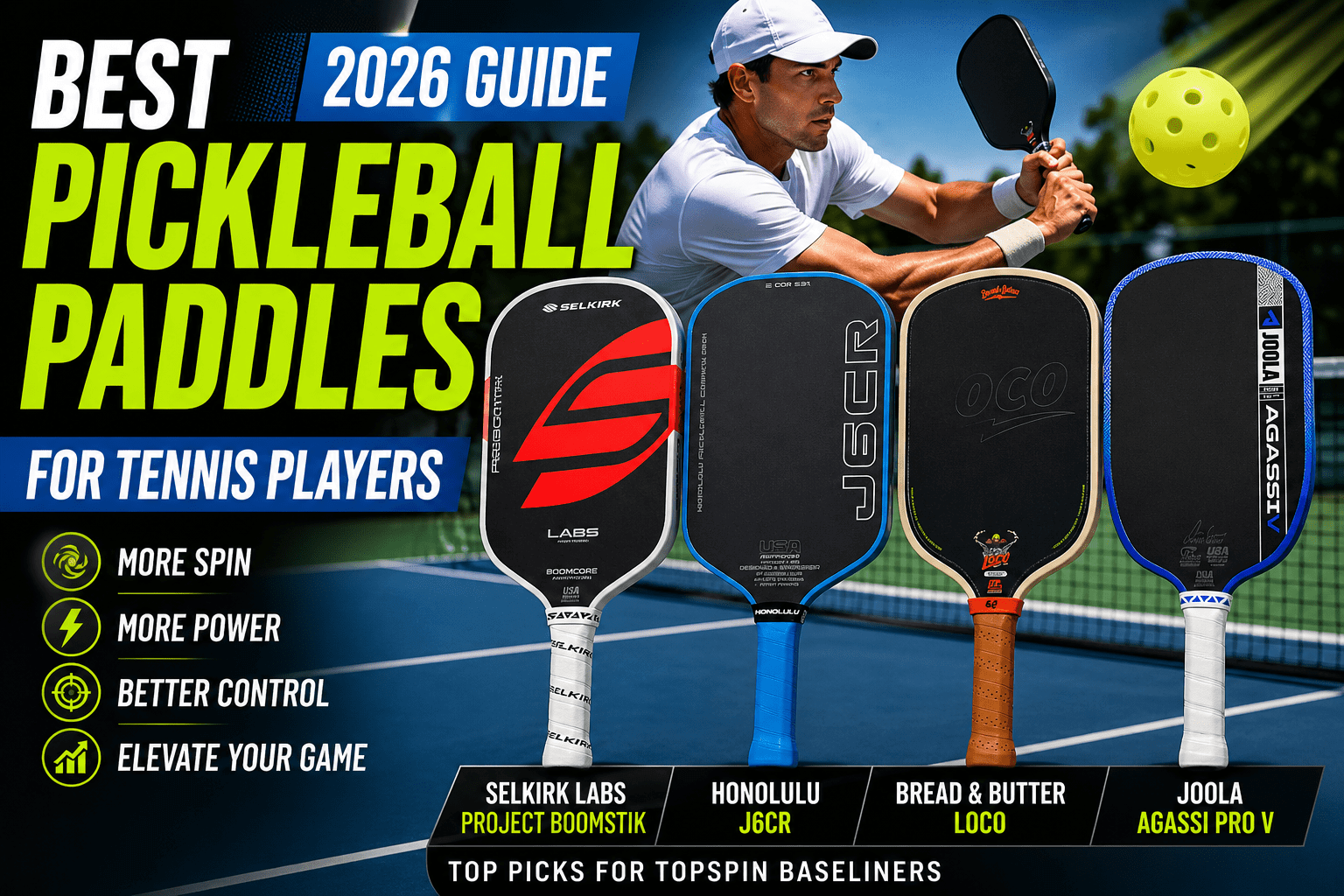
Selkirk LABS Project Boomstik
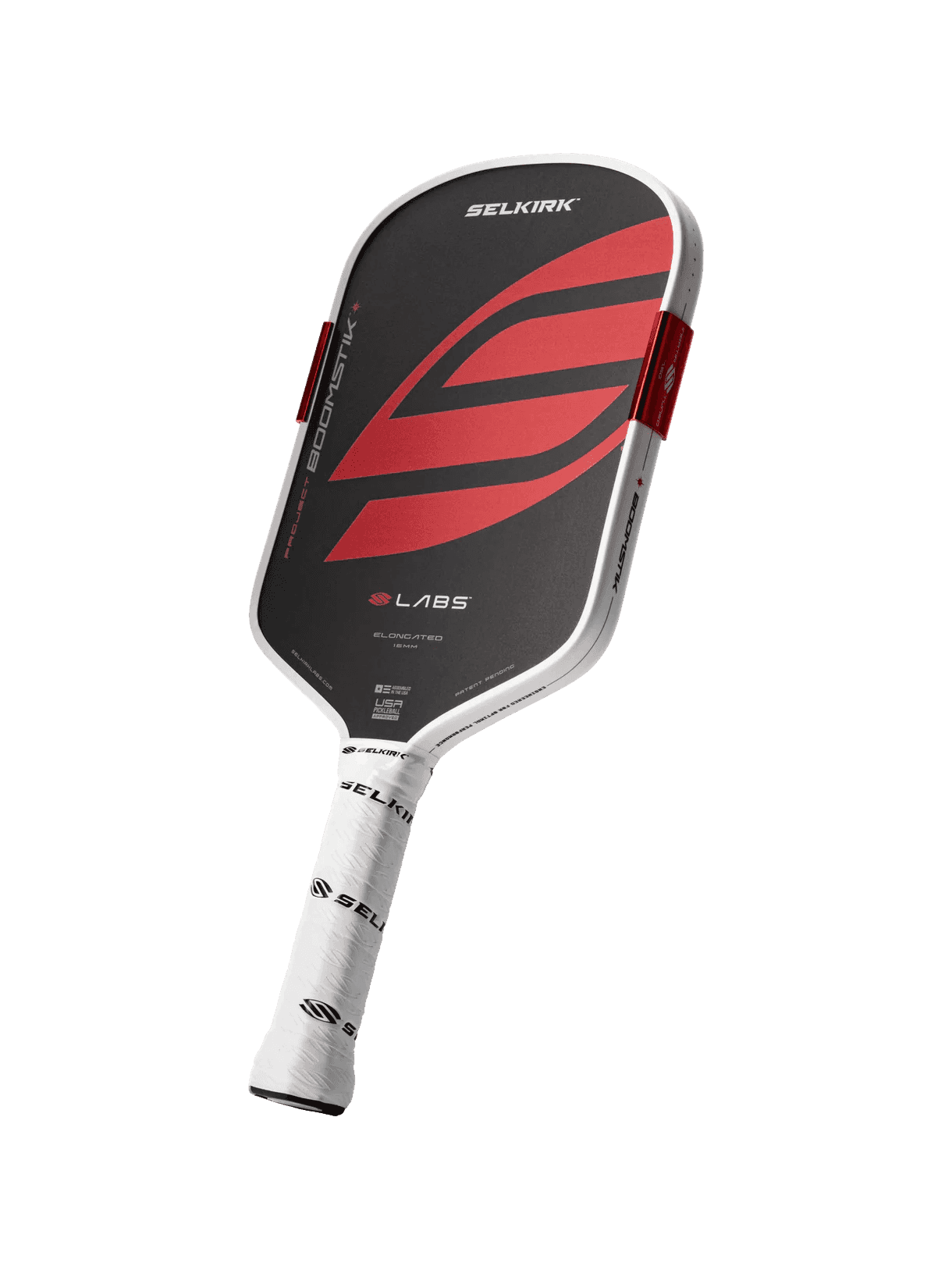
The Selkirk LABS Project Boomstik is an elite power paddle built for aggressive tennis players who want maximum pace, spin, and finishing ability. Among pickleball paddles for tennis players, it is a strong fit for baseliners and former tennis players who want their paddle to reward full swings.
- Core: BoomCore foam
- Surface: InfiniGrit
- Weight: 8.0–8.3 oz
- Handle: 5.8"
Honolulu J6CR
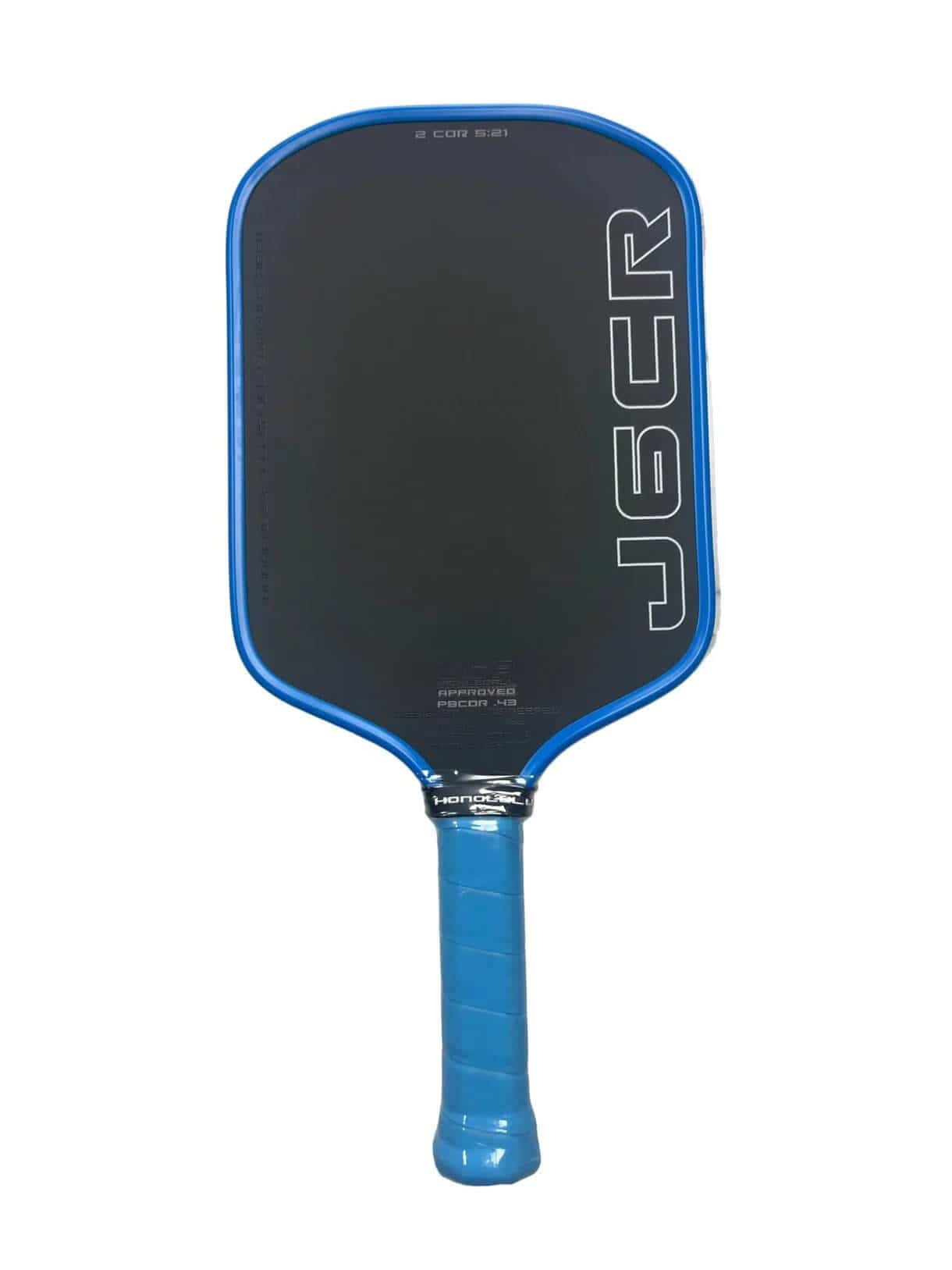
The Honolulu J6CR is a power-focused elongated paddle with strong plow-through and a long handle. It is a great option for tennis players who want reach, leverage, and a modern foam-core response.
- Core: Multi-density foam
- Surface: Carbon and fiberglass
- Weight: 8.0–8.2 oz
- Handle: 6"
Bread & Butter Loco
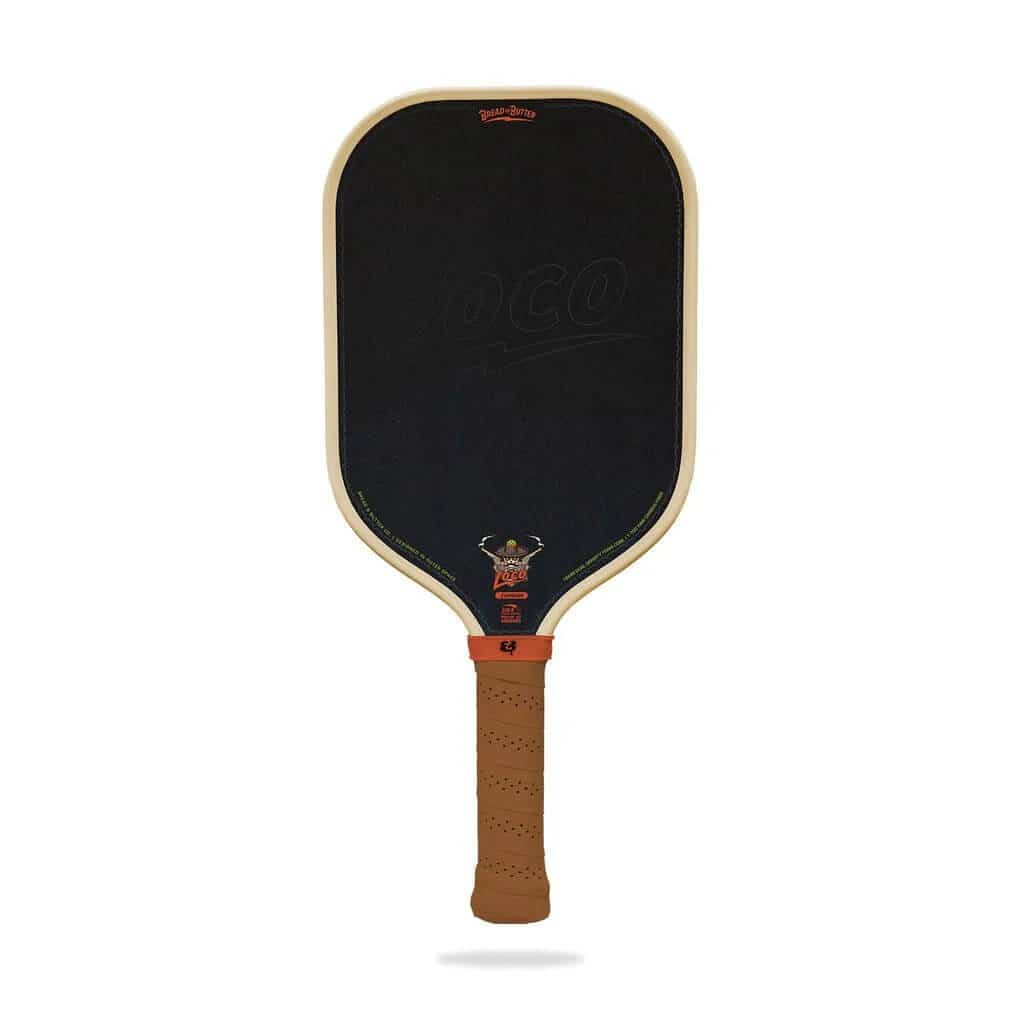
The Bread & Butter Loco is an explosive elongated paddle with controlled power. It is a good fit for tennis players who want offensive pressure but still need enough touch to manage resets and kitchen play.
- Core: Dual-density foam
- Surface: T700 carbon and fiberglass
- Weight: 8.0–8.2 oz
- Handle: 5.5"
The Loco 16mm Pickleball Paddle - Hybrid
$149.95
$199.00
Bread & Butter LOCO — Hybrid Balanced and Bold. The sweet spot between elongated reach and standard maneuverability—built to be a true all-court weapon. Use code LOCO to see discount in cart. 🧠 All-Court Built For Every Phase 🤲 Plush… read more

JOOLA Agassi Pro V
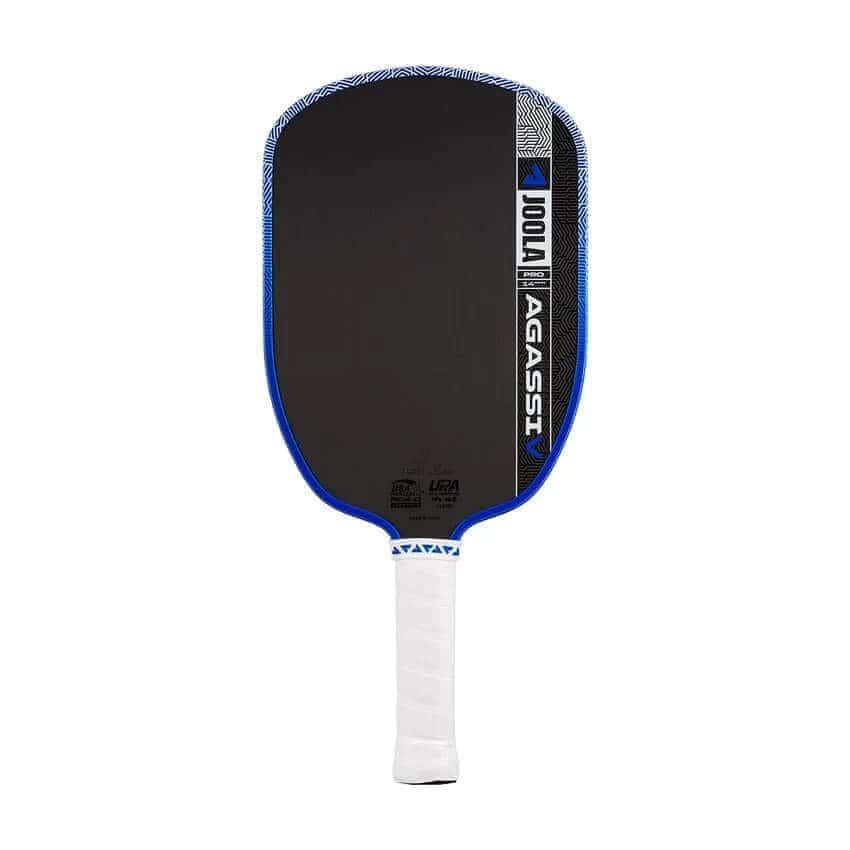
The JOOLA Agassi Pro V is one of the most natural pickleball paddles for tennis players because it is built around a tennis-inspired feel. It offers an elongated profile, balanced control, and a contact point that may feel familiar for players coming from a tennis background.
- Core: 14mm or 16mm options
- Design: High contact sweet spot
- Weight: Around 8.0 oz
- Best for: Tennis-style swing paths
JOOLA Agassi Pro V Andre Agassi Royal Blue 16mm Pickleball Paddle
$299.95
Also Available Agassi Pro V — 14mmQuicker pop, snappier response, and a lighter swing. Better for aggressive drives and fast exchanges. View 14mm → Graf Pro V 16mm — Thinner Grip (4.125")Same paddle, same shape. The Graf version has a… read more

Key Buying Factors
When shopping pickleball paddles for tennis players, these are the key factors to weigh:
- Grip length: Longer grips help with two-handed backhands.
- Weight: Head-light paddles feel faster, while head-heavy paddles add power.
- Surface: Textured surfaces help with spin, while smoother faces can feel more predictable.
- Shape: Elongated adds reach, while hybrid adds forgiveness and balance.
- Thickness: 16mm is safer for control, while 14mm is better for pop and speed.
Related Paddle Links
Still comparing paddle options? These Spinwave links can help:
- Shop JOOLA paddles
- Shop Selkirk paddles
- Shop Bread & Butter paddles
- Shop Honolulu paddles
- Shop power pickleball paddles
- Shop all-court pickleball paddles
- Shop all pickleball paddles
- Get a free paddle consultation
- Read more paddle buying guides
- Read The Overgrip Bible
Conclusion: Best Pickleball Paddles for Tennis Players
The best pickleball paddles for tennis players are usually elongated or hybrid paddles with longer handles, strong spin potential, controlled power, and enough forgiveness to help during the transition.
Topspin players should generally lean elongated. Flat hitters should usually consider hybrid. Most tennis players should start with 16mm unless they specifically want a firmer, faster, poppier response.
The right paddle makes your transition faster and your game better. Choose from the pickleball paddles for tennis players above to let your tennis strengths shine while building the touch, resets, and kitchen control that pickleball demands.
FAQs
What paddle shape is best for tennis players?
Most tennis players do well with elongated or hybrid pickleball paddles. Elongated paddles provide extra reach and leverage, while hybrid paddles offer a more balanced mix of reach, forgiveness, and hand speed.
Should tennis players use a 14mm or 16mm pickleball paddle?
Most tennis players should start with a 16mm paddle because it usually offers better control, touch, and stability. More advanced or aggressive players may prefer a 14mm paddle for extra pop and faster response.
Is a longer handle better for tennis players?
Yes, a longer handle is usually helpful for tennis players, especially those who use a two-handed backhand. It gives you more room for both hands and creates a more familiar feel when driving through the ball.
Are power paddles good for tennis players?
Power paddles can be good for tennis players, but they need to be manageable. Many tennis players already generate plenty of power, so the best option is usually a paddle with controlled power rather than the hottest paddle available.
What is the easiest paddle type for a tennis player switching to pickleball?
The easiest transition is usually a 16mm hybrid or elongated all-court paddle. This gives you enough reach and spin for tennis-style swings while still helping with resets, dinks, and control at the kitchen.
What is the best pickleball paddle for former tennis players?
The best pickleball paddle for former tennis players depends on swing style. Topspin baseliners often prefer elongated paddles like the Boomstik, Honolulu J6CR, Loco, or JOOLA Agassi Pro V. Flat hitters may prefer a hybrid paddle with more forgiveness and controlled power.
Should tennis players use elongated or hybrid pickleball paddles?
Topspin baseliners usually do best with elongated paddles — more reach, more leverage, and a swing path closer to a tennis groundstroke. Flat hitters often do better with hybrid paddles — more forgiveness and stability while still giving enough pop. If you're not sure, hybrid is the safer starting point as you adjust to the kitchen game.