
Table of Contents
- Listen, Your Paddle Is Filthy. Let’s Fix That.
- Why Surface Maintenance Actually Matters
- The Step-by-Step Guide: How to Clean Pickleball Paddle
- Overgrip Inspection: Don’t Be Gross
- Edge Guard Tape: Your Paddle’s First Line of Defense
- Storage Best Practices: Stop Leaving It in Your Car
- Signs Your Paddle Is Actually Dead
- The Spinwave Maintenance Schedule
- How Long Should a Pickleball Paddle Last?
- Related Spinwave Links
- Ready for a Tune-Up or an Upgrade?
- FAQs
If you want to know how to clean pickleball paddle the right way, this guide walks you through everything — from face cleaning and overgrip swaps to edge guard tape, storage, and the signs your paddle is actually dead. Small habits, big difference in how long your paddle performs.
Pickleball Guides | Paddle Care | Spinwave Pickleball
Listen, Your Paddle Is Filthy. Let’s Fix That.
You just dropped serious cash on a premium raw carbon paddle. You love the pop. You love the spin. You love the way it feels when you absolutely bodybag your buddy at the kitchen line.
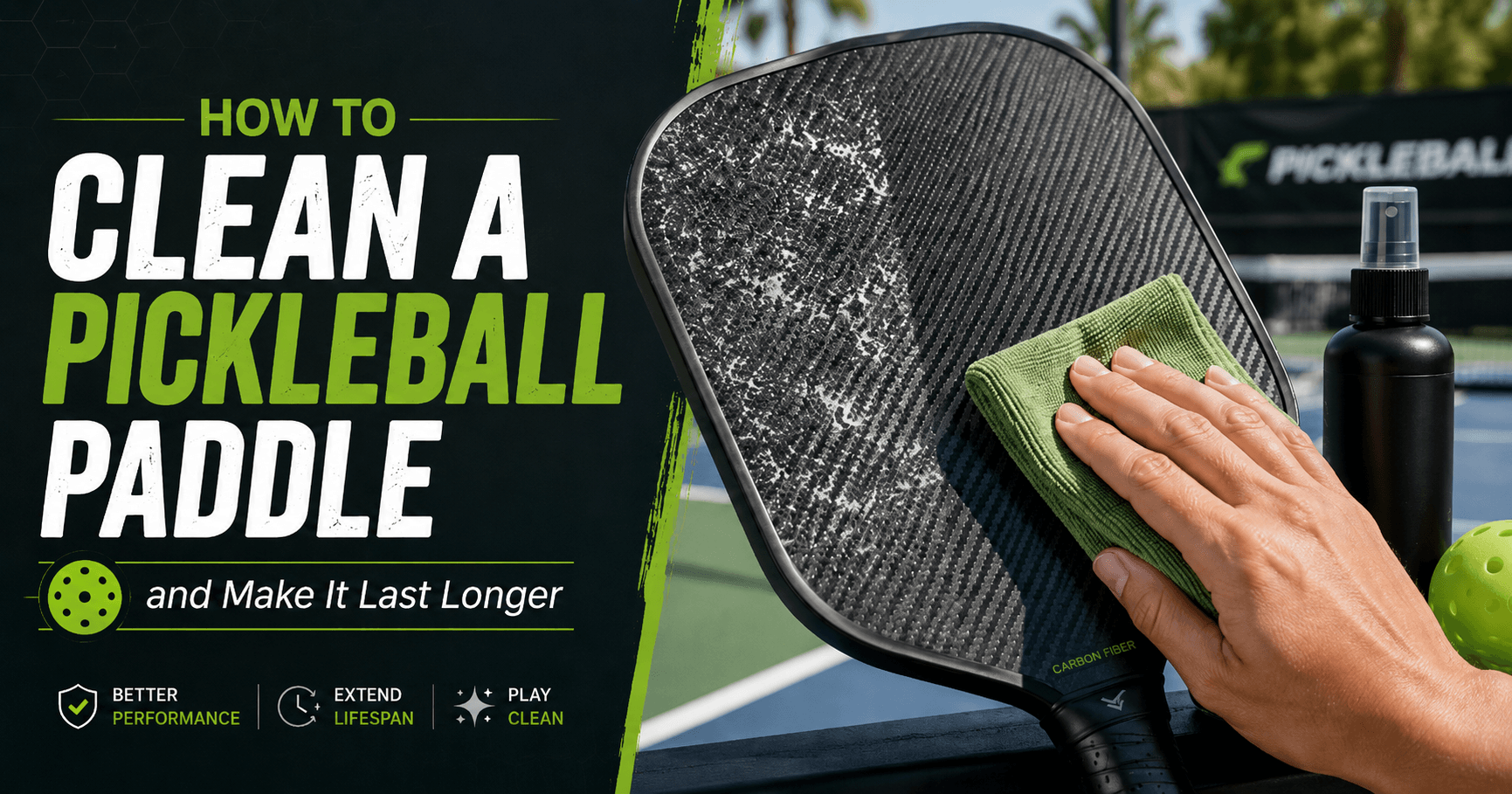
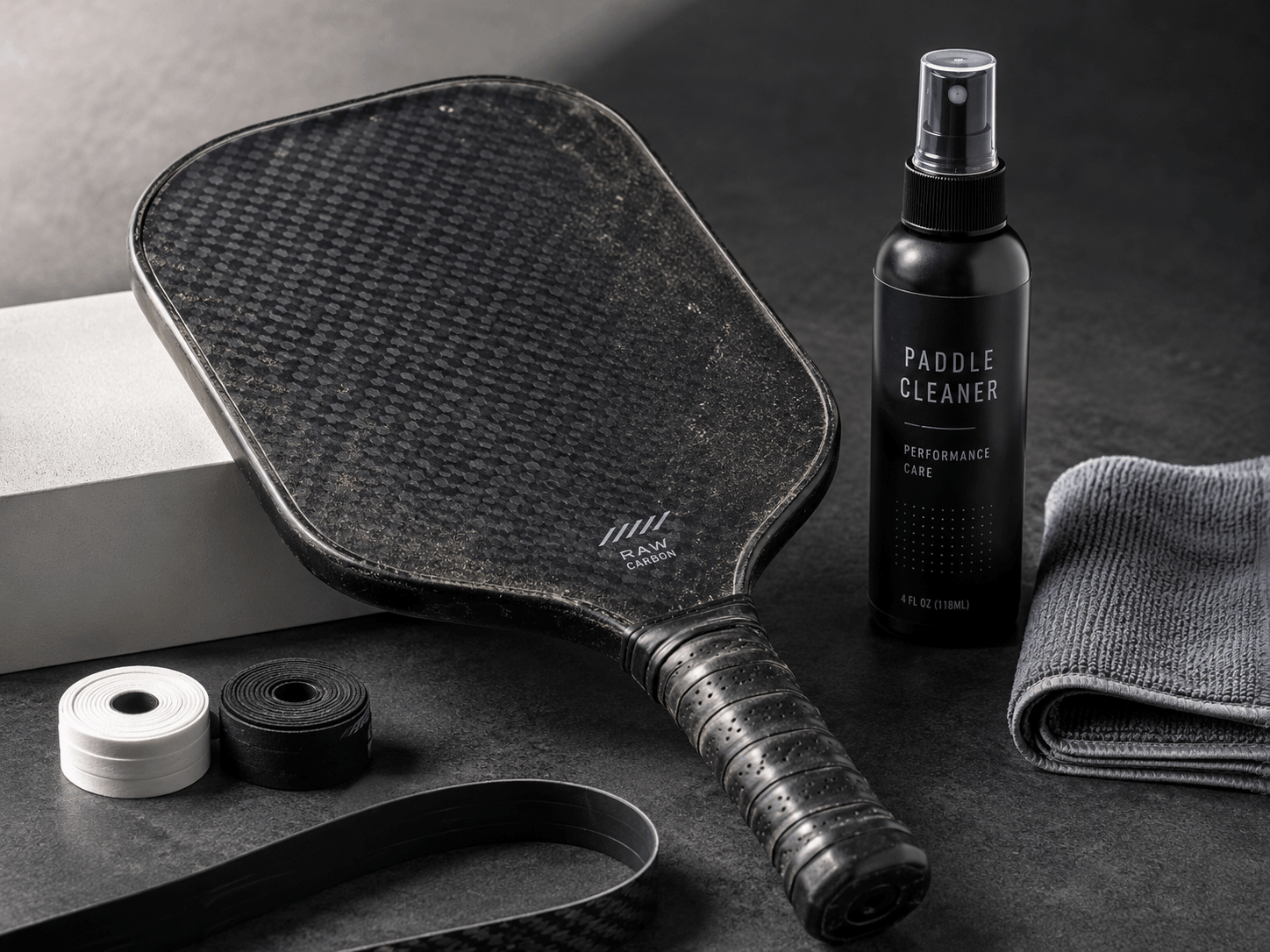
But look at it right now. Really look at it. It’s covered in white plastic dust, sweat residue, and whatever was on the court surface at your local park. That’s not a badge of honor. That’s performance degradation happening in real time. Learning how to clean pickleball paddle gear properly fixes that fast.
Learning how to clean pickleball paddle the right way is the first step in making it last longer. We see it every day at Spinwave Pickleball. Players bring in “dead” paddles complaining about lost spin and flat shots, only for us to realize the paddle isn’t dead at all. It’s just suffocating under a layer of grime that’s been building for months.
Let’s talk about pickleball paddle maintenance. We’re going to cover how to clean pickleball paddle gear properly, how to protect it from damage, and how to know when it’s actually time to retire it. No fluff. No filler. Just what works.
Quick Answer: Yes, knowing how to clean pickleball paddle surfaces can help restore spin by removing plastic dust, sweat, oils, and court grime from the paddle face.
Best Routine: Brush the face after every session, wipe it weekly, inspect your grip and edge guard tape, and stop leaving your paddle in the car.
Why Surface Maintenance Actually Matters
You might be wondering, does cleaning a paddle restore spin? The short answer is yes. The long answer is absolutely yes, and here’s why understanding how to clean pickleball paddle surfaces matters.
Modern paddle faces, especially raw carbon fiber, rely on microscopic surface texture to grip the ball. That friction is what helps generate topspin, slices, and shape on the ball. The texture works because it has tiny peaks and valleys across the surface.
Every time you strike a ball, tiny pieces of plastic dust come off the ball and settle into the face of the paddle. Add in sweat, hand oils, and court dirt, and you basically create a smooth, slippery layer over the texture.
That means you lose bite. Your drives start sailing long because you can’t put enough topspin on them. Your drops pop up because the ball isn’t gripping the face the same way. It’s a gradual decline, which is why most players don’t notice until it gets bad.
That’s why knowing how to clean pickleball paddle surfaces matters so much — it’s not just about looks. It’s about maintaining the friction and performance you paid for.
The Step-by-Step Guide: How to Clean Pickleball Paddle
Here’s the deal on how to clean pickleball paddle the right way: don’t overthink it, but don’t mess it up either. You need the right tools and the right technique. Using the wrong stuff can damage the surface texture and shorten the life of your paddle.
What You Need
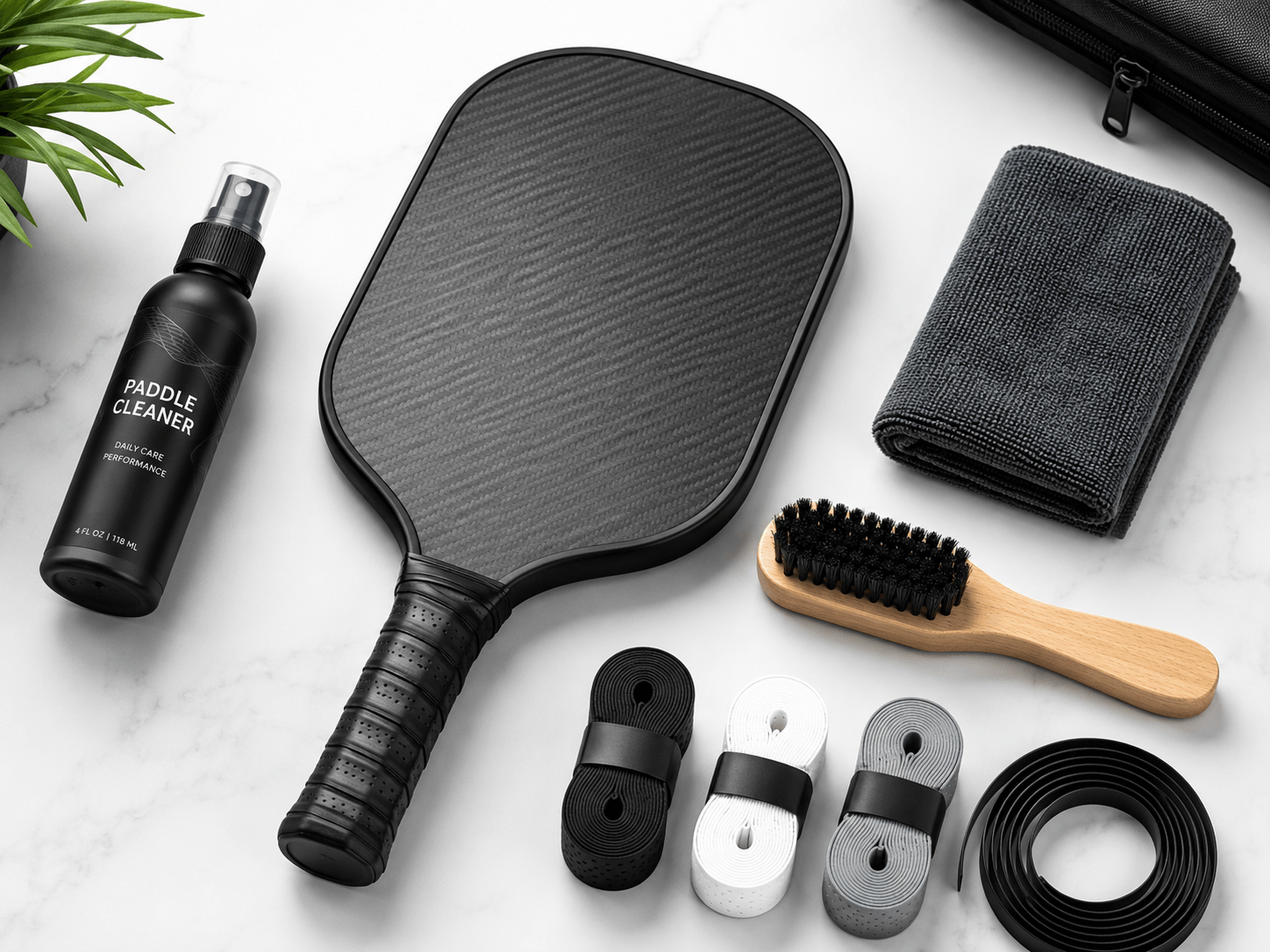
- A clean microfiber cloth
- A dedicated paddle cleaner like Modifi Spray & Play Paddle Cleaner
- A soft-bristled brush or carbon fiber cleaning block
- A dry towel for final wipe-down
Keep it simple. A microfiber cloth and the right cleaner will do most of the work. For raw carbon paddles, a paddle eraser or soft cleaning block can help lift white ball dust out of the surface texture.
What to Avoid
- Do not use abrasive sponges or scrub pads.
- Do not use steel wool, Brillo pads, or harsh brushes.
- Do not use bleach, ammonia, or heavy household degreasers.
- Do not soak or submerge your paddle in water.
- Do not spray liquid directly into the edge guard or exposed seams.
For the love of the game, do not submerge your paddle in water. The core inside your paddle is not meant to be waterlogged. If moisture gets through the edge guard or any small crack, it can damage the paddle from the inside out.
The Cleaning Process
Once you know how to clean pickleball paddle gear with the right tools, the actual process takes about two minutes.
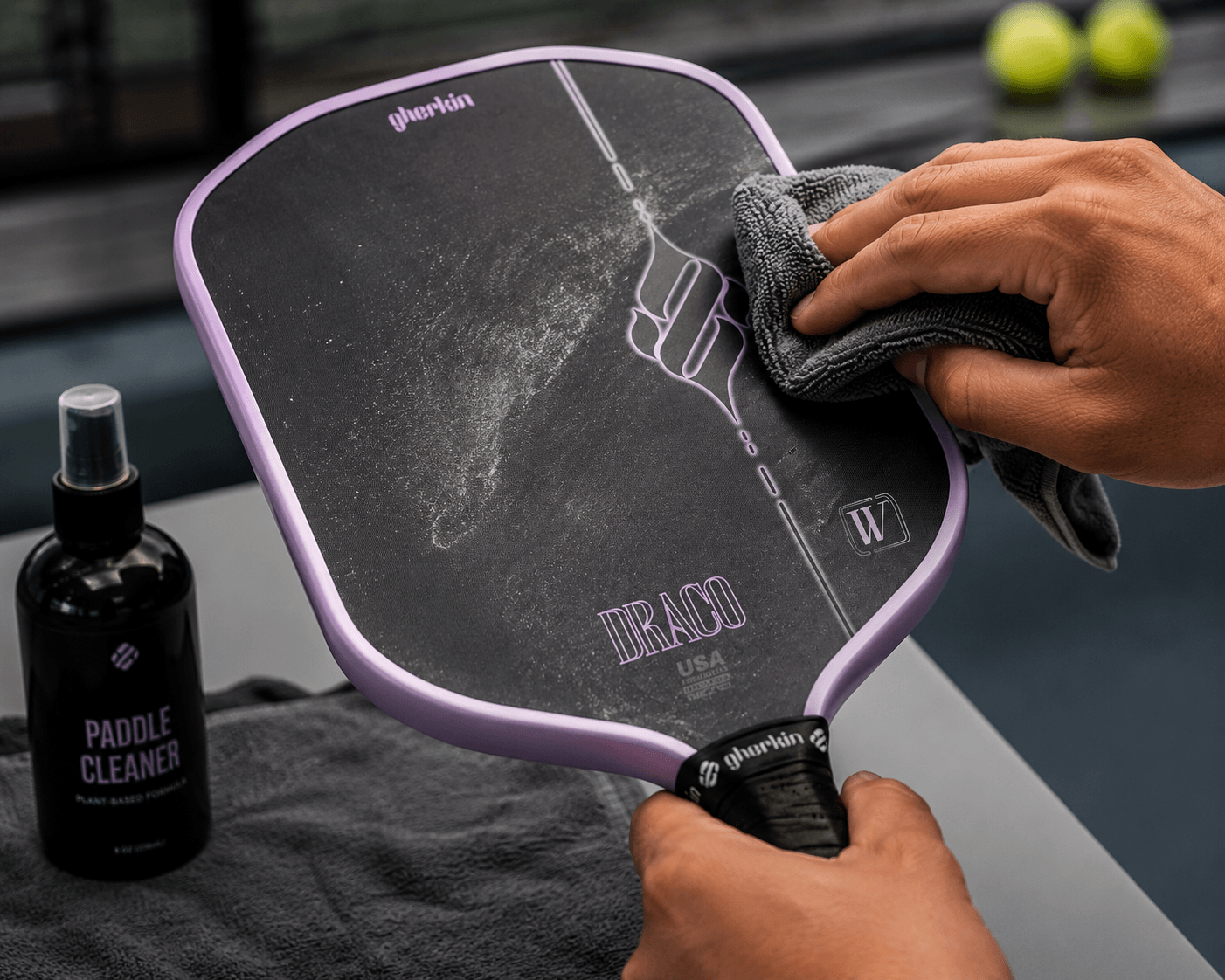
Step one: Take your soft brush or paddle eraser and gently rub it across the face of the paddle. Use long, even strokes from top to bottom. You should see white ball dust start to lift off the surface.
Step two: Lightly spray your microfiber cloth with paddle cleaner. Do not oversaturate it. Wipe down the paddle face, throat, and edge guard. This removes sweat oils and sticky residue that brushing alone may not remove.
Step three: Flip the cloth to a dry section and give the paddle one final wipe to remove leftover moisture. Let it air dry for a minute before putting it back in your bag.
That’s it. It takes two minutes. Do it consistently and your paddle will feel better for longer.
Overgrip Inspection: Don’t Be Gross
Let’s talk about your handle. The factory grip that came with your paddle is fine as a base layer, but most players should be using an overgrip on top of it. If you aren’t, start today. If you are, you probably aren’t changing it often enough.
An overgrip absorbs sweat, provides tackiness, and gives you a secure connection to the paddle. But it has a lifespan.
A serious player who plays three to four times a week should be changing their overgrip every one to two weeks. Casual players can usually stretch it to three to four weeks.
When your grip gets slick, discolored, or starts peeling at the edges, it’s done. Playing with a worn-out overgrip forces you to squeeze the handle tighter to maintain control. That death grip can lead to elbow pain, wrist strain, and worse paddle control at the net.
Inspect your grip every week. Give it the thumb test — press your thumb into it and twist. If it slides, peel it off and wrap a fresh one.
A new overgrip costs a few bucks and can completely refresh the feel of your paddle. It’s one of the cheapest performance upgrades in pickleball.
Need a restock? Check out our pickleball overgrip collection or read The Overgrip Bible for a full breakdown.
Edge Guard Tape: Your Paddle’s First Line of Defense
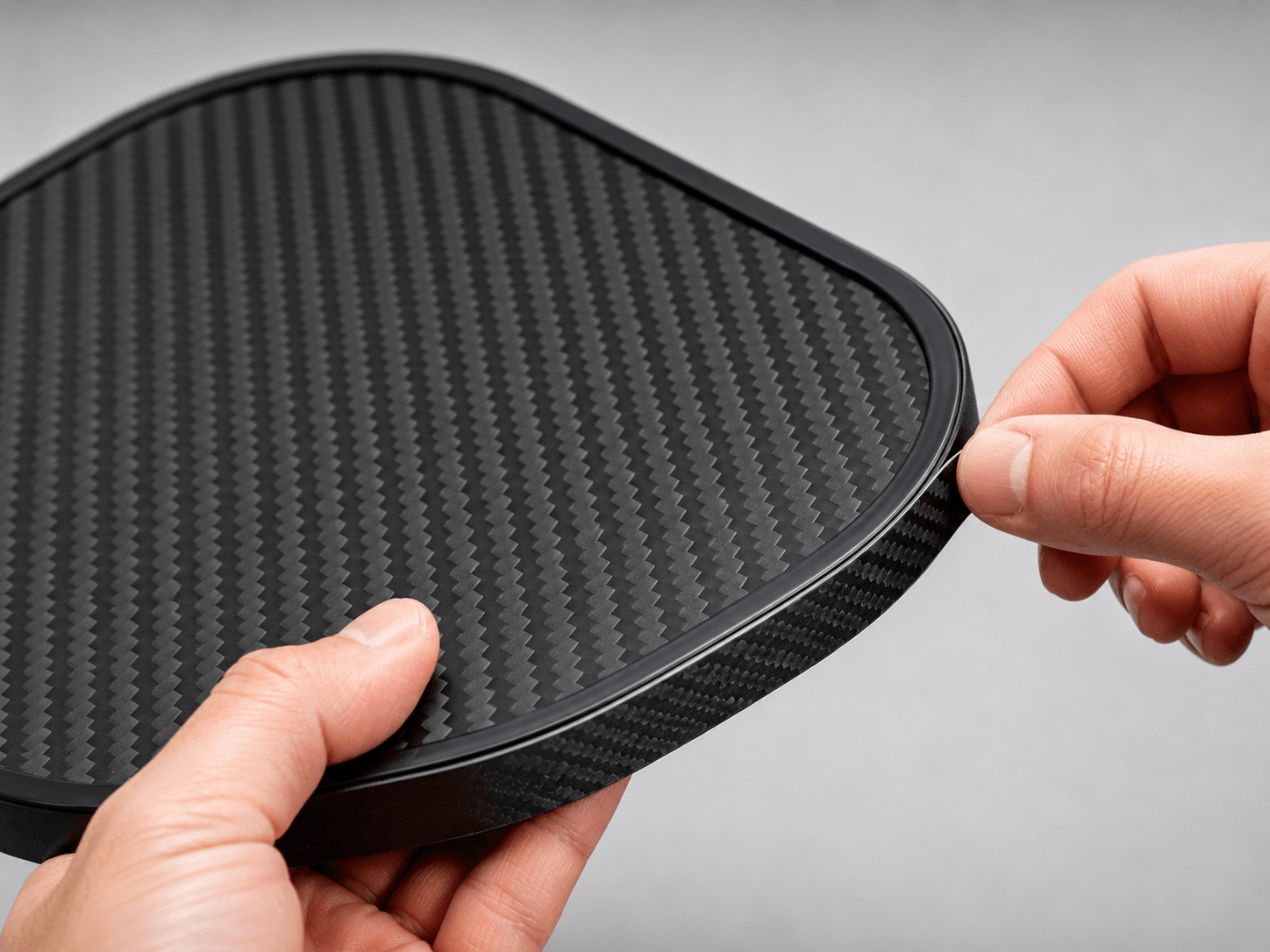
The edge guard is the plastic or composite bumper around the perimeter of your paddle. It protects the core from impacts when you scrape the court going for low dinks or accidentally clip the ground on a backhand volley.
But once that edge guard cracks, chips, or starts separating from the paddle face, the structural integrity of your paddle can be compromised. Moisture can get in. The face can start to separate. The core can become exposed.
This is where edge guard tape comes in. It’s cheap insurance.
A layer of protective tape wraps over the edge guard, absorbing scrapes and scuffs so the actual guard doesn’t take the hit. But you have to inspect it regularly.
Look for deep gouges, peeling corners, or sections where the tape has been completely worn through. If the tape is shredded or lifting, peel it off completely. Clean the edge guard underneath with a little cleaner or alcohol on a cloth. Let it dry. Then apply a fresh strip, pressing firmly to remove air bubbles.
This takes five minutes and can extend the life of your paddle by months.
Grab fresh pickleball edge guard tape and keep a spare roll in your bag. For more detail, read our edge guard tape guide.
Storage Best Practices: Stop Leaving It in Your Car
We need to have an intervention about where you keep your paddle between sessions.
Your car trunk is not a paddle bag. It is an oven in the summer and a freezer in the winter. Both extremes can damage your paddle.
Heat Damage
When temperatures climb inside a parked car, the adhesives holding the face to the core can soften. This can lead to delamination, where the paddle face begins to separate from the core.
Once that happens, your paddle may sound different, feel inconsistent, and lose performance.
Cold Damage
Extreme cold can make paddle materials more brittle. A brittle core or face can become more vulnerable to cracking, crushing, or developing dead spots on hard impacts.
Humidity
Storing your paddle in a damp garage or basement invites moisture problems. Use a paddle bag or cover, and if you live somewhere humid, keep a silica gel packet in your bag.
The rule is simple: keep your paddle at room temperature. Bring your bag inside the house. Treat your paddle like performance equipment, not something you toss in the trunk and forget about.
Signs Your Paddle Is Actually Dead
Sometimes knowing how to clean pickleball paddle gear isn’t enough. Paddles don’t last forever, even with perfect maintenance. Materials fatigue over thousands of impacts. So how do you know when it’s time to move on?
The Grit Test
Run your fingertips across the sweet spot where you hit most of your shots. Then run them across the very top edge of the paddle where you rarely make contact.
If the sweet spot feels significantly smoother than the unused area, the grit may be worn down. Cleaning can remove dirt, but it cannot bring back texture that has physically worn away.
The Sound Test
Tap the face of the paddle with your knuckles in different spots. It should sound solid and consistent across the face.
If you hear a hollow, rattling, or mushy sound in certain areas, the core may be crushed or the face may be separating.
The Power Test
If you’re swinging hard and the ball is going nowhere, the core may have lost its energy return. The paddle may feel flat, soft, or inconsistent compared to when it was new.
When these signs show up, it may be time to upgrade. A dead paddle can actively hurt your game.
The Spinwave Maintenance Schedule
Keep this simple how to clean pickleball paddle schedule in your head and your paddle will thank you.
| After Every Session | Brush the paddle face. Wipe sweat from the handle and throat area. |
| Weekly | Full wipe-down with cleaner and microfiber cloth. Inspect overgrip and edge guard tape. |
| Monthly | Check for dead spots, edge separation, worn tape, and slick grips. |
| Seasonally | Evaluate overall grit, pop, feel, and whether it may be time to upgrade. |
How Long Should a Pickleball Paddle Last?
It depends on how often you play, how hard you hit, and how well you maintain your gear.
If you play three to four times a week and want peak performance, you may notice meaningful wear after six to eight months. Casual players who play once or twice a week can often get a year or more out of a quality paddle.
The goal is not to make a paddle last forever. The goal is to keep it performing properly for as long as possible — and knowing how to clean pickleball paddle gear correctly is the single biggest factor in stretching that lifespan.
Related Spinwave Links
Want to keep your paddle dialed in? These Spinwave links can help:
- Shop paddle cleaner & accessories
- Shop pickleball overgrips
- Shop edge guard tape
- Shop pickleball paddles
- Read The Overgrip Bible
- Read the edge guard tape guide
- Get a free paddle recommendation
Ready for a Tune-Up or an Upgrade?
Knowing how to clean pickleball paddle gear is half the battle. The other half is having the right gear to begin with.
Whether you need to refresh your current setup with new grips and tape, master how to clean pickleball paddle gear like a pro, or build a custom paddle from the ground up, Spinwave has you covered.
Stop by Spinwave Pickleball in Great Neck or visit us inside Long Beach Tennis Center. We’ll check out your paddle, tell you straight up if it’s dead or if it just needs some love, and help you dial in your setup.
Not local? No problem — we ship everything.
Keep Your Paddle Running Hot
Clean your paddle, protect the edge guard, keep your grip fresh, and store it the right way. Small maintenance habits can make a big difference in how your paddle performs.
Stock up on overgrips, edge guard tape, and paddle cleaner to keep your current paddle performing the way it should.
SELKIRK Protective Edge Guard Tape 20mm White
$7.99
The new Selkirk Protective Edge Guard Tape helps keep the edges of your paddle safe from scrapes and dings. This additional layer of protection will extend the life of your paddle. … read more

Spinwave Pickleball Soft & Tacky Overgrip 4 Pack
$9.95
Spinwave Pickleball Premium Overgrip 4-Pack Extra Soft. Extra Tacky. Extra Confidence. Unparalleled Comfort: These overgrips are designed with an extra-soft feel, giving you a luxurious grip that reduces hand fatigue during long matches. Superior Tackiness: Stay in control even in… read more

Your paddle works hard for you. Return the favor.
FAQs
Does cleaning a pickleball paddle really restore spin?
Yes, cleaning your paddle can help restore spin by removing plastic ball dust, sweat, oils, and court grime from the paddle face. Raw carbon fiber paddles rely on surface texture to grip the ball, so when that texture gets clogged, you lose bite and spin.
How often should I clean my pickleball paddle?
Brush the paddle face after every session and do a deeper wipe-down with paddle cleaner and a microfiber cloth once a week. If you play several times per week, you may need to clean it more often.
Can I use water to clean my pickleball paddle?
You can use a lightly damp microfiber cloth, but you should never soak or submerge your paddle in water. Too much moisture can get into the seams, edge guard, or core and damage the paddle from the inside.
What should I avoid using on my paddle?
Avoid abrasive sponges, steel wool, harsh brushes, bleach, ammonia, heavy household cleaners, and anything that can scrape or break down the paddle surface. Use a paddle-safe cleaner, microfiber cloth, and soft brush or cleaning block instead.
How do I know if my paddle is dirty or actually dead?
If your paddle has lost spin but still feels solid, it may just need cleaning. If the sweet spot feels much smoother than the unused areas, the paddle sounds hollow or inconsistent, or the ball feels flat off the face, the paddle may be worn out or damaged.
How often should I change my pickleball overgrip?
Serious players who play three to four times per week should usually change their overgrip every one to two weeks. Casual players can often stretch it to three to four weeks. If it feels slick, looks dirty, or starts peeling, it is time to replace it.
Does edge guard tape help a paddle last longer?
Yes. Edge guard tape helps protect the paddle’s perimeter from court scrapes, chips, and impact damage. It is one of the easiest ways to extend the life of your paddle, especially if you play aggressively at the kitchen line or dig out low balls.
Is it bad to leave a pickleball paddle in the car?
Yes. Heat, cold, and humidity can all damage a paddle. A hot car can soften adhesives and contribute to delamination, while extreme cold can make materials more brittle. Store your paddle indoors at room temperature whenever possible.
How long should a pickleball paddle last?
It depends on how often you play and how well you maintain it. Players who play three to four times per week may notice meaningful wear after six to eight months. Casual players may get a year or more out of a quality paddle.
Can Spinwave help me check if my paddle is still good?
Yes. Bring your paddle to Spinwave Pickleball in Great Neck or visit the Spinwave pro shop inside Long Beach Tennis Center. We can help check whether your paddle is actually dead or just needs cleaning, fresh overgrip, edge guard tape, or a small tune-up.
Does cleaning a paddle actually restore spin?
Yes — if the texture isn't physically worn away. Modern raw carbon paddle faces rely on microscopic grit to grip the ball. Plastic ball dust, sweat, and oils fill in those tiny peaks and valleys, killing friction. Cleaning lifts that layer off and brings the bite back. If the grit has actually worn smooth from impacts, no cleaning will save it — that's a sign the paddle is reaching the end of its life.
How often should I clean my pickleball paddle?
Brush the face after every session — 30 seconds, takes nothing. Do a full wipe-down with cleaner and microfiber cloth weekly. Monthly, do a deeper inspection of the overgrip, edge guard tape, and core for dead spots or separation. Consistent small habits beat occasional deep cleans when you're figuring out how to clean pickleball paddle gear for the long haul.
How long should a pickleball paddle last?
For players hitting the courts 3-4 times a week at peak performance, expect meaningful wear at 6-8 months. Casual players (1-2 times per week) can often get a year or more out of a quality paddle. Maintenance extends that — neglected paddles wear out twice as fast.
Can I leave my pickleball paddle in the car?
No. Hot car interiors can hit 130-150°F in summer, which softens the adhesives holding the face to the core and causes delamination. Cold makes the paddle materials brittle and crack-prone. Always bring your paddle inside between sessions — treat it like the performance equipment it is.
How do I know if my pickleball paddle is dead?
Three tests: (1) The grit test — sweet spot feels noticeably smoother than the unused top edge. (2) The sound test — knuckle tap produces hollow, rattling, or mushy spots instead of a consistent solid sound. (3) The power test — hard swings produce flat, dead-feeling shots with no energy return. If two or more fail, it's time to upgrade.